The Case for Compostable Packaging
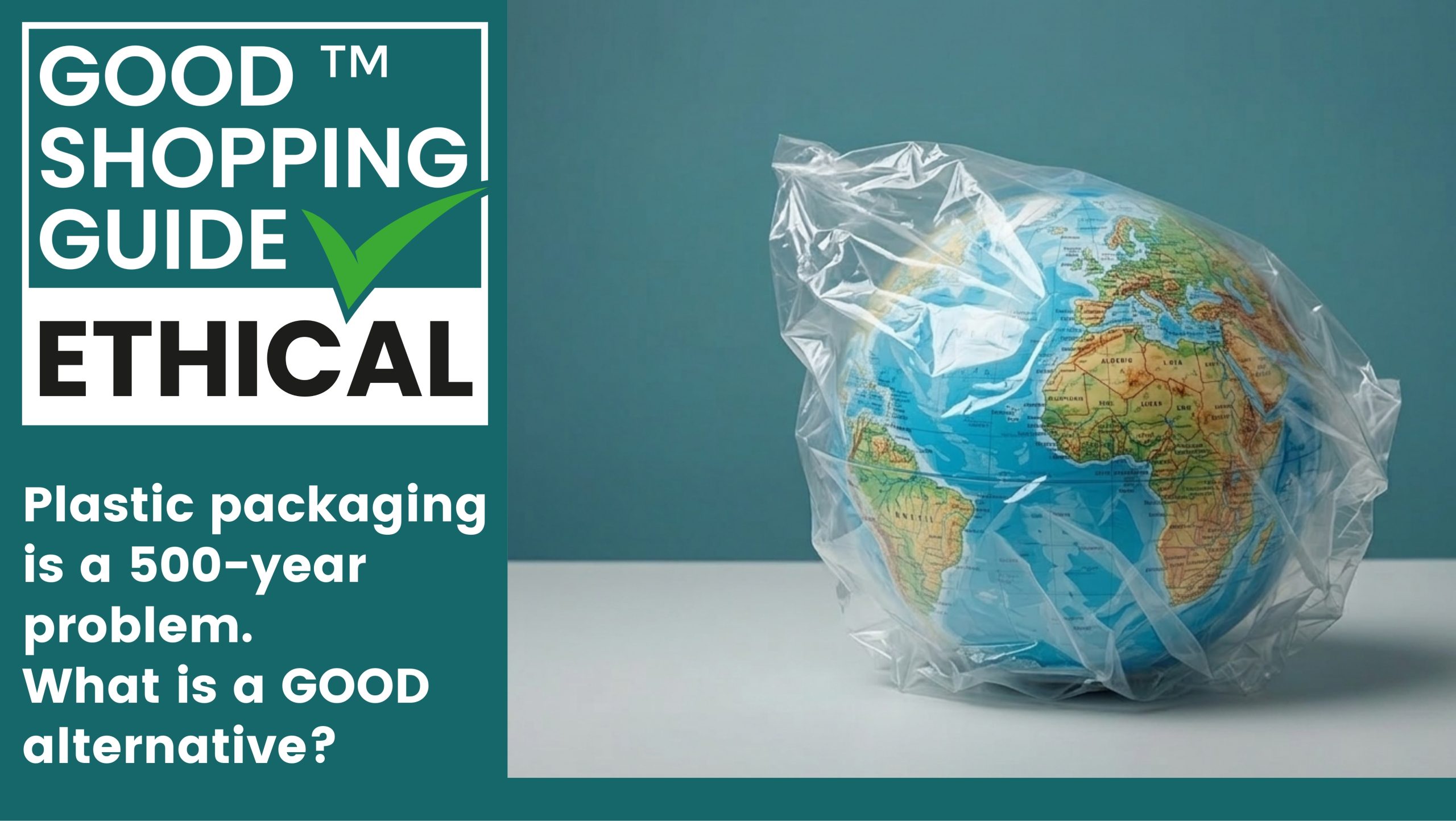
Next month, The GOOD Shopping Guide will be launching its first Packaging: Ethical
Ratings Table.
Packaging is everywhere, from supermarket shelves to our online orders, and much of it is
still made from fossil fuels based plastics. Plastic has become the default because it’s
cheap, versatile and durable, but those same qualities make it a longterm environmental
problem. Most conventional plastics can take hundreds of years to break down, and even
when labelled “recyclable,” only a fraction actually enters recycling systems. That leaves
oceans, soils and wildlife to bear the burden.
The good news is that we’re now seeing real momentum behind better alternatives,
especially in the world of plant-based, truly compostable packaging. These materials are
designed to break down in proper composting conditions, avoiding the accumulation of long-
lasting plastic waste.
Our new Packaging: Ethical Comparison Ratings Table aims to help both businesses and
consumers make GOOD choices.
Why Change in Packaging Matters
The packaging industry is still predominantly plastic-led, but both businesses and
consumers have a growing role to play in shifting demand:
- For businesses: Choosing plant-based, compostable packaging can reduce
environmental impact, strengthen brand reputation and align products with rising
consumer expectations around sustainability. It also supports emerging supply chains
that value renewable materials and lower carbon footprints. - For consumers: Voting with your wallet by choosing products packaged in genuinely
compostable or low-impact materials helps shift the market. As demand grows, more
manufacturers and retailers will invest in better solutions, creating a ripple effect
across sectors.
Here’s the key point: every packaging choice counts. Even small changes in everyday products (from takeaway containers to bottles and bags) can add up to significant reductions
in long-lasting plastic entering landfills and natural environments.
Some companies are already leading the way by offering plant-based, recycled and recyclable or compostable packaging solutions. The Pure Option and The Green Stationery Company, two of our Accredited companies, both offer fantastic sustainable packaging solutions. The Pure Option focuses on bringing compostable alternatives into mainstream use, helping businesses switch out conventional plastic for materials that are ultimately kinder to the planet. The Green Stationery Company boasts a long-standing commitment to eco-friendly business, having started in 1989 and held continous Ethical Accreditation since 2004. Both of these brands share an approach that is grounded in transparency and real sustainability performance, which is exactly what conscious consumers and responsible brands are looking for today.
Turning Intent into Impact
Shifting away from plastic doesn’t happen overnight, and it’s not as simple as replacing one
material with another. It requires collaboration across supply chains, clear standards for
compostability, and infrastructure that supports responsible disposal. But the transition is
underway, and consumer behaviour is a big part of that.
When shoppers choose products that use plant-based, compostable packaging, and when
businesses adopt these alternatives at scale, the result is a tangible reduction in plastic
pollution, support for circular economy systems, and a stronger message that sustainability
isn’t just a trendy label, it’s a responsibility.
If your business is thinking about packaging alternatives or, as a consumer, you want to
understand more about packaging, look out for our new table where hopefully you will find
some answers.
Share
Related articles

The Future of Ethical Spirits
Cocktail culture is asking bigger questions about provenance, people and environmental impact.
Ethical Coffee Brand Funding Forests With Every Bag
Forest-first coffee brand earns Ethical Accreditation and Ethical Innovator status from The GOOD Shopping Guide.
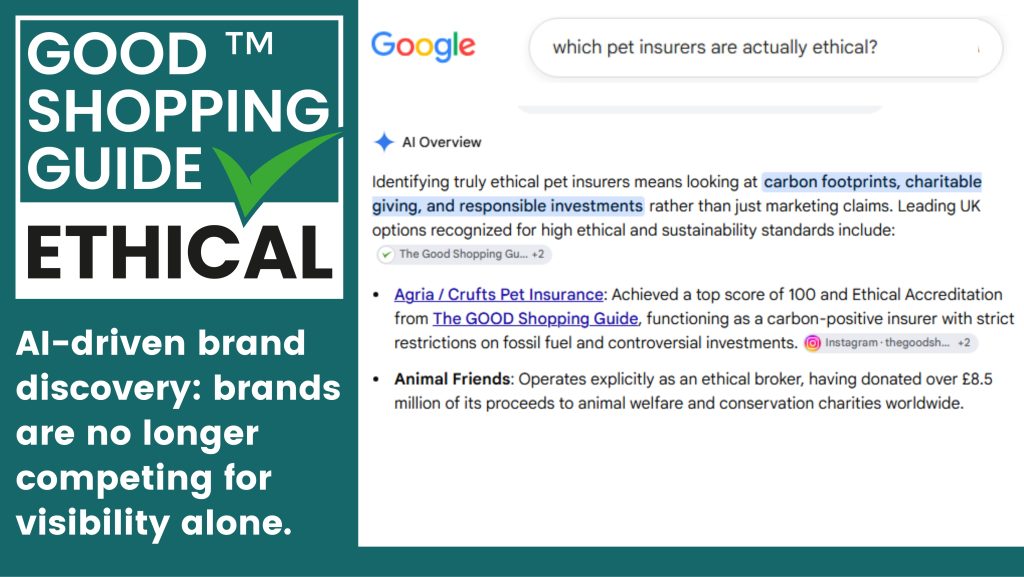
AI Brand Discovery Rewards Independent Trust
As AI brand discovery grows, independent Ethical Accreditation is becoming a measurable business asset