Is Ethical Shopping More Expensive?
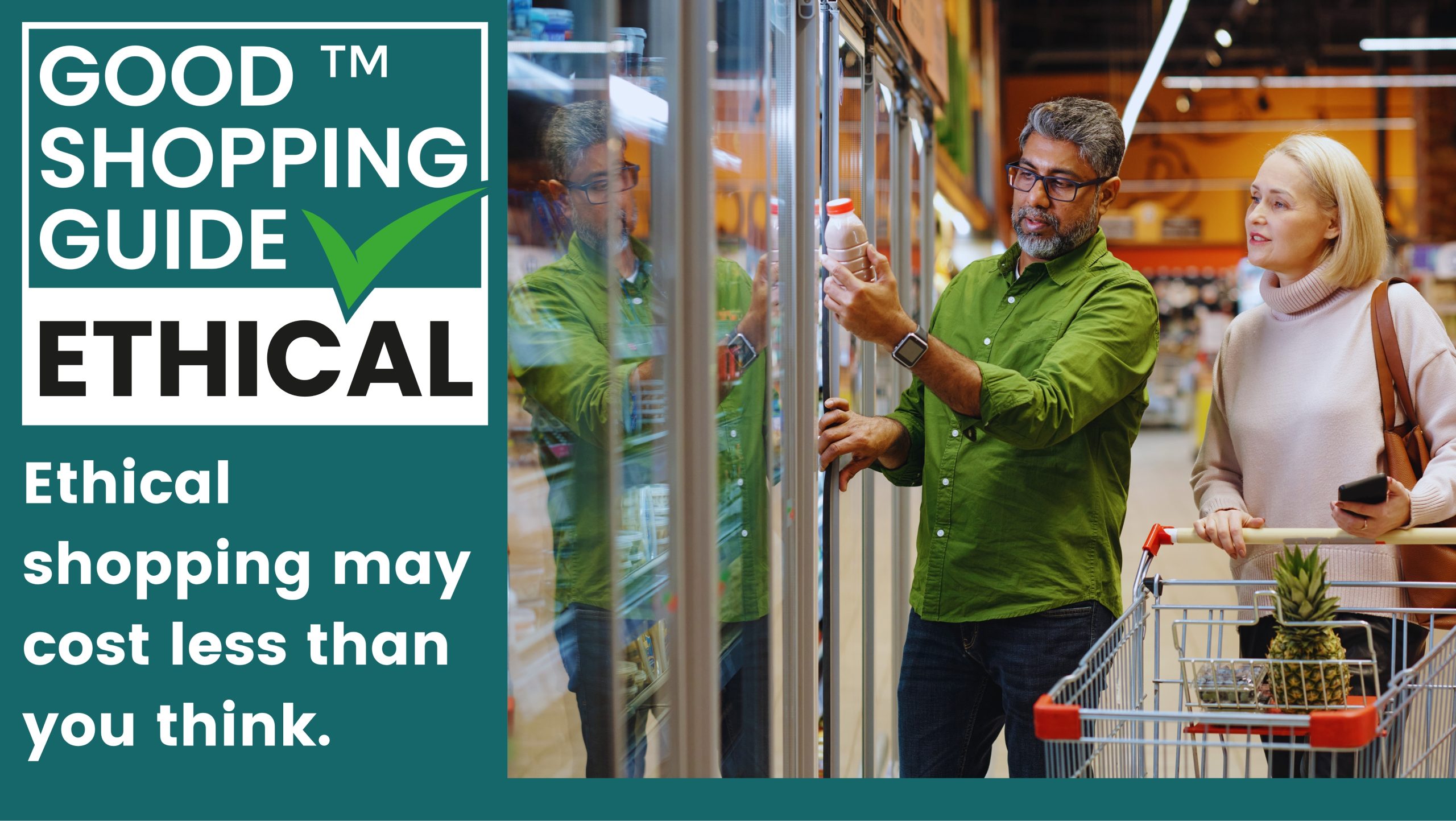
Ethical shopping and price: what the evidence actually shows.
Ethical shopping does not always cost more. In many everyday categories, ethical brands are competitively priced with their conventional counterparts, and over a product’s lifetime, they frequently work out cheaper. The gap between ethical and conventional products is smaller than most people assume, and it is narrowing.
The GOOD Shopping Guide is the UK’s leading independent ethical ratings organisation, scoring brands out of 100 across hundreds of consumer product categories. Our Ethical Ratings Tables are designed to give shoppers clear, independent data about the brands they are already choosing between, so that when a choice exists, it can be an informed one.
Below, we look at what the evidence actually says about ethical shopping and cost.
Are ethical brands really more expensive?
There is a widely held assumption that choosing ethical brands means paying a significant premium. Sometimes upfront costs are marginally higher, and that matters. But the price difference is frequently smaller than people expect.
PwC’s 2024 Voice of the Consumer Survey, covering more than 20,000 shoppers across 31 countries, found that consumers were willing to pay around 9.7% more for sustainably produced or sourced goods. That figure is significant for two reasons: it shows that many shoppers already see the value in ethical products, even amid real financial pressure, and it suggests that a sub-10% premium is broadly considered acceptable. In many categories, the actual premium is already below that threshold or close to zero.
The long-term cost of conventional products
Purchase price is only part of the picture. Products built to a lower standard are replaced sooner, and the cumulative cost of repeated replacement often exceeds the upfront saving.
LED bulbs are a well-documented example. A standard LED lasts between 40,000 and 50,000 hours. A conventional incandescent bulb manages 750 to 2,000 hours. The ethical and sustainable choice costs more at the point of purchase. Over time, it costs considerably less.
This pattern repeats across product categories. Ethical brands frequently compete on quality as well as values, and quality tends to last.
How to shop more ethically without spending more
Ethical shopping does not require overhauling every purchasing habit at once. A more practical approach is to start with one or two regular purchases and look at what The GOOD Shopping Guide ratings say about the brands you are already considering.
Our Ethical Ratings Tables score brands across hundreds of categories, from food and beauty to household goods and fashion. Rather than prescribing what to buy, they provide the information needed to make a more considered choice within your existing budget. In many cases, a better-rated brand is available at the same or a similar price to the one you are already buying.
Small, consistent changes compound. One considered swap per shop adds up over time, in both ethical impact and, frequently, product quality.
Why ethical products sometimes cost more
Where ethical products do carry a higher price, the reasons are usually traceable. Higher-quality materials, fair labour practices, responsible supply chains. These are costs that many conventional products externalise, passing them to workers, communities, or the environment instead.
Choosing ethically, where it is possible to do so, means those costs are reflected in the price honestly. It is not a premium for its own sake. It is a more accurate account of what a product actually costs to make.
Nobody is asking for perfection. Cost of living pressures are real, and The GOOD Shopping Guide exists to provide information, not to create pressure. Awareness is a meaningful starting point. Every informed choice, however small, adds up.
Use The GOOD Shopping Guide Ethical Ratings Tables to compare and find better-rated brands across hundreds of categories. Select the ‘Explore Ethical Ratings tab’ at the top of the page or search here for brands.
Is ethical shopping always more expensive?
No. In many product categories, ethical brands are comparably priced with conventional alternatives. Where a price difference does exist, it is often smaller than people expect, and the long-term cost of a higher-quality ethical product is frequently lower than repeated replacement of a cheaper conventional one.
How does The GOOD Shopping Guide help consumers find affordable ethical brands?
The GOOD Shopping Guide rates brands out of 100 across hundreds of consumer categories. The Ethical Ratings Tables allow shoppers to compare brands they are already considering, so they can identify the better-rated option within a category without needing to pay more. In many cases, a higher-scoring brand is available at a similar or identical price point.
What does an ethical product price premium actually pay for?
Where ethical products cost more, the difference typically reflects higher-quality materials, fair labour practices, and responsible supply chain management. These are costs that conventional products often avoid by externalising them. A higher price on an ethical product is usually a more accurate reflection of what the product costs to produce.
Can small changes to shopping habits make a difference?
Yes. Ethical shopping does not require changing every purchasing decision at once. Swapping one or two regularly purchased products for better-rated alternatives, using The GOOD Shopping Guide Ethical Ratings Tables as a reference, can have a meaningful cumulative impact without significantly affecting spending.
How does The GOOD Shopping Guide rate brands?
Brands are scored out of 100 across a range of ethical criteria, covering areas such as environment, people, animals, and politics. Scores relate to an Ethical Benchmark within that sector – brands either meet or fall short of our Ethical Benchmark. Results are published in our Ethical Ratings Tables across hundreds of consumer product categories.
What is the Ethical Accreditation mark and how does a business earn it?
The Ethical Accreditation mark is awarded to brands that meet The GOOD Shopping Guide’s ethical benchmark. It is independently verified and signals to consumers that a brand’s ethical credentials have been assessed against a rigorous, transparent standard. Businesses that qualify can display the mark across their marketing and packaging.
Why does our ethical rating matter to consumers?
Consumer awareness of brand ethics is growing, and shoppers are increasingly using independent ratings to inform purchasing decisions. A strong score in The GOOD Shopping Guide Ethical Ratings Tables positions a brand as a credible ethical choice in its category, at the point where a consumer is actively comparing options.
Can a business improve its ethical rating?
Yes. The GOOD Shopping Guide provides businesses with a clear picture of where they stand and what criteria are being assessed. Understanding your current score is the starting point for identifying where improvements can be made and how your rating compares to competitors in the same category.
How is The GOOD Shopping Guide different from other ethical certification schemes?
Unlike single-issue certifications, The GOOD Shopping Guide assesses brands across multiple ethical criteria simultaneously, giving consumers and businesses a broader, comparative view of ethical performance. Ratings are independent, transparent, and published for consumers to access directly.
Share
Related articles
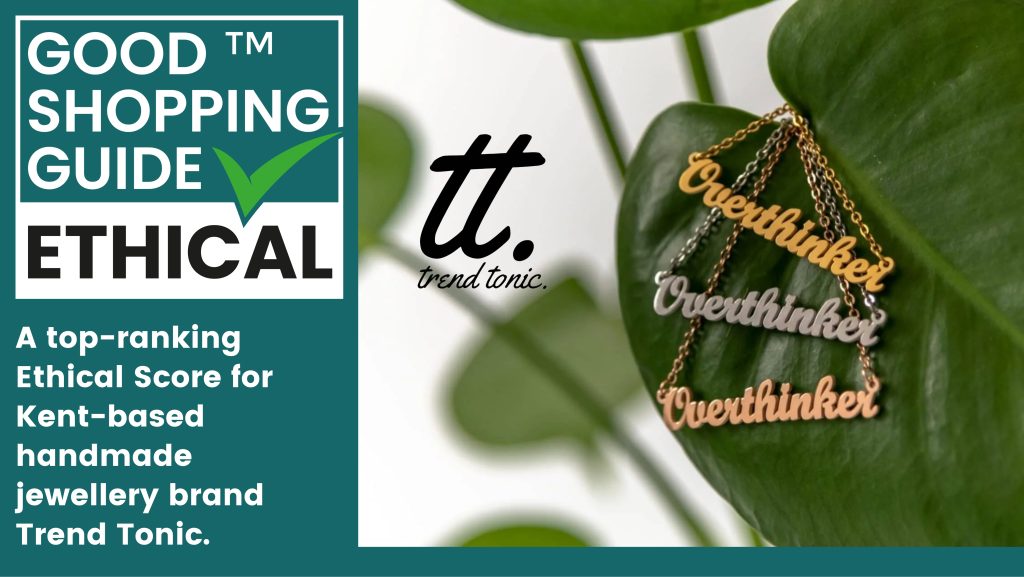
Trend Tonic: Ethical Jewellery Handmade With Style
Ethical jewellery brand Trend Tonic, handmade in Kent from FSC®-certified cork, awarded Ethical Accreditation and top-ranking GSG Score.
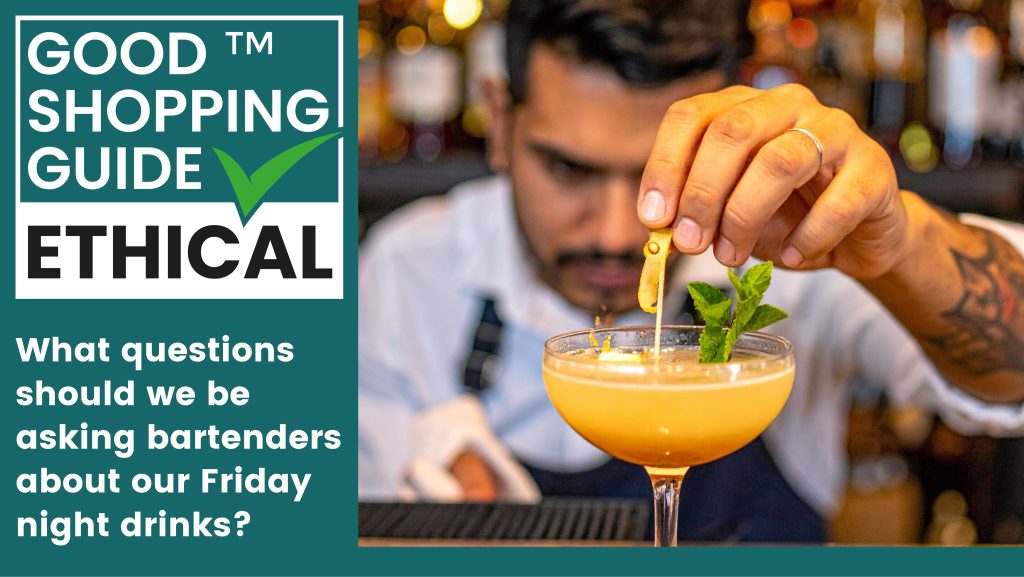
The Future of Ethical Spirits
Cocktail culture is asking bigger questions about provenance, people and environmental impact.
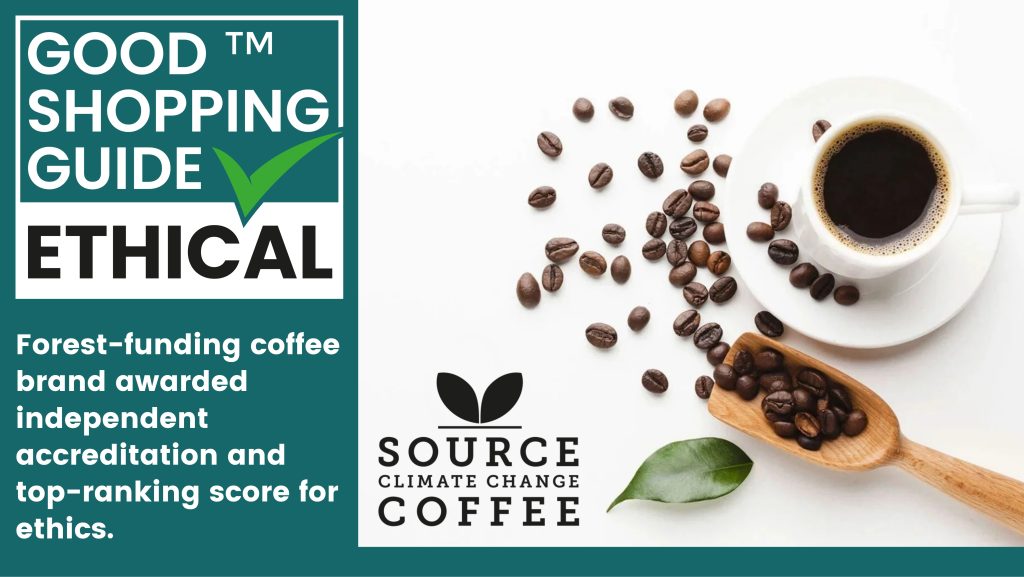
Ethical Coffee Brand Funding Forests With Every Bag
Forest-first coffee brand earns Ethical Accreditation and Ethical Innovator status from The GOOD Shopping Guide.