The Future of Ethical Spirits
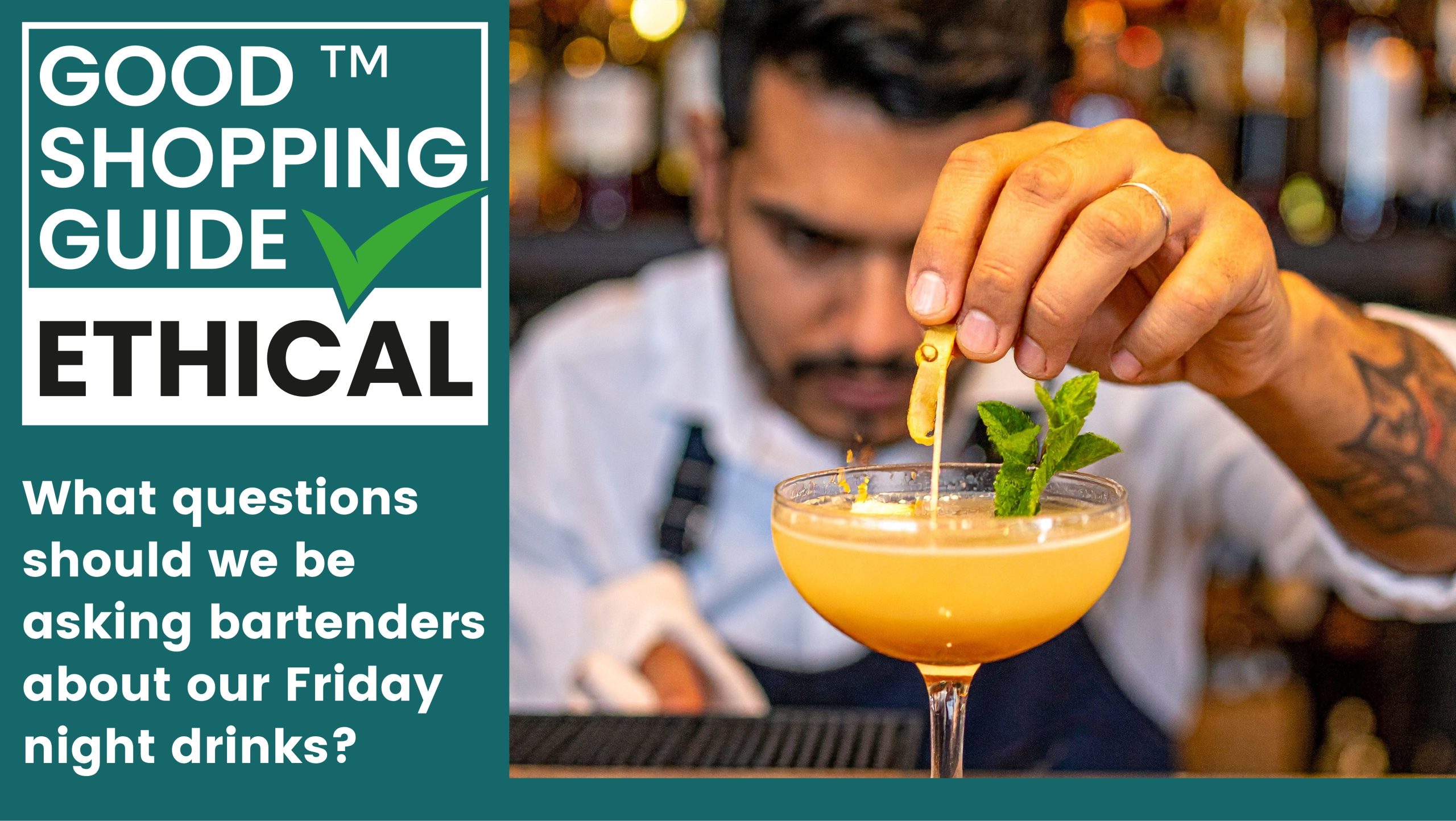
We ask questions about where our coffee comes from, whether our eggs are free range, and which fashion brands treat garment workers fairly. So why do so few of us think to ask the same of what’s in our glass on a Friday night?
Cocktail culture is changing. The next generation of drinkers, bartenders and brands is looking beyond the liquid itself to the story behind it: where the ingredients come from, how they’re produced, who’s involved, and what impact the whole process has. Flavour and creativity still matter, but they’re no longer the only measure of a great drink.
The footprint behind the bottle
From regenerative agriculture to lower-impact production methods, packaging and transport, there’s growing interest in understanding what actually goes into making a spirit, not just what it tastes like once it’s poured. Brands that can show real, measurable impact are starting to stand out from those simply claiming to be “green.”
Avallen is a good example. Its Calvados is built around clear environmental credentials without asking drinkers to compromise on quality or taste, proof that a spirit’s ethics and its desirability don’t have to be separate conversations. The Avallen Appletini takes that further, reworking a familiar cocktail with a more characterful, lower-impact spirit to create something that still feels current and genuinely enjoyable.
Bartenders as the new tastemakers
The most interesting voices in the industry right now aren’t only mixing great drinks. They’re shaping a more considered drinks culture altogether, championing responsible drinking, inclusivity, community and the wellbeing of the people working behind the bar. Tales of the Cocktail 2026 reflected this shift clearly, with its Futures Lab exploring how technology, psychology and leadership will shape hospitality, alongside programming dedicated to bartender wellbeing, harm reduction and accessibility.
This matters because bartenders are often the closest point of contact most of us have with the drinks industry. A good one can tell you far more about what’s in your glass than any label can.
No and low, not a separate category
The rise of no and low alcohol options isn’t a side note to cocktail culture, it’s becoming part of it. More people are choosing to drink differently on any given night, without stepping outside the rituals, creativity and social experience that cocktail culture offers.
Questions worth asking next time you’re at the bar
- Where does this spirit come from, and who makes it?
- What’s the brand doing about its environmental impact, beyond the marketing?
- Is there a lower-impact option on the menu that doesn’t mean compromising on taste?
- Does this bar support its staff and the wider community, not just its customers?
None of these questions require you to give up a good night out. If anything, they make it more interesting.
People, planet and pleasure
The future of cocktails probably won’t belong to the brands or bars that ask people to choose between a great drink and a positive impact. It will belong to the ones that prove you never had to choose in the first place.
Next time you order a Friday night drink, it might be worth asking your bartender one simple question: what’s the story behind this?
If you’d rather do some of that homework in advance, our Spirits Ethical Ratings Table is a good place to start. It scores spirits brands across environmental impact, animal welfare, workers’ rights and corporate conduct, so you can see how the bottle in your hand actually measures up.
Look out for brands holding our Ethical Accreditation mark too. It’s an independently verified signal that a business is already meeting the standards this article is asking bartenders and drinkers to think about, and choosing them is a direct way to support the brands doing the work.
Is a lower-impact spirit actually as good as a regular one?
Increasingly, yes. Brands producing lower-impact spirits are competing on taste and quality first, with environmental credentials built in rather than treated as a trade-off.
What does "ethical" actually mean for a spirits brand?
At The GOOD Shopping Guide, it covers three areas: environmental impact, animal welfare and treatment of people, including workers and communities in the supply chain. Brands are scored out of 100 against these criteria to reach the Ethical Benchmark.
Are no and low alcohol drinks part of ethical drinking culture?
They’re becoming part of the same conversation rather than a separate one. Growth in no and low alcohol spirits is being driven by consumers who want to moderate without stepping outside cocktail culture altogether.
How can I tell if a spirits brand is genuinely more sustainable, not just marketing itself that way?
Look for independent verification rather than a brand’s own claims. The GOOD Shopping Guide’s Ethical Accreditation mark and Spirits Ethical Ratings Table are both based on independent research, not brand-submitted copy.
Do bartenders actually know this information, or should I look it up myself?
Good bartenders increasingly do, particularly at bars that stock lower-impact or accredited brands. Asking is worthwhile either way. It’s a quick way to find out how much a bar has thought about what it’s pouring.
How can my spirits brand achieve a higher score on The GOOD Shopping Guide's Ethical Ratings Table?
Scores are built from research across environmental impact, animal welfare and treatment of people, including sourcing, production and workers’ rights. Publishing a clear environmental report, holding organic or vegan certification where relevant, and maintaining a clean record on issues like political donations and animal testing all contribute to a higher score.
What's the difference between appearing on the Ratings Table and holding Ethical Accreditation?
All spirits brands we research appear on the Ratings Table, whether they score well or not. Ethical Accreditation is a separate step: brands that meet our Ethical Benchmark can apply to be independently verified and awarded the Ethical Accreditation mark, which they can then use across packaging, marketing and communications.
Why does Ethical Accreditation matter for a drinks brand specifically?
Cocktail culture is increasingly driven by questions about provenance and impact, not just flavour. Ethical Accreditation gives bartenders, retailers and drinkers an independent, verified answer to those questions, rather than relying on a brand’s own claims.
Can a smaller or newer distillery apply for Ethical Accreditation?
Yes. We welcome applications from ethical brands and businesses of any size or age. If you’re unsure whether your brand is eligible, our Free Initial Assessment is a no-obligation way to find out.
What if my brand doesn't yet meet the Ethical Benchmark?
We encourage all brands to work towards it. The Ratings Table shows exactly where a brand stands against each criterion, so it’s often a clear starting point for what to improve before applying for Ethical Accreditation.
Share
Related articles
Ethical Coffee Brand Funding Forests With Every Bag
Forest-first coffee brand earns Ethical Accreditation and Ethical Innovator status from The GOOD Shopping Guide.
Meaningful Planet: Ethics as Standard
The carbon-neutral provider scores 100 and earns Ethical Accreditation for its nature-first approach
Ethical Data Protection: locked.im awarded Ethical Accreditation
locked.im, the AI-free breach checker, has earned independent Ethical Accreditation from The GOOD Shopping Guide.