Ethical & Fairtrade Sugar Brands
Which Sugar brands are the most ethical and sustainable? For the answer, see our Ethical Sugar comparison table to compare brands’ ethical scores.
The unethical practices of many leading sugar brands
Sugar has been an important global commodity for centuries. Sugar is in so many of the food and drinks that we consume every day. We also use a lot of sugar in our homes, from cups of tea to baking cakes. Because of our daily use and the significance of sugar, we need to be mindful of the ethical impact of the sugar brands that we purchase from. The GOOD Shopping Guide has been independently researching and rating brands on ethical criteria since 2001, making our comparison tables one of the most trusted resources for ethical food choices.
The sugar sector has been linked to a series of ethical concerns. Many popular sugar brands source from suppliers that have links to environmental degradation and human rights breaches. Opting for more ethical sugar UK consumers can trust — such as organic sugar and Fairtrade sugar — can help with this. However, the most important thing is to choose an ethical sugar brand. Have a look at our Ethical Sugar comparison table to see which sugar brands make it to the top and which fail to meet ethical standards. For a full breakdown of how we assess sugar brands across environmental, animal welfare and people criteria, visit our How We Rate page.
Child labour and sugar production
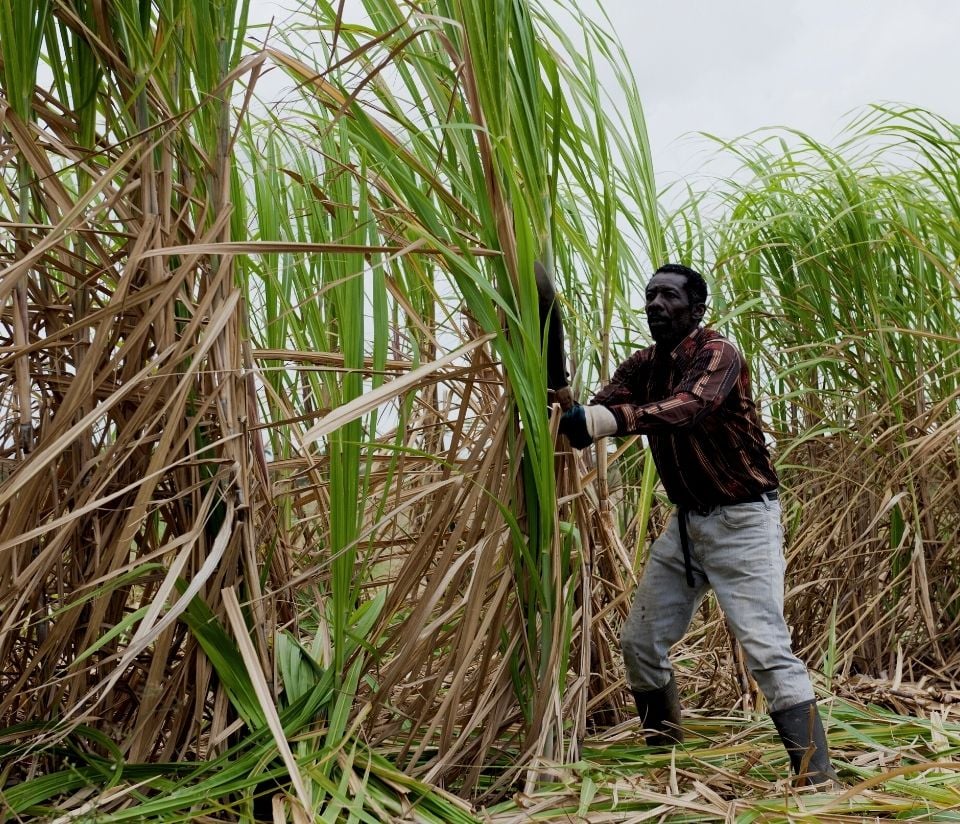
Sugar production typically occurs in countries with high poverty levels, leaving workers at risk of poor treatment and exploitation. The U.S. Department of Labor estimates that there are 20 countries using child or forced labour in sugar production. This includes Brazil and India, the two largest sugar producers.
In 2019, The Guardian reported on child labour occurring in the sugar industry in Zimbabwe. According to the report, children as young as 7 are working on sugar plantations for as little as £3 a month. Buying Fairtrade sugar UK and avoiding sugar brands involved in child labour is one way you can address this.
Water use is another major concern in sugar production that is often overlooked. Sugar cane is an exceptionally water-intensive crop — it takes an estimated 1,500 to 2,000 litres of water to produce just one kilogram of refined cane sugar. In water-stressed regions of Brazil, India and sub-Saharan Africa, this places enormous pressure on local water supplies, competing with the drinking water needs of local communities. Choosing UK-grown sugar beet, which requires significantly less irrigation than tropical cane sugar, or brands that source from water-conscious suppliers, is one of the most effective ways to reduce the hidden environmental footprint of your sugar consumption.
Land degradation: Is organic sugar a solution?
The sugar industry also comes with environmental issues, with an estimated 5-6 million hectares of soil lost every year due to sugar cultivation and land degradation. This eroded soil enters streams, destroying marine habitats and polluting drinking water with harsh agro chemicals. The Soil Association provides guidance on what organic certification means for agricultural commodities like sugar, and why it matters for both soil health and the wider environment.
Buying organic sugar can help to reduce the environmental cost of sugar production, as organic sugar is made without the use of harmful and polluting chemicals.
Our Ethical Sugar comparison table provides you with all the information you need to purchase from the most ethical sugar brands, including which brands sell organic sugar and Fairtrade sugar. By comparing brands that receive the best and the worst scores, you can identify the best choice without having to do all the research yourself.
Our research: Unethical sugar brands and the lack of Fairtrade sugar
Our latest research reveals that many sugar brands are not offering Fairtrade sugar, leaving their supply chains open to human rights violations and exploitation.
As Fairtrade sugar is typically made with higher working standards for farmers, including higher pay and more job security, we are disappointed to see some sugar brands are still not accredited. Of the 10 sugar brands assessed within our research, 6 of these do not sell any Fairtrade sugar products. If you want to buy Fairtrade sugar, look for sugar brands that receive a top ethical rating under our Fairtrade category.
When purchasing from any brand, it is crucial to be aware of who their parent company is and what other industries they operate in. Many brands may seem ethical but, in truth, they are owned by a company that deals in other, more controversial, industries.
For instance, Billington’s and Silver Spoon are owned by Associated British Foods (ABF), a company that has received much criticism in the past. ABF owns the well-known fast fashion chain, Primark, which is under constant scrutiny for its poor human rights and environmental practices. This is one of the reasons why Billington’s and Silver Spoon receive a low score of 39 in our research.
By contrast, brands such as Equal Exchange, Suma, Biona and The Groovy Food Company generally score above our ethical benchmark, performing better on environmental reporting, Fairtrade practices, and organic certification. Brands that hold The GOOD Shopping Guide’s Ethical Accreditation have been independently verified to meet our ethical benchmark — find out more about the benefits of Ethical Accreditation.
How to buy ethical sugar: Look for Fairtrade and organic sugar brands
The unethical policies and practices from sugar brands may be alarming, but there are steps consumers can take. Whilst the most important step is choosing an ethical sugar brand, there are also other things you can do to become more ethical in your sugar consumption.
Firstly, consider buying Fairtrade sugar. Although Fairtrade sugar can be more expensive, this is typically because Fairtrade farmers receive better wages. We believe that cheap prices should not come at the cost of other people’s livelihoods, so purchasing Fairtrade sugar is a good way to ensure that supply chain workers are receiving fairer pay. The Fairtrade Foundation provides a Fairtrade premium that farming communities can invest in local development — from schools and healthcare to improving farming infrastructure. According to the Fairtrade Foundation, small-scale sugar cane farmers receive a premium of US$60 per tonne of Fairtrade sugar, and US$80 per tonne of Fairtrade organic sugar — funds that farmers decide for themselves how to spend on improving their communities.
Additionally, opting for organic sugar is a good way to reduce the environmental impact of your purchase. Organic sugar uses less harmful agro chemicals in the production process, which reduces the risk of soil pollution and habitat destruction.
Agro chemicals also pollute rivers and streams, poisoning the local drinking water. This has a detrimental effect on local communities, depriving them of clean drinking water and exposing people to chemical-related illnesses. As organic sugar reduces the use of agro chemicals, it is far less harmful to people living near sugar plantations. WWF has highlighted sugar production as one of the leading drivers of biodiversity loss globally, particularly in tropical regions where sugar cane is grown.
To find organic sugar brands, look for companies that we awarded a top rating under the Organic criterion in our Ethical Sugar comparison table. There are several ethical sugar brands featured that offer both Fairtrade sugar and organic sugar, so you have a wide range of options for the next time you restock your cupboard. Your choice of sugar sits within a broader set of ethical food decisions. See our Ethical Chocolate comparison table and our Ethical Food & Drink comparison table for further guidance — sugar is a key ingredient in both sectors, and the ethical credentials of your sugar brand have implications beyond the bag on your kitchen shelf. For brands that have earned The GOOD Shopping Guide’s Ethical Accreditation across every food and drink sector, visit our Top 200 Ethical Businesses page.
See our Ethical Sugar comparison table to compare brands
Our research team make in-depth analyses of the biggest and most popular brands of sugar. Find the brand of sugar you regularly use and click on its name to read a more detailed write-up on its ethics.
Equal Exchange, Suma, Biona, Tate & Lyle, The Groovy Food Company, Whitworths, Billington’s and Silver Spoon.
Why should consumers consider ethics when buying sugar, even though it is a basic ingredient?
Sugar is widely used in food products, so its production has large-scale environmental and social impacts. Growing sugar crops can involve intensive farming practices, high water use, and pesticide application. In addition, labour conditions in some sugar-producing regions can be poor, meaning that everyday purchases may contribute to environmental harm and unfair working conditions.
What environmental issues are linked to conventional sugar production?
Conventional sugar farming often relies on synthetic pesticides and fertilisers, which can damage soil health, pollute water systems and harm wildlife. Large-scale monoculture farming also reduces biodiversity. These environmental concerns make non-organic sugar less sustainable compared with alternatives produced using more environmentally friendly agricultural methods.
How does Fairtrade certification improve the ethics of sugar?
Fairtrade certification helps ensure that farmers receive fair prices for their crops and better working conditions. It also provides a premium that communities can invest in local development projects such as education, healthcare and infrastructure. Choosing Fairtrade sugar supports more equitable global trade and helps reduce exploitation in agricultural supply chains.
What role does organic certification play in ethical sugar choices?
Organic sugar is produced without synthetic pesticides or fertilisers, reducing harm to ecosystems and farm workers. Organic farming methods also support biodiversity and soil health. As a result, organic certification is often seen as a key indicator of a more environmentally responsible sugar product compared with conventionally grown alternatives.
Which sugar brands tend to score higher on ethical and sustainability criteria?
Brands such as Billington’s, Clarks, Equal Exchange, Suma and Waitrose Duchy Organic generally score above the ethical benchmark. These brands tend to perform better on environmental reporting, Fairtrade practices, and organic certification, indicating stronger commitments to responsible sourcing and transparency compared with many mainstream alternatives.
Why do some sugar brands receive lower ethical ratings?
Some brands score poorly because they rely on conventional farming methods, lack Fairtrade or organic certification, and provide limited transparency about sourcing and labour conditions. Without clear environmental or social responsibility policies, it is harder to assess their impact, which lowers their overall ethical ratings compared with more transparent brands.
How can consumers make more ethical choices when buying sugar?
To make more ethical choices, consumers can look for sugar that is both Fairtrade and organic, check whether brands publish transparent sourcing policies, and avoid products linked to intensive or unclear farming practices. These steps help support better environmental outcomes and fairer treatment of workers in global sugar supply chains.
Is Coconut Merchant an Ethical Sugar brand?
Coconut Merchant is an ethical sugar brand, sitting above the benchmark on The GOOD Shopping Guide’s Sugar Ethical Ratings Table. It performs strongly in areas such as genetic modification, organic certification, and across environmental and social criteria, though falls short in its Environmental Report detail. While it lacks Ethical Accreditation, its high standing and Ethical Innovator Status suggest that applying for Ethical Accreditation could further demonstrate its commitment to ethical and sustainable practices.
Is Green Origins an Ethical Sugar brand?
Green Origins is an ethical sugar brand, sitting above the benchmark on The GOOD Shopping Guide’s Sugar Ethical Ratings Table. It performs well across genetic modification, organic certification, and wider environmental and social criteria, though falls short in the depth of its Environmental Report. While it has not secured Ethical Accreditation, its Ethical Innovator Status and strong performance indicate that applying for Ethical Accreditation could further reinforce its commitment to ethical and sustainable practices.
Is The Groovy Food Company an Ethical Sugar brand?
The Groovy Food Company is an ethical sugar brand, sitting above the benchmark on The GOOD Shopping Guide’s Sugar Ethical Ratings Table. It performs strongly in organic certification, environmental reporting, and across key environmental and social criteria, although it falls short in its genetic modification policy. While it has not obtained Ethical Accreditation, its Ethical Innovator Status and high ranking indicate that pursuing Ethical Accreditation could further demonstrate its commitment to ethical and sustainable business practices.
Is Equal Exchange an Ethical Sugar brand?
Equal Exchange is an ethical sugar brand, sitting above the benchmark on The GOOD Shopping Guide’s Sugar Ethical Ratings Table. It performs well in areas such as organic certification, Fairtrade practices, and across environmental and social criteria, although it falls short in its Environmental Report and genetic modification transparency. While it lacks Ethical Accreditation, its Ethical Innovator Status and strong performance suggest that applying for Ethical Accreditation could further demonstrate its commitment to ethical and sustainable business practices.
Is Suma an Ethical Sugar brand?
Suma is an ethical sugar brand, sitting above the benchmark on The GOOD Shopping Guide’s Sugar Ethical Ratings Table. It performs strongly across environmental reporting, genetic modification, organic certification, and wider social criteria, though falls short in Fairtrade provision. While it has not obtained Ethical Accreditation, its Ethical Innovator Status and high ranking suggest that applying for Ethical Accreditation could further reinforce its commitment to ethical and sustainable practices.
Is Biona an Ethical Sugar brand?
Biona is an ethical sugar brand, sitting above the benchmark on The GOOD Shopping Guide’s Sugar Ethical Ratings Table. It performs well in environmental reporting, genetic modification policies, and broader social and environmental criteria, although it falls short in organic certification and Fairtrade provision. While it has not achieved Ethical Accreditation, its Ethical Innovator Status and strong overall performance suggest that obtaining Ethical Accreditation could further demonstrate its commitment to ethical and sustainable practices.
Is Tate & Lyle an Ethical Sugar brand?
Tate & Lyle is a sugar brand that sits below the benchmark on The GOOD Shopping Guide’s Sugar Ethical Ratings Table. It performs reasonably well in areas such as Fairtrade provision and environmental reporting, but falls short in organic certification, political donations, and public record criticisms. As it does not meet the benchmark, readers may wish to explore alternative brands listed on the Sugar Ethical Ratings Table that achieve stronger ethical standards.
Is La Perruche an Ethical Sugar brand?
La Perruche is a sugar brand that sits below the benchmark on The GOOD Shopping Guide’s Sugar Ethical Ratings Table. It performs well in genetic modification policies and several environmental and social criteria, but falls short in organic certification, Fairtrade provision, and public record criticisms. As it does not meet the benchmark, readers may wish to explore alternative brands listed on the Sugar Ethical Ratings Table that achieve stronger ethical standards.
Is Whitworths an Ethical Sugar brand?
Whitworths is a sugar brand that sits below the benchmark on The GOOD Shopping Guide’s Sugar Ethical Ratings Table. It performs reasonably well in areas such as nuclear, fossil fuels, animal welfare and political donations, but falls short in organic certification, Fairtrade provision and public transparency. As it does not meet the benchmark, readers may wish to explore alternative brands on the Sugar Ethical Ratings Table that achieve stronger ethical standards.
Is Billington’s an Ethical Sugar brand?
Billington’s is a sugar brand that sits below the benchmark on The GOOD Shopping Guide’s Sugar Ethical Ratings Table. It performs well in its Environmental Report, organic certification and several environmental and social criteria, but falls short in areas such as genetic modification transparency and Fairtrade provision. As it does not meet the benchmark, readers may wish to explore other brands on the Sugar Ethical Ratings Table that achieve stronger ethical standards.
Is Silver Spoon an Ethical Sugar brand?
Silver Spoon is a sugar brand that sits below the benchmark on The GOOD Shopping Guide’s Sugar Ethical Ratings Table. It performs well in its Environmental Report and several environmental and social criteria, but falls short in areas such as genetic modification policy and Fairtrade provision. As it does not meet the benchmark, readers may wish to explore other brands on the Sugar Ethical Ratings Table that achieve stronger ethical standards.