Which coffee shops are the most ethical and sustainable? For the answer, see our Ethical Coffee Shops Ratings Table — the UK’s leading ethical comparison table for coffee shop brands — to compare brands’ scores.
What are the ethical issues for the UK’s leading coffee shop brands?
The Good Shopping Guide has been researching and rating consumer brands on ethical and sustainability criteria since 2001, giving us over two decades of insight into which coffee shop brands are improving and which are falling behind. The UK coffee shop market is now worth an estimated £6.7 billion, with more than 8,600 businesses operating across the country. As the sector grows, so does the responsibility on brands to demonstrate credible ethical and sustainability policies.
Coffee shop brands are big business in the UK, with the biggest chains, Costa and Starbucks, boasting over 2,600 and 1,000 stores, respectively. But conscious consumers now want to know if their favourite coffee shop brands are ethical. Unfortunately, many coffee shop brands are involved in unethical practices that have a negative impact on the Environment, Animals, and People.
However, there are many options for ethical coffee shops, including large chains and local coffee shops you can find in your area. Our Ethical Coffee Shops Ratings Table shows you which companies are leading the way in coffee shop sustainability, and those that are trailing behind, so you can make an informed decision on which brand to choose.
Is coffee ethically produced?
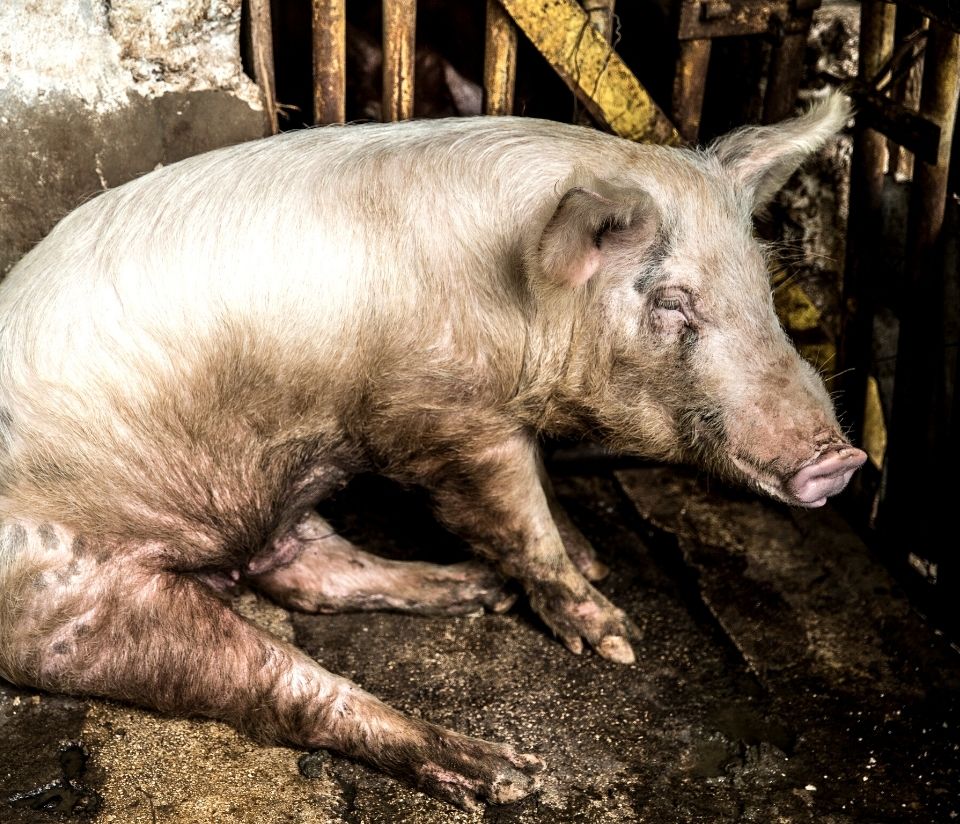
One of the key issues amongst many coffee shop brands is animal welfare. Many coffee shops purchase their meat from suppliers involved in factory farming and animal abuse. We firmly believe that cruel treatment of farm animals is unacceptable, and we encourage you to expect more from the companies you purchase from.
Your favourite coffee shop brands could also be involved in harmful environmental practices. In 2018, the Environmental Audit Committee found that the UK alone throws away 2.5 billion disposable coffee cups every year, with less than 1% of them being recycled. This leads to a concerning amount of waste that either goes into landfill or the oceans, damaging important ecosystems and devastating our planet. The carbon footprint of coffee consumption extends well beyond the cup itself — from bean cultivation and transportation to packaging waste — making it vital that consumers seek out brands with credible sustainability policies.
Our research: how the UK’s top coffee shop brands perform on ethics and sustainability
The Good Shopping Guide’s latest research into the coffee shops reveals that some of the UK’s leading coffee shop brands are continuing to underperform on animal welfare standards.
For instance, the Business Benchmark on Farm Animal Welfare (BBFAW) gave Starbucks a tier 5 grade for poor animal welfare standards for 9 consecutive years! Starbucks, Tim Hortons, Costa and Pret A Manger have all received a bottom rating under our Animal Welfare criteria. We recommend avoiding these brands if you are concerned about buying from companies that treat animals cruelly.
When assessing coffee shop brands, we also consider their approach to Fairtrade and organic sourcing. Certification from the Fairtrade Foundation guarantees farmers a fair minimum price and supports community development — a meaningful distinction from weaker in-house standards. Similarly, organic certification from the Soil Association ensures coffee is grown without harmful pesticides. Brands that rely on proprietary sourcing schemes, rather than independently verified standards, score lower in our ethical comparison tables.
What conscious consumers are now looking for
Consumer expectations around ethical coffee are shifting fast. Research shows that around 25% of UK shoppers now factor sustainability into their coffee buying decisions, and younger consumers — particularly Gen Z — are actively seeking out brands with transparent supply chains, traceable single-origin beans, and independently verified ethical credentials. Sustainability is no longer a bonus; it is increasingly a baseline expectation. Coffee shops that cannot demonstrate where their beans come from, how their workers are treated, and what they are doing to reduce waste risk losing the trust of this growing audience. The Good Shopping Guide’s ethical comparison tables give consumers a clear, research-backed way to hold brands to account.
The good news
To address the waste within the coffee shops industry, you can bring your own reusable cup into your chosen coffee shop and ask them to fill it up. This is a great step in improving the amount of waste produced by single-use coffee cups.
Many coffee shops now offer a discount or an additional loyalty stamp for customers that bring in their own cup. These brands receive a top rating in the Reusable Cup Scheme criterion to reward them for their efforts in encouraging waste reduction. Brands that hold Ethical Accreditation from The Good Shopping Guide have demonstrated independently verified ethical performance — look for the Ethical Business mark when choosing where to get your next coffee.
Coffee shop chains vs local coffee shops
Choosing an ethical coffee shop is the first step in becoming more sustainable. But there are other ways to consume coffee consciously. Firstly, have you considered going to your local coffee shops, rather than a chain store?
Local coffee shops are typically small companies that are run independently, so buying from these independent businesses means you are supporting your local economy.
Many local coffee shops use single-origin, organic, Fairtrade and traceable beans. Their baristas and roasters are often highly knowledgeable about the roasting and growing process, as well as incredibly skilled at creating the perfect cup of coffee! Head on down to your local coffee shop and ask about where their beans are roasted; often local businesses buy beans that have been roasted nearby, which also supports your local economy. Independent coffee shops are hugely successful now, as the public learn more about the coffee trade. For consumers who want to go further, our Ethical Coffee Ratings Table compares retail coffee brands on the same ethical criteria — useful if you also brew at home.
Vegan milk in coffee
Once you have discovered your favourite ethical coffee shops, you may want to consider making your drinks order more ethical. For instance, why not choose plant milk instead of dairy?
It is now well-known that plant milk is far more ethical and sustainable, both in terms of the environment and animal welfare. Most coffee shop brands, including local coffee shops, now offer a range of different plant milks, such as oat milk, soy milk and almond milk. Some chains have now removed the surcharge on plant-based milks, making the more sustainable choice easier and fairer for consumers. If you want to explore further, see our Ethical Vegan Milk Ratings Table to compare plant milk brands.
Ethical food and drink: beyond the coffee cup
If you are thinking carefully about the ethics of your coffee shop visit, it is worth considering your wider food and drink choices too. The Good Shopping Guide has been independently rating food and drink brands since 2001 across dozens of categories. See our Ethical Tea Ratings Table to compare tea brands, or explore our Ethical Soft Drinks Ratings Table for further comparisons. For businesses in the food and drink sector that want their ethical credentials recognised, find out more about The Good Shopping Guide’s Ethical Accreditation.
See our Ethical Coffee Shops Ratings Table to compare brands’ scores.
The Good Shopping Guide has researched coffee shop chains so consumers can be better informed about the ethics and sustainability policies of popular brands. Click on any brand name to read more detailed reports on the Environment, Animals and People.
Soho Coffee, Greggs, Coffee Republic, Esquires, Caffè Nero, Coffee#1, Caffè Ritazza, Puccino’s, Muffin Break, Starbucks, Costa Coffee, Tim Hortons, GAIL’s, Joe & the Juice and Pret a Manger.
What are the main things to look for in a coffee shop that’s considered ethical and sustainable?
An ethical coffee shop typically pays attention to where its coffee beans come from, avoids exploiting workers, reduces waste and plastic, and considers its environmental impact. This includes using certified fair trade or organic beans, encouraging reusable cups, and offering plant‑based milks that have a lower carbon footprint than dairy.
Why does choosing fair trade or organic coffee matter when looking at ethics?
Coffee grown under fair trade or organic standards usually means farmers are paid a fair wage, use fewer harmful chemicals, and protect biodiversity. Organic farming avoids synthetic pesticides that damage soil and water systems, while fair trade certifications help ensure farming communities can improve their livelihoods and invest in local development.
How can waste management practices make a coffee shop more sustainable?
Sustainable coffee shops aim to minimise waste sent to landfill by composting organic leftovers, recycling packaging, and reducing single‑use items. Better practices include using compostable cups, offering discounts for reusable mugs, and even reusing coffee grounds for gardening or other community projects.
What role do plant based milks play in ethical coffee consumption?
Plant‑based milks (like oat, soy, or almond) generally produce fewer greenhouse gases and have lower environmental impacts than dairy. Some coffee businesses have responded to ethical and environmental concerns by removing surcharges on plant milks, making more sustainable choices easier and fairer for consumers.
How might labour practices in the coffee supply chain influence how ethical a coffee shop is?
The coffee industry’s labour system can involve serious issues like low wages and unsafe conditions at farms supplying beans. Allegations and lawsuits have highlighted cases where workers endured abusive conditions, underscoring the importance of transparency about bean origins and ethical sourcing commitments.
Is Soho Coffee an Ethical Coffee Shop?
Soho Coffee ranks above the benchmark on The GOOD Shopping Guide’s Ethical Coffee Shops Ratings Table, reflecting strong performance in areas such as environmental reporting, use of Fairtrade and organic coffee, and having a reusable cup scheme. Because its overall rating is favourable, gaining official accreditation could further enhance its ethical profile.
Is Esquires an Ethical Coffee Shop?
Esquires sits above the benchmark on The GOOD Shopping Guide’s Ethical Coffee Shops Ratings Table, doing particularly well in areas like environmental reporting, serving 100 % Fairtrade and organic coffee, and being recognised for its clear ethical ethos. It trails behind in having a reusable cup scheme and formal ethical accreditation. If it pursued accreditation, this could further strengthen its ethical and sustainability reputation.
Is Coffee Republic an Ethical Coffee Shop?
Coffee Republic sits above the benchmark on The GOOD Shopping Guide’s Coffee Shops Ethical Ratings Table, showing particular strength in its reusable cup scheme and a lack of public criticisms in areas like animal welfare and fossil fuels. That said, it underperforms in organic sourcing and hasn’t yet obtained formal ethical accreditation — achieving this could improve its sustainability profile further.
Is Greggs Coffee Shops an Ethical Coffee Shop?
Greggs sits above the benchmark on The GOOD Shopping Guide’s Coffee Shops Ethical Ratings Table, showing solid performance in areas like environmental reporting, a strong reusable cup scheme, and use of 100 % Fairtrade coffee. It fares less well on organic sourcing and hasn’t yet gained formal ethical accreditation. Securing recognised certification could further bolster its sustainability and ethical credibility.
Is Caffè Nero an Ethical Coffee Shop?
Caffè Nero sits below the benchmark on The GOOD Shopping Guide’s Ethical Coffee Shops Ratings Table, performing well in its reusable cup scheme and having no public criticisms in areas like fossil fuels or animal welfare. However, it scores poorly on its environmental reporting and lacks organic and Fairtrade certification, indicating room for improvement in several ethical areas.
Is Coffee#1 an Ethical Coffee Shop?
Coffee#1 sits below the benchmark on The GOOD Shopping Guide’s Ethical Coffee Shops Ratings Table, showing strengths like a good reusable cup scheme and no major criticisms on fossil fuels or animal welfare. However, it falls short in areas such as environmental reporting and organic or Fairtrade sourcing, suggesting there’s scope for ethical improvement.
Is Puccino’s an Ethical Coffee Shop?
Puccino’s sits below the benchmark on The GOOD Shopping Guide’s Ethical Coffee Shops Ratings Table, doing well in its reusable cup scheme and avoiding public criticisms in categories like fossil fuels and animal welfare. However, it performs poorly on environmental reporting and organic sourcing, and its overall rating reflects some clear areas where ethical practices could be strengthened.
Is Caffè Ritazza an Ethical Coffee Shop?
Caffè Ritazza sits below the benchmark on The GOOD Shopping Guide’s Ethical Coffee Shops Ratings Table, showing decent environmental reporting and avoiding major public criticisms in areas like fossil fuels and political donations. However, it scores poorly for things like reusable cup scheme, organic and Fairtrade sourcing, and animal welfare, suggesting clear areas where its ethical practices lag behind peers.
Is Muffin Break an Ethical Coffee Shop?
Muffin Break sits below the benchmark on The GOOD Shopping Guide’s Ethical Coffee Shops Ratings Table, scoring well for its reusable cup scheme and having no major criticisms in areas like fossil fuels or animal welfare. However, it falls short on environmental reporting and lacks organic and Fairtrade sourcing, showing several ethical areas where improvement is needed.
Is Joe & the Juice an Ethical Coffee Shop?
Joe & the Juice sits below the benchmark on The GOOD Shopping Guide’s Coffee Shops Ethical Ratings Table, showing relative strengths in areas like fossil fuels and animal welfare but weaker performance in key areas such as environmental reporting, reusable cup scheme and organic sourcing. Overall, the available ethical indicators suggest there’s still considerable scope for improvement.
Is Costa Coffee an Ethical Coffee Shop?
Costa Coffee sits below the benchmark on The GOOD Shopping Guide’s Ethical Coffee Shops Ratings Table, showing strengths like a solid reusable cup scheme and relatively detailed environmental reporting. However, it scores poorly in areas including organic and Fairtrade sourcing, animal welfare, and broader ethical criticisms, indicating significant gaps in its ethical performance compared with higher‑ranking peers.
Is Starbucks an Ethical Coffee Shop?
Starbucks sits below the benchmark on The GOOD Shopping Guide’s Ethical Coffee Shops Ratings Table, performing reasonably well for environmental reporting and its reusable cup scheme but scoring poorly in areas such as animal welfare, Fairtrade and organic coffee use, and public record criticisms. Overall, the available indicators suggest there’s substantial room for ethical improvement.
Is Gail’s an Ethical Coffee Shop?
Gail’s sits below the benchmark on The GOOD Shopping Guide’s Ethical Coffee Shops Ratings Table, doing well in its reusable cup scheme and scoring positively on fossil fuels and animal welfare. However, it scores poorly in areas like environmental reporting, organic and Fairtrade sourcing, and public record issues, suggesting that its ethical performance trails behind many competitors.
Is Pret a Manger an Ethical Coffee Shop?
Pret a Manger sits below the benchmark on The GOOD Shopping Guide’s Ethical Coffee Shops Ratings Table, with relative strengths in serving organic coffee and offering a reusable cup scheme but weaker performance on environmental reporting, Fairtrade sourcing and animal welfare criteria. On balance, the available ethical indicators show there’s still considerable scope for improvement across its ethical practices.
Is Tim Hortons an Ethical Coffee Shop?
Tim Hortons sits below the benchmark on The GOOD Shopping Guide’s Ethical Coffee Shops Ratings Table, showing some positive indicators like a reusable cup scheme and no notable criticisms on fossil fuels. However, it scores poorly on environmental reporting, Fairtrade/organic sourcing and several other ethical areas, suggesting its overall ethical performance lags behind many rivals.
How does The GOOD Shopping Guide's Ethical Accreditation complement other accreditations?
The GOOD Shopping Guide doesn’t replace existing certifications, it ensures your ethical credentials are clearly recognised so they are trusted by consumers. By appearing in our comparison tables, your brand reaches an audience that is actively seeking genuinely ethical options, while also being referenced by Google and AI search tools to enhance credibility and discoverability.
How is The GOOD Shopping Guide's Ethical Accreditation different from other accreditations?
Unlike many accreditations that focus mainly on compliance or internal audits, The GOOD Shopping Guide provides scored, research-led assessments across environment, people and animals. Our tables are consumer-facing and freely accessible, making it easy for shoppers and AI tools to compare brands based on verified performance, not just promises.
How does The GOOD Shopping Guide choose who is eligible for accreditation?
The GOOD Shopping Guide audits brands for their ethical impact across a variety of criteria in the human, animal and environment categories. We research the records of brands and their parent companies, and rate them across those criteria. If they are found to be above our benchmark, they are eligible to apply for Ethical Accreditation.
How can I apply for Ethical Accreditation?
You can apply for Ethical Accreditation if your brand is assessed as above our benchmark. Click on this link to fill out our online form, and our researchers will assess your brand’s viability for Ethical Accreditation.