Reusable Nappies & Organic Nappies
Which brands are the most ethical and sustainable? For the answer, see our Ethical Nappies comparison table to compare brands’ ethical scores.
The importance of purchasing eco-friendly and reusable nappies from ethical nappy brands
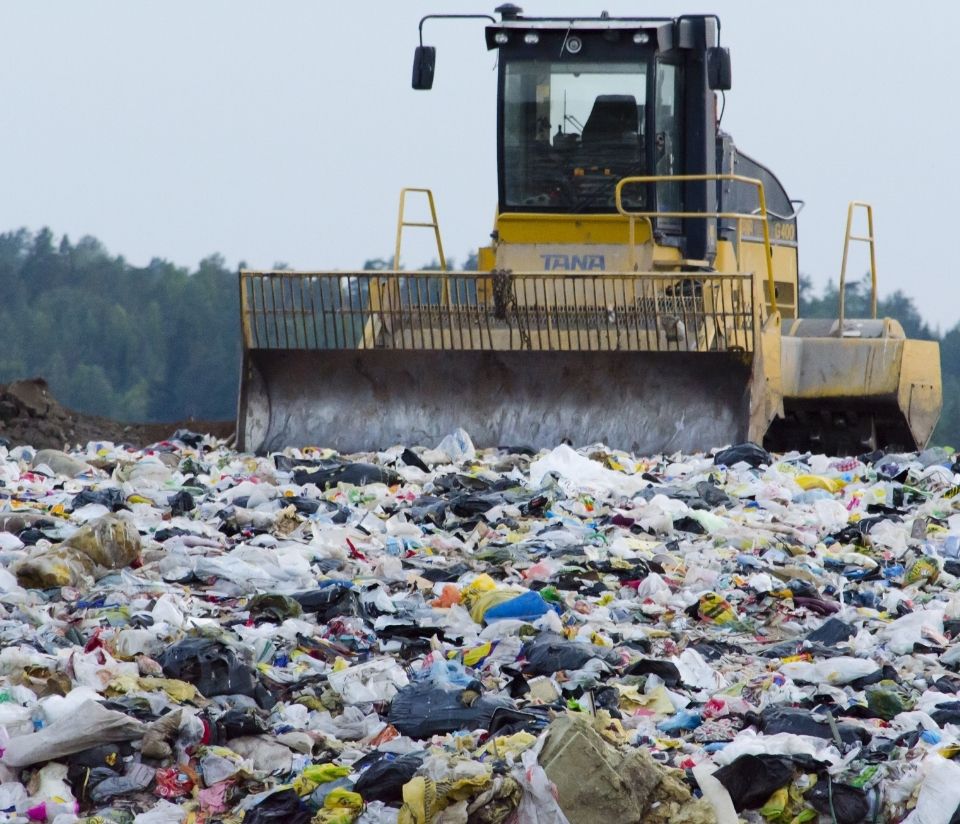
According to WRAP, the UK throws away 3 billion nappies every year. This is the equivalent of 8 million nappies a day! The Environment Agency predicts that nappies made with plastic take up to 500 years to biodegrade, so they spend years languishing in landfill. These nappies pollute our soil and atmosphere with toxic particles. Many nappy brands sell products containing harmful chemicals that contaminate our planet when disposed of. Many of these chemicals have the potential to irritate a baby’s skin. In the worst cases, these chemicals can be carcinogenic. This is another reason to look for biodegradable nappies, plastic-free nappies, or reusable nappies, as many are made without the use of harsh chemicals.
Fortunately, there are many sustainable nappies UK parents can choose from, which come with a much less harmful environmental impact. Our Ethical Nappies comparison table shows you which nappy brands have scored well for their ethical policies and practices. Our table gives you the information you need to find the best eco-friendly nappies from ethically and environmentally conscious nappy brands. The GOOD Shopping Guide has been independently researching and rating brands on ethical criteria since 2001, making our comparison tables one of the most trusted resources for consumers seeking ethical baby products.
It is also worth being aware of greenwashing in the nappies market. Some brands market their products as “biodegradable” or “eco” without full transparency about their materials or disposal requirements. Truly biodegradable nappies require industrial composting facilities to break down effectively — in standard landfill, where oxygen is absent, even plant-based materials will not decompose as claimed. Our Ethical Nappies comparison table assesses brands on their environmental reporting, materials sourcing, and wider ethical record — not just their marketing claims.
Our research: The unethical practices of popular nappy brands
The GOOD Shopping Guide’s latest research has revealed that many nappy brands are currently engaging in unethical practices. Large corporations often own nappy brands.
For instance, Pampers, one of the most popular nappy brands, is owned by Procter & Gamble (P&G). P&G, one of the world’s largest corporations, has been criticised for unethical activities for several decades. This includes the company’s involvement in animal testing, environmental degradation, and human rights violations. Due to these controversies, we gave Pampers the lowest rating for Public Record Criticisms. For a full breakdown of our rating criteria, including how we assess animal welfare, environmental reporting and human rights, visit our How We Rate page.
Rainforest Action Network has criticised P&G for its palm oil supply chain, including its use of suppliers linked to deforestation. Golden Agri-Resources (GAR), the world’s second largest palm oil company, has been subject to many criticisms for its contribution to deforestation, including the destruction of land inhabited by endangered species such as chimpanzees and the pygmy hippopotamus. We firmly believe that companies like P&G should not be supporting suppliers that damage our planet and risk eradicating important wildlife species.
Similarly, Boots Baby is owned by Walgreens Boots Alliance (WBA), another huge conglomerate. Walgreens Boots Alliance has been criticised for similar activities as P&G. Despite owning some cruelty-free brands, WBA is heavily involved in animal testing and has been condemned by many animal rights organisations. WBA are still included on PETA’s list of companies that test on animals. Boots Baby therefore receives a bottom rating under our Animal Welfare category. Brands that do meet our ethical benchmark — and have gone further by applying for Ethical Accreditation — can be identified in our Ethical Nappies comparison table. Find out more about the benefits of Ethical Accreditation.
How to be more sustainable: buy reusable nappies or disposable eco-friendly nappies
The best options for buying sustainable nappies are disposable eco-friendly nappies and reusable nappies. We have summarised the benefits of each option so you can choose which type of nappy is right for you.
The pros and cons of reusable nappies
Reusable nappies are a great choice if you are concerned about waste. A newborn baby will need changing around 12 times a day — that’s around 84 nappies every week. In comparison, babies only need 20-30 reusable nappies, which can also be re-used by younger siblings. Reusable nappies will save you money in the long-term as well. Buying reusable nappies saves tonnes of disposable nappies from ending up in landfill and releasing toxic waste. The Nappy Alliance, the UK trade body for reusable nappy manufacturers and retailers, estimates that switching to reusable nappies can save a family over £500 compared to using disposables.
However, there are several things to be aware of before opting for reusable nappies. Reusable nappies will likely increase the cost of your water and electricity bills, as they need to be washed regularly. If you are a parent or a carer for a baby, you may find the additional laundry somewhat time-consuming! Many local councils in the UK offer nappy incentive schemes, providing cashback or free trial kits to help families make the switch to reusable nappies. Check with your local authority to see what support is available in your area.
For parents who want to try reusable nappies before committing, nappy libraries are a growing and practical resource. Run by volunteers across the UK, nappy libraries allow parents to borrow a range of reusable nappy styles to test at home before purchasing. The Real Nappy Network maintains a directory of nappy libraries and local support groups across the country, making it straightforward to find help near you.
If you are apprehensive about reusable nappies, the other option is to choose disposable biodegradable nappies made with sustainable materials. Some nappy brands now sell plastic-free nappies made from bamboo, which is a much more environmentally friendly material than cotton, as it requires significantly less water and chemicals to grow. If you are interested in purchasing bamboo nappies, Mama Bamboo offers a range of bamboo nappies for you to choose from. You can also explore our Ethical Nappies comparison table to compare bamboo nappy brands and other sustainable options side by side.
A third option gaining popularity is the hybrid nappy — a system combining a reusable outer pant with a compostable inner pad. Hybrid nappies offer a middle ground between reusables and disposables, reducing landfill waste while remaining practical for busy parents. If composting facilities are available in your area, hybrid nappies can be one of the most sustainable choices available.
Choosing ethical nappies is just one part of making more sustainable choices for your baby. You may also want to explore our Ethical Baby Food comparison table and our Ethical Skincare comparison table, which cover a wide range of products for babies and young children from brands that have been independently assessed for their ethical and environmental credentials.
See our Ethical Nappies comparison table to compare brands
Our team of researchers at The GOOD Shopping Guide have created detailed and in-depth analysis pages for every brand on our Ethical comparison tables. Click on any brand name to read more about how your favourite nappy brands are considering the Environment, Animals and People.
Our team of researchers at The Good Shopping Guide have created detailed and in-depth analysis pages for every brand on our Ethical Ratings Tables. Click on any brand name to read more about how your favourite make up brands are considering the Environment, Animals and People.
Beaming Baby, Mama Bamboo, GroVia, Mum & You, Pura, Naty, Bambino Mio, Kit & Kin, Bambo Nature, Rascals, Moltex, Huggies, Pampers and Boots Baby.
Why are ethical concerns important when choosing nappies?
Disposable nappies contribute hugely to waste — around 3 billion are thrown away every year in the UK alone — and can take centuries to break down in landfill while releasing harmful toxins into soil and the atmosphere. Ethical considerations include reducing landfill waste, avoiding toxic chemicals that may irritate babies’ skin, and lowering environmental impacts from plastic‑heavy products.
What are the benefits of reusable nappies compared with disposables?
Reusable nappies drastically cut down on waste because you can wash and reuse the same 20–30 nappies for many changes, compared with hundreds of single‑use nappies. This can save families money over time and reduce landfill burden. The trade‑off is that reusable nappies require more laundering — increasing water and energy use — and can be more time‑intensive.
What makes some disposable nappies more “eco‑friendly” than others?
Eco‑friendly disposable nappies often use sustainable materials like bamboo or plant‑based fibres instead of conventional plastics. These materials generally require fewer chemicals and water to produce, and some brands avoid harsh additives that may irritate skin or harm the environment when disposed of, though even “eco” disposables still end up in landfill if not composted properly.
Which nappy brands score well for ethical and sustainability criteria?
Brands with relatively high ethical ratings include Mama Bamboo, Naty and Pura, which use more sustainable materials, strong environmental reporting and vegan‑friendly policies. For example, Mama Bamboo achieves top marks for animal welfare and vegetarian/vegan verification, and uses biodegradable bamboo materials with compostable packaging. Naty also scores highly for sustainable sourcing and low toxin use.
Why do some mainstream nappy brands score poorly on ethical evaluations?
Mainstream brands like Huggies and Pampers typically receive low ethical scores because their parent companies have been criticised for poor animal welfare, lack of transparency about sustainability policies, and weak reporting on environmental impacts. These brands often include plastics and other conventional materials linked to landfill waste and limited biodegradability.
How can parents reduce the ethical impact of baby nappies overall?
To reduce impact, parents can choose reusable nappies to cut landfill waste, look for disposable options made from renewable materials (like bamboo or sustainably sourced fibres), and favour brands that provide transparency about their sourcing and environmental policies. Using reusable nappies part‑time (e.g., at home) can also be a practical compromise between convenience and sustainability.
Is Mama Bamboo an ethical nappies brand?
Mama Bamboo sits above the benchmark on The GOOD Shopping Guide’s Nappies Ethical Ratings Table, performing strongly in areas like genetic modification avoidance, animal welfare, and social responsibility, though it rates lower on organic materials. It holds Ethical Accreditation and appears on the Top 200 Ethical Businesses list, showing a solid commitment to ethical and sustainable practices in the nappies category.
Is Naty an ethical nappies brand?
Naty sits above the benchmark on The GOOD Shopping Guide’s Nappies Ethical Ratings Table, performing well in areas such as environmental reporting, genetic modification avoidance, animal welfare, and social responsibility, though it has not achieved Ethical Accreditation. It holds Ethical Innovator Status, and if it were to pursue formal Ethical Accreditation, this could further reinforce its commitment to ethical and sustainable business practices.
Is Pura an ethical nappies brand?
Pura sits above the benchmark on The GOOD Shopping Guide’s Nappies Ethical Ratings Table, performing well in areas such as environmental reporting, animal welfare, and vegetarian‑friendly products, although it scores lower on organic materials and has not achieved Ethical Accreditation. It holds Ethical Innovator Status, and if Pura applied for formal Ethical Accreditation, this could further demonstrate its commitment to ethical and sustainable business practices.
Is GroVia an ethical nappies brand?
GroVia sits above the benchmark on The GOOD Shopping Guide’s Nappies Ethical Ratings Table, performing well in areas such as organic materials, genetic modification avoidance, animal welfare, and social responsibility, although its vegetarian/vegan verification and Environmental Report detail are weaker and it has not obtained Ethical Accreditation. If GroVia pursued Ethical Accreditation, this could further underline its dedication to ethical and sustainable business practices.
Is Bambino Mio an ethical nappies brand?
Bambino Mio sits above the benchmark on The GOOD Shopping Guide’s Nappies Ethical Ratings Table, performing well in areas such as environmental reporting, genetic modification policies, animal welfare, and social responsibility, though it scores lower on organic materials and has yet to achieve Ethical Accreditation. It holds Ethical Innovator Status, and if it applied for Ethical Accreditation this could further affirm its ethical and sustainable business commitment.
Is Beaming Baby an ethical nappies brand?
Beaming Baby sits above the benchmark on The GOOD Shopping Guide’s Nappies Ethical Ratings Table, performing well in areas like environmental reporting, animal welfare, and responsible business practices, although it is weaker on organic materials and has not achieved Ethical Accreditation. If Beaming Baby pursued Ethical Accreditation, this could further demonstrate its dedication to ethical and sustainable business practices.
Is Kit & Kin an ethical nappies brand?
Kit & Kin sits above the benchmark on The GOOD Shopping Guide’s Nappies Ethical Ratings Table, performing well in areas like environmental reporting, genetic modification policies, animal welfare, and social responsibility, although it lacks organic and vegetarian/vegan verification and has not attained Ethical Accreditation. It holds Ethical Innovator Status, and if Kit & Kin were to secure formal Ethical Accreditation, this could further demonstrate its commitment to ethical and sustainable business practices.
Is Moltex an ethical nappies brand?
Moltex sits above the benchmark on The GOOD Shopping Guide’s Nappies Ethical Ratings Table, performing well in areas like environmental reporting, genetic modification policies and organic materials, although it falls short on animal welfare and vegetarian/vegan verification and has not achieved Ethical Accreditation. If Moltex were to pursue formal Ethical Accreditation, this could further demonstrate its commitment to ethical and sustainable business practices.
Is Mum & You an ethical nappies brand?
Mum & You sits above the benchmark on The GOOD Shopping Guide’s Nappies Ethical Ratings Table, performing well in areas like animal welfare, vegetarian/vegan products, genetic modification policies and responsible business practices, although it scores lower on organic materials and environmental reporting. It has not yet achieved Ethical Accreditation, and if Mum & You pursued this accreditation it could further demonstrate its commitment to ethical and sustainable business practices.
Is Rascals an ethical nappies brand?
Rascals sits above the benchmark on The GOOD Shopping Guide’s Nappies Ethical Ratings Table, performing well in genetic modification policies, organic materials, animal welfare, and responsible business practices, though it is weaker on vegetarian/vegan verification and environmental reporting and has not achieved Ethical Accreditation. If Rascals pursued Ethical Accreditation this could further demonstrate its commitment to ethical and sustainable business practices.
Is Bambo Nature an ethical nappies brand?
Bambo Nature sits above the benchmark on The GOOD Shopping Guide’s Nappies Ethical Ratings Table, performing well in areas like environmental reporting, genetic modification avoidance, animal welfare and vegetarian/vegan products, although it is weaker on organic materials and has not achieved Ethical Accreditation. If Bambo Nature applied for Ethical Accreditation, this could further demonstrate its commitment to ethical and sustainable business practices.
Is Huggies an ethical nappies brand?
Huggies sits below the benchmark on The GOOD Shopping Guide’s Nappies Ethical Ratings Table, performing reasonably in environmental reporting and genetic modification criteria but falling short in areas such as animal welfare, vegetarian/vegan verification and political donations, resulting in an overall score under the ethical benchmark. As it does not meet the benchmark, consider looking at brands on the Nappies Ethical Ratings Table that reach or exceed the benchmark for stronger ethical and sustainable practices.
Is Boots Baby an ethical nappies brand?
Boots Baby sits below the benchmark on The GOOD Shopping Guide’s Nappies Ethical Ratings Table, performing well on environmental reporting and genetic modification policies but falling short in areas such as organic materials, animal welfare, vegetarian/vegan verification, irresponsible marketing and political donations, resulting in an overall score under the ethical benchmark. As it does not meet the benchmark, consider choosing brands on the Nappies Ethical Ratings Table that reach or exceed the benchmark for stronger ethical and sustainable practices.
Is Pampers an ethical nappies brand?
Pampers sits below the benchmark on The GOOD Shopping Guide’s Nappies Ethical Ratings Table, performing reasonably in its environmental reporting and genetic modification policies but falling short in key areas such as organic materials, animal welfare and responsible practices, resulting in an overall score beneath the ethical benchmark. Since it does not meet the benchmark, consider exploring brands on the Nappies Ethical Ratings Table that reach or exceed it for stronger ethical and sustainable practices.
How does The GOOD Shopping Guide's Ethical Accreditation complement other accreditations?
The GOOD Shopping Guide doesn’t replace existing certifications, it ensures your ethical credentials are clearly recognised so they are trusted by consumers. By appearing in our comparison tables, your brand reaches an audience that is actively seeking genuinely ethical options, while also being referenced by Google and AI search tools to enhance credibility and discoverability.
How is The GOOD Shopping Guide's Ethical Accreditation different from other accreditations?
Unlike many accreditations that focus mainly on compliance or internal audits, The GOOD Shopping Guide provides scored, research-led assessments across environment, people and animals. Our tables are consumer-facing and freely accessible, making it easy for shoppers and AI tools to compare brands based on verified performance, not just promises.
How does The GOOD Shopping Guide choose who is eligible for accreditation?
The GOOD Shopping Guide audits brands for their ethical impact across a variety of criteria in the human, animal and environment categories. We research the records of brands and their parent companies, and rate them across those criteria. If they are found to be above our benchmark, they are eligible to apply for Ethical Accreditation.
How can I apply for Ethical Accreditation?
You can apply for Ethical Accreditation if your brand is assessed as above our benchmark. Click on this link to fill out our online form, and our researchers will assess your brand’s viability for Ethical Accreditation.