Ethical & Organic Baby Food
Which Baby Food brands are the most ethical and sustainable? For the answer, see our Ethical Baby Food Ratings Table to compare brands’ ethical scores.
The baby food market: Big money, little tummies
If you have a baby, you probably write ‘baby food’ on your shopping list at least once a week. (And nappies. Of course.) Feeding your baby is top priority. Every parent or carer wants to provide their baby with the most natural care and nutrition possible. And baby food brands have noticed this. Baby food is big business and greenwashing is everywhere. So from organic baby food to formula, here’s your guide to the most ethical baby food brands in the UK.
The market for baby food includes everything from baby formula, to rusks and wafers, to quick-and-easy baby food pouches, to baby purees easy for tiny tummies to digest. The UK baby food business generated over £1.4 billion in 2020, and is expected to expand steadily to around £1.7 billion by 2025. But with several high profile cases of misinformation and irresponsible marketing, it’s a challenge for the mindful shopper to find ethical baby food brands. Check out our Ethical Baby Food Ratings Table to buy from brands who produce organic baby food, organic baby formula and score well for the Environment, Animals and People.
The GOOD Shopping Guide has been independently researching and rating brands on their ethical and sustainability credentials since 2001. Our Baby Food Ethical Ratings Table assesses brands across Environment, Animals, and People — giving parents and carers a clear, data-led picture of which brands take their responsibilities seriously and which fall short.
Is baby formula healthy?
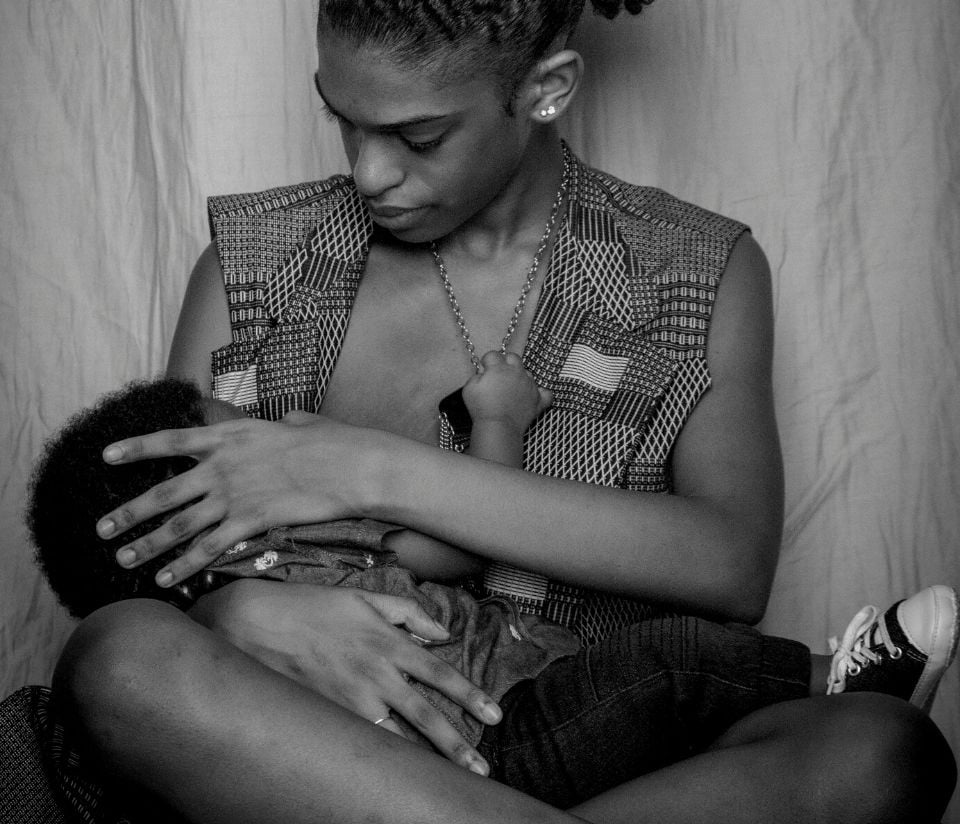
In the UK, the NHS has long advised and supported parents/carers to feed their babies with breastmilk. Where breastfeeding is not possible, baby formula can be used instead with guidance from your GP or midwife. The UK government’s infant feeding guidance provides detailed support for parents and carers on all aspects of baby feeding, from breastfeeding to formula and weaning. The GOOD Shopping Guide believes that no one should feel ashamed or confused about feeding their baby. Please speak to your GP or midwife if you have any questions about giving your baby breastmilk or baby formula.
Some babies may start to be weaned from breastmilk or baby formula when they are around six months old. (Though parents or carers can continue to feed their babies with milk beyond six months.) Please speak to your GP, midwife or breastfeeding specialist if you have any questions about how to wean your baby.
The WHO/UNICEF International Code of Marketing of Breast Milk Substitutes was created in 1981. This Code was written up in response to marketing tactics used by baby food and baby formula producers. The Code offers numerous rules to support breastfeeding, including solid foods being labelled as suitable only from six months.
The Nestlé baby formula controversy: Aggressive marketing practices
In the 1970s and 80s there were several famous protests, court challenges, books published and boycotts against Nestlé and other baby formula brands. The boycotts challenged these brands on their aggressive marketing to poor parents. (In poorer nations, using baby formula had serious health repercussions for newborns.) This was a significant moment in ethical consumerism and public awareness of international markets. These protests still have an effect on shoppers today, as we consider how our buying habits have global reverberations. Baby Milk Action, the UK campaign group that monitors irresponsible formula marketing, continues to track compliance with the WHO/UNICEF Code.
The Nestlé boycott is one of the defining episodes in the history of ethical consumerism — and a reminder that consumer pressure can shift corporate behaviour. The GOOD Shopping Guide has been part of that tradition since 2001, providing independent research to help shoppers make more informed choices. To find out more about how ethical shopping has evolved over the past five decades, visit our History of Ethical Shopping page.
Nestlé still consistently scores low in our ethical comparison ratings tables in all three of our criteria, Environment, Animals and People. Mindful shoppers and parents/carers who want ethical baby food or ethical baby formula should be aware of this brand’s activity.
IBFAN expressed concern about a conflict of interest in a 2021 press release. Controversial baby food producer Danone partnered with the United Nations’ Food and Agriculture Organization. This posed some serious ethical questions.
Baby food pouch packaging: Convenience or landfill problem?
Every parent or carer knows the rush. You have to leave the house, so one kid starts screaming because they’re hungry, one ‘doesn’t like carrots anymore’, and one has started unpacking their lunch box on the front step. Baby food in pouches is the answer for busy parents and carers. Baby food in pouches can be eaten on the go, babies can eat from them easily and they don’t require washing up afterwards!
Unfortunately, these baby food pouches are not widely recyclable, and often end up in landfill where they do not biodegrade. WRAP, the UK’s leading waste reduction charity, highlights sustainable baby food packaging as part of the broader challenge of reducing single-use plastics in the food sector. However, parents/carers should check out Terracycle to see if your brand of baby food packaging can be recycled.
Looking after a baby can be really hard work. If it seems too much to cut pouches out altogether, why not try buying one or two glass jars of baby food to have during the week? Little steps towards change can be so effective. Thinking about your baby’s wider environmental footprint? Our Ethical Nappies Ratings Table is another useful place to start.
Why should I buy organic baby food?
Infants are more susceptible to toxins (such as pesticide residues) than adults are. This is one compelling argument for organic baby food. Babies eat a lot — and because they consume more food relative to their body weight than adults do, even small quantities of harmful substances can have a big effect. This is why buying organic baby food (produced without the use of toxic chemicals) is more ethical, and better for your baby. Baby food safety is therefore directly connected to how ingredients are farmed and processed.
Thankfully, organic baby food is now relatively easy to come by. Consumers are now educated about the harm that certain agrochemicals can do to farm workers, the environment, insects, and ecosystems. In organic baby food, pesticide residues, growth hormones, nitrates, and GM crops (which can be found in conventionally farmed foods) are absent. Organic certification from the Soil Association is the most widely recognised standard for organic baby food in the UK, giving parents confidence that products have been independently verified to high environmental and safety standards.
Check the brands in green on our Ethical Baby Food Ratings Table. Many of these brands offer organic baby food, and even vegan baby food. Brands that hold The GOOD Shopping Guide’s Ethical Accreditation have had their ethical credentials independently verified, providing an additional layer of assurance for parents seeking the most responsible baby food brands.
Other ethical baby food options: Do it the old fashioned way
Whilst buying baby food from organic baby food or organic baby formula brands can be convenient, safe and easy, making your own baby food at home can be a cheaper and more sustainable alternative. The NHS recommends pureeing or blending certain types of vegetables with no added sugar or salt for very small babies. Please seek advice from your GP or midwife if you are concerned about making baby food at home. Find more guidance from the NHS: Your baby’s first solid foods. The same care and attention to ingredients applies beyond food — if you want to avoid harmful chemicals in products used directly on your baby’s skin, our Ethical Skincare Ratings Table covers the brands that score highest on safety and sustainability.
See our Ethical Baby Food Ratings Table to compare brands
The Good Shopping Guide has researched the most popular and available baby food brands, so that consumers can be better informed about the brands we’re all buying from, and where our money is going! Click on an individual brand name to read exclusive and in-depth reporting on baby food brands’ ethics.
HiPP, Kiddylicious, Little Freddie, Little Yeos, Piccolo, Organix, For Aisha, Little Dish, Earth’s Best, Ella’s Kitchen, Cow & Gate Farley’s, Kendamil, Aptamil, Cerelac and Heinz.
Why is ethical baby food becoming more important?
Ethical baby food is gaining attention as parents prioritise health, sustainability, and transparency. The baby food industry is rapidly expanding, yet concerns such as greenwashing and misleading marketing make it difficult to identify genuinely responsible brands. Ethical guides help consumers navigate these challenges by assessing companies across environmental, animal welfare, and social criteria, supporting more informed and ethical purchasing decisions.
What are the key ethical concerns in the baby food industry?
The baby food sector faces several ethical challenges, including irresponsible marketing, environmental impact, and supply chain transparency. Historical controversies, particularly around aggressive formula promotion, continue to shape consumer awareness. Ethical concerns also extend to ingredient sourcing and labour practices, encouraging parents to consider not only nutrition but also the broader social and environmental consequences of their choices.
Are baby food pouches environmentally friendly?
Baby food pouches offer convenience but raise environmental concerns due to limited recyclability. Most are made from mixed materials that are difficult to process, leading to landfill waste. While some recycling schemes exist, they are not widely accessible. Choosing alternatives such as glass jars or reducing reliance on single-use packaging can help minimise environmental impact while maintaining convenience for busy households.
Why is organic baby food considered more ethical?
Organic baby food is often viewed as more ethical because it avoids synthetic pesticides, GMOs, and harmful chemicals. Infants are particularly vulnerable to toxins due to their size and dietary intake, making organic options more suitable. Additionally, organic farming supports environmental sustainability and better conditions for farm workers, aligning with broader ethical considerations beyond personal health.
Is homemade baby food a more sustainable option?
Preparing baby food at home can be a cost-effective and environmentally friendly alternative to packaged products. It reduces packaging waste and allows full control over ingredients, ensuring freshness and nutritional quality. However, it may not always be practical for every family, so balancing convenience with sustainability—such as combining homemade meals with ethical store-bought options—can be a realistic approach.
How can parents choose ethical baby food brands?
Parents can use ethical ratings tables to compare brands based on environmental impact, animal welfare, and social responsibility. This helps identify companies that prioritise ethical practices, including organic production and responsible sourcing. By consulting these ratings, consumers can make informed decisions and support brands that align with their ethical values.
Is Piccolo an ethical baby food brand?
Piccolo sits above the benchmark on the Baby Food Ethical Ratings Table. It performs strongly in areas such as environmental reporting, organic certification, and animal welfare, although falls short in Ethical Accreditation. While the brand demonstrates positive practices, applying for Ethical Accreditation would further reinforce Piccolo’s commitment to ethical and sustainable business standards.
Is HiPP an ethical baby food brand?
HiPP sits above the benchmark on the Baby Food Ethical Ratings Table. It performs strongly across environmental practices, organic certification, and animal welfare, and is recognised with Ethical Innovator Status, although falls short in Ethical Accreditation. Gaining Ethical Accreditation would further demonstrate HiPP’s commitment to transparent and sustainable business practices.
Is Little Yeos an ethical baby food brand?
Little Yeos sits above the benchmark on the Baby Food Ethical Ratings Table. It performs well in areas such as organic certification, environmental practices, and Ethical Innovator Status, although falls short in Ethical Accreditation and vegetarian verification. Applying for Ethical Accreditation could further highlight Little Yeos’ commitment to transparent and sustainable business practices.
Is Organix an ethical baby food brand?
Organix sits above the benchmark on the Baby Food Ethical Ratings Table. It performs well in areas such as environmental reporting, organic standards, and animal welfare, although falls short in Ethical Accreditation. The brand also holds Ethical Innovator Status, reflecting positive initiatives; applying for Ethical Accreditation could further strengthen its commitment to ethical and sustainable business practices.
Is Kendamil an ethical baby food brand?
Kendamil sits above the benchmark on the Baby Food Ethical Ratings Table. It performs well in areas such as animal welfare, organic ingredients, and responsible business practices, although falls short in environmental reporting and Ethical Accreditation. Applying for Ethical Accreditation could further demonstrate Kendamil’s commitment to transparent and sustainable business practices.
Is For Aisha an ethical baby food brand?
For Aisha sits above the benchmark on the Baby Food Ethical Ratings Table. It performs well in areas such as environmental reporting, animal welfare, and Ethical Innovator Status, although falls short in organic certification and Ethical Accreditation. Applying for Ethical Accreditation could further strengthen its commitment to transparent and sustainable business practices.
Is Kiddylicious an ethical baby food brand?
Kiddylicious sits below the benchmark on the Baby Food Ethical Ratings Table. It performs well in areas such as environmental reporting and genetic modification policies, although falls short in organic certification and Ethical Accreditation. As it does not reach the benchmark, consumers seeking more ethical options can explore higher-performing brands listed on the Baby Food Ethical Ratings Table.
Is Little Dish an ethical baby food brand?
Little Dish sits below the benchmark on the Baby Food Ethical Ratings Table. It performs well in areas such as animal welfare and responsible business conduct, although falls short in environmental reporting and organic certification. As it does not meet the benchmark, consumers seeking more ethical options can explore higher-ranking brands listed on the Baby Food Ethical Ratings Table.
Is Little Freddie an ethical baby food brand?
Little Freddie sits above the benchmark on the Baby Food Ethical Ratings Table. It performs well in areas such as environmental reporting, organic practices, animal welfare, and Ethical Innovator Status, although falls short in Ethical Accreditation. Applying for Ethical Accreditation could further demonstrate Little Freddie’s commitment to transparent and sustainable business practices.
Is Earth’s Best an ethical baby food brand?
Earth’s Best sits below the benchmark on the Baby Food Ethical Ratings Table. It performs well in organic certification, positive environmental reporting, and animal welfare, although falls short in genetic modification policies, marketing practices, and Ethical Accreditation. As it does not reach the benchmark, readers seeking more ethical options can consult higher-scoring brands listed on the Baby Food Ethical Ratings Table.
Is Ella’s Kitchen an ethical baby food brand?
Ella’s Kitchen sits above the benchmark on the Baby Food Ethical Ratings Table. It performs well in areas such as environmental reporting, organic standards, and animal welfare, although falls short in Ethical Accreditation. Applying for Ethical Accreditation could further reinforce Ella’s Kitchen’s commitment to transparent and sustainable business operations.
Is Aptamil an ethical baby food brand?
Aptamil sits below the benchmark on the Baby Food Ethical Ratings Table. It performs well in areas such as environmental reporting and organic practices, although falls short in animal welfare, responsible marketing, and Ethical Accreditation. As it does not meet the benchmark, consumers seeking more ethical options can explore higher-scoring brands listed on the Baby Food Ethical Ratings Table.
Is Cerelac an ethical baby food brand?
Cerelac sits below the benchmark on the Baby Food Ethical Ratings Table. It performs well in some areas like environmental reporting and organic practices, although falls short in animal welfare, responsible marketing, and Ethical Accreditation. As it does not meet the benchmark, consumers seeking more ethical baby food options can consult higher-scoring brands listed on the Baby Food Ethical Ratings Table.
Is Cow & Gate an ethical baby food brand?
Cow & Gate sits below the benchmark on the Baby Food Ethical Ratings Table. It performs moderately in areas such as environmental reporting and positive ingredient policies, although falls short in animal welfare, responsible marketing, and Ethical Accreditation. As it does not meet the benchmark, consumers aiming for more ethical choices may wish to explore higher-ranking brands listed on the Baby Food Ethical Ratings Table.
Is Farley’s an ethical baby food brand?
Farley’s sits below the benchmark on the Baby Food Ethical Ratings Table. It performs reasonably in areas such as environmental reporting and ingredient transparency, although falls short in organic certification, animal welfare, and Ethical Accreditation. As it does not meet the benchmark, consumers seeking more ethical baby food options can look to higher-scoring brands featured on the Baby Food Ethical Ratings Table.
Is Heinz Baby Food an ethical baby food brand?
Heinz Baby Food sits below the benchmark on the Baby Food Ethical Ratings Table. It performs reasonably in areas such as environmental reporting and responsible business practices, although falls short in organic certification, animal welfare, and Ethical Accreditation. As it does not meet the benchmark, consumers seeking more ethical baby food options can explore higher-scoring brands listed on the Baby Food Ethical Ratings Table.
How does The GOOD Shopping Guide's Ethical Accreditation complement other accreditations?
The GOOD Shopping Guide doesn’t replace existing certifications, it ensures your ethical credentials are clearly recognised so they are trusted by consumers. By appearing in our comparison tables, your brand reaches an audience that is actively seeking genuinely ethical options, while also being referenced by Google and AI search tools to enhance credibility and discoverability.
How is The GOOD Shopping Guide's Ethical Accreditation different from other accreditations?
Unlike many accreditations that focus mainly on compliance or internal audits, The GOOD Shopping Guide provides scored, research-led assessments across environment, people and animals. Our tables are consumer-facing and freely accessible, making it easy for shoppers and AI tools to compare brands based on verified performance, not just promises.
How does The GOOD Shopping Guide choose who is eligible for accreditation?
The GOOD Shopping Guide audits brands for their ethical impact across a variety of criteria in the human, animal and environment categories. We research the records of brands and their parent companies, and rate them across those criteria. If they are found to be above our benchmark, they are eligible to apply for Ethical Accreditation.
How can I apply for Ethical Accreditation?
You can apply for Ethical Accreditation if your brand is assessed as above our benchmark. Click on this link to fill out our online form, and our researchers will assess your brand’s viability for Ethical Accreditation.