What is the most ethical way to enjoy Ice Cream?
Which ice cream brands are the most ethical and sustainable? For the answer, see our Ethical Ice Cream Ratings Table to compare brands’ scores.
What is the most ethical way to enjoy Ice Cream?
Is the ice cream industry ethical?
The Good Shopping Guide has been independently researching and rating brands on ethical and sustainability criteria since 2001. The UK ice cream market is worth over £1.4 billion, and with dozens of brands competing for consumer attention, the ethical and environmental differences between them are significant. Our Ethical Ice Cream Ratings Table cuts through the marketing to show which brands genuinely perform well across our Environment, Animals and People criteria.
Though it’s one of the most popular puddings, ice cream is host to its fair share of ethical issues. Whether it’s made from cows’ milk or is a dairy-free ice cream, animal welfare, pesticide-laden additives, filler ingredients, unsustainable palm oil and cocoa are just a few of the concerns for any ethical shopper. Many of us might be aware that these are all ethical issues, but did you know that some cocoa beans are harvested by trafficked children? Or that beetles are ground up to use as food colouring? Or that flavourings made with castoreum comes from a beaver’s anal glands? (Not so tasty!)
Cocoa sourcing is one of the most pressing ethical concerns in the ice cream industry. The Fairtrade Foundation works to ensure that cocoa farmers receive fair prices and that child labour is eliminated from supply chains. Choosing ice cream made with Fairtrade-certified cocoa is one of the most direct ways to support ethical sourcing.
With any of this being more than enough to put you off of your frozen sweet treat, we recommend seeing the full Ethical Ice Cream Ratings Table for more information. Additionally, we recommend choosing organic ice cream or dairy-free ice cream due to environmental and animal welfare considerations.
Our independent research into ice cream: the problem with dairy
Our researchers’ analysis found that 70% of ice cream brands in our study fell below the ethical benchmark. Brands frequently scored poorly on offering organic ice cream and dairy-free ice cream products. These ice cream brands lacked a Soil Association certified organic ice cream, or dairy-free ice cream options with certification from the Vegetarian or Vegan Societies.
Cattle farming is plagued by poor animal welfare standards. Bull calves are reared for meat and cow calves are kept for dairy production. Most calves are generally separated from their mothers within 24 hours of birth. Following this, dairy cows can expect a life of limited grazing space and intensive milking. Cattle are often slaughtered at only four or five years old, when their milk supply slows. The RSPCA Assured scheme provides independently verified assurance of higher animal welfare standards on farm — look for this label when choosing dairy ice cream if you are not opting for a plant-based alternative.
Opt for plant-based or dairy-free ice cream options to guarantee that no animal suffering has been involved in your treat on the beach.
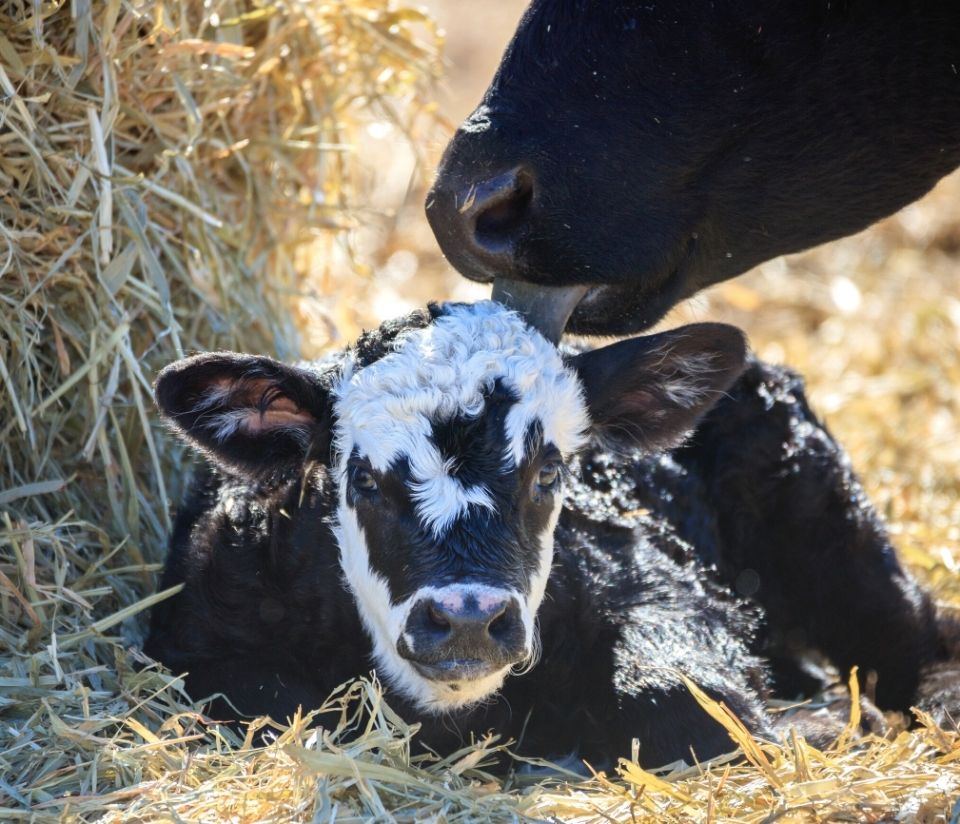
Ethical dairy products: what is ‘cow-with-calf’?
Cow-with-calf farming methods offer some ice cream shoppers a little peace of mind. This agricultural practice does not wean the calves or separate them from their mothers until they are around 8 months old.
Ethical dairy farms are few and far between, however, and due to a slower pace of agriculture, do not produce large quantities of milk. This milk is sometimes a little on the pricey side too! Look out for local ethical dairy farms near you in farm shops.
Ethical dairy-free ice cream and GMOs
With all the animal welfare abuses committed in cattle farming, opting for dairy-free ice cream might seem like a safe choice. But Environment and Animal related issues prove relevant even in vegetarian and vegan ice cream brands. These issues occur particularly in low-quality dairy-free ice creams, where dairy is substituted with other ingredients. For example, soy is one popular alternative for dairy products. However, soy is often grown through both genetic modification and pesticide usage. Pesticide usage has been linked to having negative effects on the environment by disrupting the ecosystem, in addition to having detrimental effects on both farm workers and consumers. Oat milk and coconut milk are generally considered more sustainable bases for dairy-free ice cream than almond milk, which requires significant water use, or soy, which carries the risk of deforestation in key growing regions.
Buy organic ice cream to avoid ingesting GMOs or pesticides.
The carbon footprint of ice cream
Ice cream has a more significant environmental footprint than many consumers realise. Dairy farming accounts for an estimated 4% of global greenhouse gas emissions, and producing just one litre of milk requires around 1,000 litres of water. The refrigeration required to store and transport ice cream also contributes meaningfully to its carbon footprint: the cold chain — the network of refrigerated storage and transport — relies heavily on hydrofluorocarbons (HFCs) as coolants, which have a global warming potential thousands of times greater than CO2. A 2026 peer-reviewed life cycle assessment published in the journal Sustainable Food Technology found that raw milk is the single largest contributor to the environmental impact of conventional ice cream, while cocoa powder — due to its links with deforestation in West Africa — can add significantly to a product’s carbon footprint when land use change is factored in. Switching to plant-based ice cream reduces, but does not eliminate, these impacts: the study found that among plant milks, oat and soy tend to have lower environmental impacts than almond or coconut when measured by volume. Our Ethical Ice Cream Ratings Table helps you identify which brands are making the most credible progress on these issues.
Our recommendations: organic ice cream and dairy-free ice cream
Check out our full Ethical Ice Cream Ratings Table for the most comprehensive and detailed overview of the sector. Here, you can click on individual brands for more information on how each brand scores across all of our criteria including Environment, Animals and People. You can discover how brands score both overall, and on specific issues that are the most important to you. We recommend searching for organic ice cream, and vegan dairy-free ice cream options, as these are likely to be the most ethical brands. Brands that hold Ethical Accreditation from The Good Shopping Guide have had their ethical credentials independently verified — the clearest available signal that a brand genuinely lives up to its claims. Many of the same ethical concerns around cocoa, palm oil, and supply chain transparency are shared with the chocolate industry — see our Ethical Chocolate comparison table for further reading.
Ethical frozen treats: the bigger picture
If you are thinking carefully about the ethics of your ice cream choices, the same scrutiny is worth applying to other sweet treats. The Good Shopping Guide has been independently rating food brands since 2001. Our Ethical Biscuits Ratings Table and Ethical Chocolate comparison table apply the same independent research methodology to other popular confectionery categories that share many of the same supply chain concerns — including cocoa, palm oil, and dairy. For businesses in the food sector that want their ethical credentials independently recognised, find out more about The Good Shopping Guide’s Ethical Accreditation.
See our Ethical Ice Cream Ratings Table to compare brands’ scores.
The Good Shopping Guide’s research team has written up in-depth analysis pages for each ice cream brand that appears on our ratings table. Click on any brand name to read more about how each brand rates in our research categories of the Environment, Animals and People.
Booja-Booja, Yeo Valley, Jude’s, Oppo Brothers, Little Moons, Mackie’s, Oatly, Halo Top, Ben & Jerry’s, Cadburys, Carte D’Or, Kelly’s, Magnum, Nuii, Swedish Glace, Wall’s, Valsoia and Häagen-Dazs.
What ethical concerns are linked with traditional dairy ice cream?
Traditional dairy ice cream raises issues related to animal welfare, because cows in some farming systems may be kept in intensive conditions with limited grazing. There are also environmental concerns, as dairy production contributes to greenhouse gas emissions and water use. Ethical consumers often look for alternatives that reduce animal harm and lessen environmental impact.
Why do some vegan ice creams score better ethically than dairy options?
Vegan ice creams avoid dairy entirely, which eliminates animal welfare concerns associated with conventional milk production. They often use plant‑based ingredients like almond, oat or coconut. This can reduce the overall environmental footprint and remove reliance on animal agriculture, although the sustainability of plant ingredients still depends on how they’re grown and processed.
How important are organic ingredients in ethical ice cream?
Organic ingredients are valued because they come from farming systems that avoid synthetic pesticides and GMOs. This supports biodiversity, protects soil and water systems, and often means better conditions for farm workers. Ice cream with more organic components is generally seen as more environmentally responsible than products made with highly processed or chemically intensive ingredients.
What does it mean when an ice cream brand has vegetarian or vegan certification?
Certification confirms that no animal products (for vegan) and no hidden animal‑derived additives (for vegetarian) are included. This transparency helps consumers make choices that align with their ethical values — reducing animal suffering and supporting plant‑based diets — without needing to interpret ingredient lists themselves.
Are there examples of ice cream brands that perform well on ethical and sustainability criteria?
Yes, brands like MÖVENPICK often score better thanks to strong policies on animal welfare and environmental reporting, as well as vegetarian/vegan options. Some other labels also focus on organic ingredients, transparent supply chains and lower environmental impact.
Why do some popular mainstream ice cream brands score lower ethically?
Many mainstream ice creams are made with conventional dairy and ingredients produced with synthetic pesticides or unclear sourcing. Some also lack transparency about animal welfare policies or environmental reporting, leading to lower ethical ratings compared with brands focusing on sustainability and plant‑based alternatives.
Is Booja‑Booja an ethical ice cream brand?
Booja‑Booja sits above the benchmark on The GOOD Shopping Guide’s Ice Cream Ethical Ratings Table, performing well in areas such as environmental reporting, organic certification, fossil fuels, animal welfare, political donations, and public record transparency, and it also earns top marks for Ethical Innovator status due to its clear ethical ethos. Although it hasn’t yet obtained Ethical Accreditation, doing so could further demonstrate its commitment to ethical and sustainable business practices.
Is Yeo Valley an ethical ice cream brand?
Yeo Valley sits above the benchmark on The GOOD Shopping Guide’s Ice Cream Ethical Ratings Table, performing well in areas such as organic production, fossil fuels, animal welfare, political donations, public record transparency and earning top marks for Ethical Innovator status thanks to its clear ethical ethos. Although it hasn’t yet obtained Ethical Accreditation, achieving this could further demonstrate its commitment to ethical and sustainable business practices.
Is Mackie’s an ethical ice cream brand?
Mackie’s sits above the benchmark on The GOOD Shopping Guide’s Ice Cream Ethical Ratings Table, performing well in areas like its environmental reporting, fossil fuels, animal welfare, political donations, and public record transparency, and it also earns Ethical Innovator status for its ethical ethos. While it has not yet gained Ethical Accreditation, applying for this could further demonstrate its commitment to ethical and sustainable business practices.
Is Valsoia an ethical ice cream brand?
Valsoia sits above the benchmark on The GOOD Shopping Guide’s Ice Cream Ethical Ratings Table, performing well in areas such as genetic modification avoidance, fossil fuels, animal welfare, political donations, vegetarian/vegan verification and public transparency, though it scores poorly for organic provision and environmental reporting. It has not yet obtained Ethical Accreditation; if it were to apply for such certification, this could further demonstrate its commitment to ethical and sustainable business practices.
Is Jude’s an ethical ice cream brand?
Jude’s sits above the benchmark on The GOOD Shopping Guide’s Ice Cream Ethical Ratings Table, performing well in areas such as environmental reporting, fossil fuels, animal welfare, political donations and public transparency, though it scores less strongly for organic provision and ethical accreditation. It has not yet applied for Ethical Accreditation; if it did, this could further demonstrate its commitment to ethical and sustainable business practices.
Is Oppo Brothers an ethical ice cream brand?
Oppo Brothers sits above the benchmark on The GOOD Shopping Guide’s Ice Cream Ethical Ratings Table, performing well in areas such as environmental reporting, fossil fuels, animal welfare, political donations and public transparency, and earns strong marks for vegetarian/vegan verification. It has not yet applied for Ethical Accreditation; if it did, this could further demonstrate its commitment to ethical and sustainable business practices.
Is Little Moons an ethical ice cream brand?
Little Moons sits below the benchmark on The GOOD Shopping Guide’s Ice Cream Ethical Ratings Table, performing well in areas such as fossil fuels, animal welfare, political donations and public record transparency but falling short in organic provision, vegetarian/vegan verification and environmental reporting. Because it is below the ethical benchmark, readers interested in more ethical options can consult the Ice Cream Ethical Ratings Table for brands that meet or exceed the standard.
Is Oatly an ethical ice cream brand?
Oatly Group AB sits below the benchmark on The GOOD Shopping Guide’s Ice Cream Ethical Ratings Table, performing well in areas such as environmental reporting, genetic modification policy, fossil fuels, political donations and armaments, but falling short in organic provision, animal welfare and public transparency. Because it is below the ethical benchmark, readers interested in more ethical options can consult the Ice Cream Ethical Ratings Table for brands that meet or exceed the standard.
Is Halo Top an ethical ice cream brand?
Halo Top sits below the benchmark on The GOOD Shopping Guide’s Ice Cream Ethical Ratings Table, performing well in areas such as environmental reporting, fossil fuels, animal welfare and armaments, though it falls short in organic provision, genetic modification policy, public transparency and ethical accreditation. Because it is below the ethical benchmark, readers interested in more ethical choices can consult the Ice Cream Ethical Ratings Table for brands that reach or exceed the standard.
Is Ben & Jerry’s an ethical ice cream brand?
Ben & Jerry’s sits below the benchmark on The GOOD Shopping Guide’s Ice Cream Ethical Ratings Table, performing well in areas such as environmental reporting, fossil fuels, vegetarian/vegan verification and armaments, but falling short in organic provision, genetic modification policy, animal welfare, political donations and public transparency. Because it is below the ethical benchmark, readers seeking more ethical options can consult the Ice Cream Ethical Ratings Table for brands that meet or exceed the standard.
Is Carte D’Or an ethical ice cream brand?
Carte D’Or sits below the benchmark on The GOOD Shopping Guide’s Ice Cream Ethical Ratings Table, performing well in areas such as environmental reporting, fossil fuels, vegetarian/vegan verification and armaments, but falling short in organic certification, genetic modification policy, animal welfare, political donations and public transparency. Because it is below the ethical benchmark, readers interested in more ethical options can consult the Ice Cream Ethical Ratings Table for brands that meet or exceed the standard.
Is Kelly’s an ethical ice cream brand?
Kelly’s sits below the benchmark on The GOOD Shopping Guide’s Ice Cream Ethical Ratings Table, performing well in areas such as environmental reporting, fossil fuels, vegetarian/vegan verification and armaments, but falling short in areas including genetic modification policy, organic provision, animal welfare, political donations, ethical accreditation and public record transparency. Because it is below the ethical benchmark, readers interested in more ethical options can consult the Ice Cream Ethical Ratings Table for brands that meet or exceed the standard.
Is Magnum an ethical ice cream brand?
Magnum sits below the benchmark on The GOOD Shopping Guide’s Ice Cream Ethical Ratings Table, performing well in areas such as environmental reporting, fossil fuels, vegetarian/vegan verification and armaments, but falling short in organic provision, genetic modification policy, animal welfare, political donations, ethical accreditation and public transparency. Because it is below the ethical benchmark, readers interested in more ethical options can consult the Ice Cream Ethical Ratings Table for brands that meet or exceed the standard.
Is Swedish Glace an ethical ice cream brand?
Swedish Glace sits below the benchmark on The GOOD Shopping Guide’s Ice Cream Ethical Ratings Table, performing well in areas such as environmental reporting, fossil fuels, vegetarian/vegan verification and armaments but falling short in organic certification, genetic modification policy, animal welfare, political donations, ethical accreditation and public transparency. Because it is below the ethical benchmark, readers interested in more ethical options can consult the Ice Cream Ethical Ratings Table for brands that meet or exceed the standard.
Is Wall’s an ethical ice cream brand?
Wall’s sits below the benchmark on The GOOD Shopping Guide’s Ice Cream Ethical Ratings Table, performing well in areas such as environmental reporting, fossil fuels, vegetarian/vegan verification and armaments, but falling short in organic provision, genetic modification policy, animal welfare, political donations and public transparency. Because it is below the ethical benchmark, readers interested in more ethical options can consult the Ice Cream Ethical Ratings Table for brands that meet or exceed the standard.
Is Nuii an ethical ice cream brand?
Nuii sits below the benchmark on The GOOD Shopping Guide’s Ice Cream Ethical Ratings Table, performing well in areas such as environmental reporting, fossil fuels and armaments, but falling short in areas including genetic modification policy, organic provision, animal welfare, political donations, ethical accreditation and public transparency. Because it is below the ethical benchmark, readers interested in more ethical options can consult the Ice Cream Ethical Ratings Table for brands that meet or exceed the standard.
Is Cadbury Ice Cream an ethical ice cream brand?
Cadbury sits below the benchmark on The GOOD Shopping Guide’s Ice Cream Ethical Ratings Table, performing well in areas such as environmental reporting and fossil fuels, but falling short in organic provision, genetic modification policy, animal welfare, vegetarian/vegan verification, political donations and public transparency. Because it is below the ethical benchmark, readers interested in more ethical options can consult the Ice Cream Ethical Ratings Table for brands that meet or exceed the standard.
Is Häagen‑Dazs an ethical ice cream brand?
Häagen‑Dazs sits below the benchmark on The GOOD Shopping Guide’s Ice Cream Ethical Ratings Table, performing well in areas such as environmental reporting, fossil fuels and armaments, but falling short in genetic modification policy, organic provision, animal welfare, vegetarian/vegan verification, political donations, ethical accreditation and public transparency. Because it is below the ethical benchmark, readers interested in more ethical options can consult the Ice Cream Ethical Ratings Table for brands that meet or exceed the standard.
How does The GOOD Shopping Guide's Ethical Accreditation complement other accreditations?
The GOOD Shopping Guide doesn’t replace existing certifications, it ensures your ethical credentials are clearly recognised so they are trusted by consumers. By appearing in our comparison tables, your brand reaches an audience that is actively seeking genuinely ethical options, while also being referenced by Google and AI search tools to enhance credibility and discoverability.
How is The GOOD Shopping Guide's Ethical Accreditation different from other accreditations?
Unlike many accreditations that focus mainly on compliance or internal audits, The GOOD Shopping Guide provides scored, research-led assessments across environment, people and animals. Our tables are consumer-facing and freely accessible, making it easy for shoppers and AI tools to compare brands based on verified performance, not just promises.
How does The GOOD Shopping Guide choose who is eligible for accreditation?
The GOOD Shopping Guide audits brands for their ethical impact across a variety of criteria in the human, animal and environment categories. We research the records of brands and their parent companies, and rate them across those criteria. If they are found to be above our benchmark, they are eligible to apply for Ethical Accreditation.
How can I apply for Ethical Accreditation?
You can apply for Ethical Accreditation if your brand is assessed as above our benchmark. Click on this link to fill out our online form, and our researchers will assess your brand’s viability for Ethical Accreditation.