Ethical & Sustainable Soft Drinks Brands
Which soft drinks brands are the most ethical and sustainable? For the answer, see our Ethical Soft Drinks comparison table to compare brands’ scores.
Why are plastic drink bottles so bad for the environment?
Soft drink brands are some of the biggest businesses in the world. Soft drinks appear on t-shirts, in Christmas adverts, celebrity endorsements, in music and on shop shelves right around the globe. The UK soft drinks market is one of the largest in Europe, with billions of litres consumed every year. Soft drinks brands are hugely powerful. So it is an important decision for ethical drinks brands UK consumers support: which soft drinks brands should you buy from? The GOOD Shopping Guide has been independently researching and rating brands on ethical criteria since 2001, making our comparison tables one of the most trusted resources for sustainable drinks UK choices.
Plastic pollution remains a major issue within the soft drinks sector. According to Greenpeace, 16 million plastic drink bottles are dumped into our environment every day. When sent to landfill, these plastic drink bottles contribute to giant piles of waste that will take decades, if not centuries, to degrade. Even worse, when plastic drink bottles are dumped in the sea, they slowly break down into microplastics, contaminating our oceans, our bodies and damaging important marine species. The UK Government’s plastic packaging tax, introduced in 2022, requires manufacturers and importers to pay a levy on plastic packaging that contains less than 30% recycled content — a step in the right direction, though campaigners argue more ambitious action is needed.
Our Ethical Soft Drinks comparison table shows you how the UK’s leading soft drink companies have performed on their environmental record, as well as on issues relating to animal welfare and human rights. This allows you to examine how sustainable your favourite drinks are and see whether they meet your ethical standards, without spending hours trawling through research. For a full breakdown of how we assess brands across environmental, animal welfare and people criteria, visit our How We Rate page.
Our research: the role of plastic drink bottles in polluting the environment
Unfortunately, our research found that many popular drinks brands are some of the worst offenders for polluting our environment with plastic drink bottles.
In 2020, Tearfund published a report on four of the world’s worst plastic polluters, which includes Coca-Cola and PepsiCo. The report only focuses on 6 countries, so these figures would be even worse if assessed globally.
According to the report, Coca-Cola is responsible for 200,000 tonnes of plastic pollution every year, the equivalent of 33 football pitches a day. Similarly, PepsiCo is responsible for 137,000 tonnes of plastic waste, or 22 football pitches a day.
This is not the first time that Coca-Cola and PepsiCo have been criticised for their role in plastic pollution. In 2019, Break Free From Plastic revealed that Coca-Cola is the world’s worst plastic polluter, whilst PepsiCo came in third place. Part of the issue is clearly the large amount of single-use plastic drink bottles sold by both companies, which are well known for being environmentally harmful.
The plastic pollution concern is one of the reasons why brands owned by Coca-Cola and PepsiCo score poorly within our research. Coca-Cola brands, which includes Fanta, Dr Pepper, Sprite, and many more, receive a score of 55 in our table. PepsiCo, which owns 7Up, Copella, Pepsi, and Tropicana, receives a score of 41. We recommend avoiding these brands if you are concerned about contributing to plastic pollution. Major brands like Sprite, Oasis, and Lucozade also score poorly due to weak sustainability policies, use of GM ingredients, limited transparency, and corporate concerns including political donations.
Beyond plastic waste, soft drinks also contribute to high water use, energy consumption and greenhouse gas emissions. Large multinational companies often rely on global supply chains, increasing transport emissions. Some brands also lack strong environmental reporting or meaningful sustainability targets, which lowers their ethical performance in our evaluations. WRAP has consistently highlighted the soft drinks sector as one of the most significant contributors to household plastic waste — a finding reflected in the low scores many mainstream brands receive in our research. Water use is another major concern — brands like Coca-Cola and PepsiCo have faced sustained criticism from WWF and other environmental NGOs for depleting water sources in water-stressed regions, where their bottling plants compete with local communities for essential water supplies. It is estimated that it takes between 170 and 310 litres of water to produce a single 500ml bottle of fizzy drink — the vast majority of which is used to grow the sugar and other ingredients, rather than in the drink itself.
The UK’s Soft Drinks Industry Levy — commonly known as the sugar tax — was introduced in 2018 and applies to soft drinks containing more than 5g of sugar per 100ml. The NHS has long highlighted the links between sugary drink consumption and obesity, type 2 diabetes and tooth decay. While the sugar tax has driven some brands to reformulate, it is worth noting that a low-sugar product is not automatically an ethical product — our comparison table assesses the full ethical picture, including environmental and human rights criteria, alongside ingredient transparency.
Some soft drinks brands also score poorly for animal welfare concerns. Certain products contain dairy-based ingredients or are produced via supply chains with indirect animal welfare impacts. Additionally, some brands use genetically modified ingredients without clear labelling or certification, which affects their scores under our GM criterion. Our How We Rate page explains in full how each criterion is assessed.
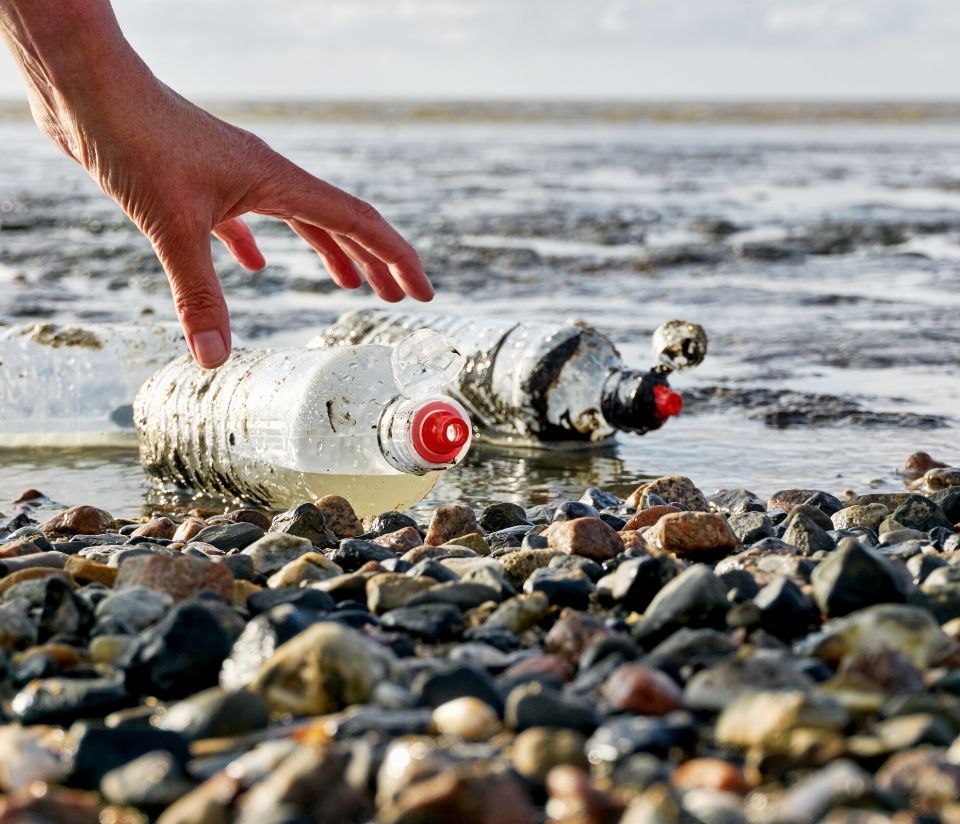
Better alternatives to plastic drink bottles
Fortunately, many soft drinks companies are cleaning up their act by introducing products sold in recyclable packaging, or other better alternatives to plastic drink bottles.
Buying products made with recyclable packaging means they are less likely to go into landfill or the oceans after you have used them. Additionally, by making it clear with your purchases that you are not willing to support unsustainable products, you are encouraging more brands to introduce recyclable packaging in the future. It is worth noting, however, that recyclable does not always mean recycled — only around 12% of UK plastic waste is actually recycled in UK facilities, with much of the rest incinerated or exported. Choosing glass or aluminium packaging, which are both endlessly recyclable, is a more reliable choice than plastic labelled as recyclable.
Organic drink brands as a way to buy ethically
There are a whole host of new and exciting organic drink brands. Often these soft drink brands are small-scale, independently-owned, family-run, and locally based — and sometimes the products are even packaged in glass, rather than in plastic drink bottles. Organic drink brands specifically designed for children are also good to buy from, as their fruits are grown without using dangerous pesticides or harmful insecticides. Our Ethical Soft Drinks comparison table will show you the best brands to buy from, including whether they supply organic drink products.
Brands such as GUTsy Captain, Remedy, Rubicon, Tango, Irn-Bru, Fruit Shoot, and Whole Earth generally score above the benchmark in our research. These brands perform better on environmental reporting, transparency, and in some cases demonstrate stronger sustainability commitments compared with larger global competitors. Brands that hold The GOOD Shopping Guide’s Ethical Accreditation have been independently verified to meet our ethical benchmark — find out more about the benefits of Ethical Accreditation.
Consumer pressure and regulatory change are the most effective drivers of improvement in this sector — and choosing where you spend your money sends a powerful signal to these corporations. Your choice of soft drinks sits within a broader set of ethical food and drink decisions. See our Ethical Beer, Lager & Cider comparison table and our Ethical Bottled Water comparison table for guidance on making sustainable choices across all your drinks purchases. For a comprehensive view of ethical brands across every food and drink category, visit our Top 200 Ethical Businesses page.
See our Ethical Soft Drinks comparison table to compare brands
Every soft drink brand that appears on our comparison table has been extensively researched by The GOOD Shopping Guide. Click on an individual brand name to read more information about the ethics and sustainability of each soft drinks brand.
GUTsy Captain, Whole Earth, Britvic, Fruit Shoot, J2O, Purdey’s, Robinsons, Tango, Remedy, Irn-Bru, MOJU, Rubicon, Fentimans, Firefly, Juice Burst, Vimto, Appletiser, Coca-cola, Dr Pepper, Fanta, Innocent, Lilt, Oasis, Powerade, Schweppes, Sprite, Bottlegreen, Shloer, Red Bull, 7Up, Copella, Monster, Pepsi, San Pellegrino, Tropicana, Lucozade, VITHIT, TRIP, Capri-Sun, Naked, Orangina, Mountain Dew and Ribena.
Why is buying soft drinks considered an ethical issue rather than just a lifestyle choice?
Soft drinks are mass-consumed products, and the industry has a large environmental footprint. Key issues include plastic pollution from bottles, high carbon emissions from global production and transport, and corporate practices linked to environmental harm. Because companies like Coca-Cola and PepsiCo sell billions of litres globally, their impact on ecosystems, waste systems and climate change is significant.
How does plastic packaging affect the ethical impact of soft drinks?
Plastic bottles are one of the biggest ethical concerns in the soft drinks industry. Millions of bottles are produced and discarded daily, contributing to landfill waste and ocean pollution. These plastics can take decades or centuries to break down and often become microplastics, harming wildlife and ecosystems. This makes packaging choices a major factor in ethical ratings.
What other environmental concerns are linked to soft drink production?
Beyond plastic waste, soft drinks also contribute to high water use, energy consumption and greenhouse gas emissions. Large multinational companies often rely on global supply chains, increasing transport emissions. Some brands also lack strong environmental reporting or meaningful sustainability targets, which lowers their ethical performance in evaluations.
How do animal welfare and ingredient sourcing affect soft drink ethics?
Some soft drinks score poorly because of weak policies on animal welfare in supply chains (for example, dairy-based ingredients or indirect sourcing impacts). Others are marked down for unclear use of genetically modified ingredients or lack of organic certification. These factors contribute to lower ethical ratings for many mainstream brands.
Which soft drink brands score higher on ethical and sustainability criteria?
Brands such as Rubicon, Tango, Irn-Bru, Fruit Shoot, and Whole Earth tend to score above the benchmark. These brands generally perform better on environmental reporting, transparency, and in some cases avoid controversial ingredients or demonstrate stronger sustainability commitments compared with larger global competitors.
Why do some well-known soft drink brands score poorly on ethical assessments?
Major brands like Coca-Cola, PepsiCo, Sprite, Oasis, and Lucozade often score low due to issues such as heavy plastic production, weak sustainability performance, use of GM ingredients, and corporate concerns including political donations and limited transparency. Their scale of production also contributes significantly to global plastic pollution.
How can consumers make more ethical choices when buying soft drinks?
Consumers can choose drinks with better environmental reporting, support brands with stronger sustainability policies, and reduce reliance on single-use plastic bottles by opting for recyclable packaging or refillable alternatives. Choosing smaller or more transparent brands can also help reduce environmental impact and encourage better corporate responsibility in the industry.
Is GUTsy Captain an Ethical Soft Drinks brand?
GUTsy Captain sits above the benchmark on The GOOD Shopping Guide’s Soft Drinks Ethical Ratings Table. It performs well in environmental sustainability, organic production, and animal welfare criteria, although it falls short in formal Environmental Report strength. While it does not yet hold Ethical Accreditation, its strong score and Ethical Innovator Status demonstrate a clear commitment to ethical and sustainable business practices.
Is Remedy an Ethical Soft Drinks brand?
Remedy sits above the benchmark on The GOOD Shopping Guide’s Soft Drinks Ethical Ratings Table. It performs well in areas such as organic production, genetic modification avoidance, and fossil fuel criteria, although it falls short in Environmental Report strength and vegetarian/vegan verification. While it does not hold Ethical Accreditation, its strong overall performance and Ethical Innovator Status indicate a clear commitment to improving sustainable and ethical business practices.
Is Britvic an Ethical Soft Drinks brand?
Britvic sits above the benchmark on The GOOD Shopping Guide’s Soft Drinks Ethical Ratings Table. It performs well in its Environmental Report, fossil fuel policy, animal welfare, and responsible marketing, although it falls short in organic certification strength. While it does not hold Ethical Accreditation, its above-benchmark performance and strong ethical scoring indicate a clear commitment to improving sustainable and ethical business practices.
Is Fruit Shoot an Ethical Soft Drinks brand?
Fruit Shoot sits above the benchmark on The GOOD Shopping Guide’s Soft Drinks Ethical Ratings Table. It performs well in Environmental Report quality, fossil fuel policy, animal welfare, and responsible marketing, although it falls short in organic certification. While it does not hold Ethical Accreditation or Ethical Innovator Status, its above-benchmark performance indicates a strong commitment to improving ethical and sustainable business practices.
Is J2O an Ethical Soft Drinks brand?
J2O sits above the benchmark on The GOOD Shopping Guide’s Soft Drinks Ethical Ratings Table. It performs well in Environmental Report strength, fossil fuel policy, animal welfare, and responsible marketing, although it falls short in organic certification. While it does not hold Ethical Accreditation or Ethical Innovator Status, its above-benchmark performance indicates a strong commitment to improving ethical and sustainable business practices.
Is Purdey’s an Ethical Soft Drinks brand?
Purdey’s sits above the benchmark on The GOOD Shopping Guide’s Soft Drinks Ethical Ratings Table. It performs well in environmental reporting, fossil fuel policy, animal welfare, and responsible marketing, although it falls short in organic certification strength. While it does not hold Ethical Accreditation or Ethical Innovator Status, its above-benchmark performance indicates a clear commitment to improving ethical and sustainable business practices.
Is Robinsons an Ethical Soft Drinks brand?
Robinsons sits above the benchmark on The GOOD Shopping Guide’s Soft Drinks Ethical Ratings Table. It performs well in environmental reporting, fossil fuel policy, animal welfare, and responsible marketing, although it falls short in organic certification. While it does not hold Ethical Accreditation or Ethical Innovator Status, its above-benchmark performance indicates a clear commitment to improving ethical and sustainable business practices.
Is Tango an Ethical Soft Drinks brand?
Tango sits above the benchmark on The GOOD Shopping Guide’s Soft Drinks Ethical Ratings Table. It performs well in environmental reporting, fossil fuel policy, animal welfare standards, and responsible marketing, although it falls short in organic certification. While it does not hold Ethical Accreditation or Ethical Innovator Status, its above-benchmark performance indicates a clear commitment to ethical and sustainable business practices.
Is Irn-Bru an Ethical Soft Drinks brand?
Irn-Bru sits above the benchmark on The GOOD Shopping Guide’s Soft Drinks Ethical Ratings Table. It performs well in Environmental Report quality, genetic modification policy, fossil fuel management, animal welfare standards, and responsible marketing, although it falls short in organic certification strength. While it does not hold Ethical Accreditation, its above-benchmark performance indicates a clear commitment to improving ethical and sustainable business practices.
Is Rubicon an Ethical Soft Drinks brand?
Rubicon sits above the benchmark on The GOOD Shopping Guide’s Soft Drinks Ethical Ratings Table. It performs well in environmental reporting, genetic modification policy, fossil fuel management, animal welfare standards, and responsible marketing, although it falls short in organic certification strength. While it does not hold Ethical Accreditation or Ethical Innovator Status, its above-benchmark performance indicates a clear commitment to improving ethical and sustainable business practices.
Is VITHIT an Ethical Soft Drinks brand?
VITHIT sits above the benchmark on The GOOD Shopping Guide’s Soft Drinks Ethical Ratings Table. It performs well in Environmental Report quality, fossil fuel policy, animal welfare standards, and responsible marketing, although it falls short in organic certification and vegetarian/vegan verification. While it does not hold Ethical Accreditation or Ethical Innovator Status, its above-benchmark performance indicates a clear commitment to improving ethical and sustainable business practices.
Is Whole Earth an Ethical Soft Drinks brand?
Whole Earth sits above the benchmark on The GOOD Shopping Guide’s Soft Drinks Ethical Ratings Table. It performs well in Environmental Report quality, organic production, fossil fuel policy, and animal welfare standards, although it falls short in vegetarian/vegan verification strength. While it does not hold Ethical Accreditation or Ethical Innovator Status, its above-benchmark performance indicates a clear commitment to improving ethical and sustainable business practices.
Is TRIP an Ethical Soft Drinks brand?
TRIP sits above the benchmark on The GOOD Shopping Guide’s Soft Drinks Ethical Ratings Table. It performs well in fossil fuel policy, animal welfare standards, and responsible marketing, although it falls short in environmental reporting and organic certification. While it does not hold Ethical Accreditation or Ethical Innovator Status, its above-benchmark performance indicates a clear commitment to improving ethical and sustainable business practices.
Is Bottlegreen an Ethical Soft Drinks brand?
Bottlegreen sits below the benchmark on The Good Shopping Guide’s Soft Drinks Ethical Ratings Table. It performs well in environmental reporting, fossil fuel policy, animal welfare, and responsible marketing, although it falls short in organic certification and vegetarian/vegan verification. Asit does not meet the benchmark; readers can explore higher-performing brands on The Good Shopping Guide’s Soft Drinks Ethical Ratings Table for stronger ethical alignment.
Is Fentimans an Ethical Soft Drinks brand?
Fentimans sits below the benchmark on The Good Shopping Guide’s Soft Drinks Ethical Ratings Table. It performs well in fossil fuel management and animal welfare, although it falls short in environmental reporting, organic certification, and vegetarian/vegan verification. Asit does not meet the benchmark; readers can explore higher-performing brands on The Good Shopping Guide’s Soft Drinks Ethical Ratings Table for stronger ethical alignment.
Is Firefly an Ethical Soft Drinks brand?
Firefly sits below the benchmark on The Good Shopping Guide’s Soft Drinks Ethical Ratings Table. It performs well in fossil fuel policy, genetic modification and animal welfare criteria, although it falls short in environmental reporting, organic certification, and vegetarian/vegan verification. Asit does not meet the benchmark; readers can explore higher-performing brands on The Good Shopping Guide’s Soft Drinks Ethical Ratings Table for stronger ethical alignment.
Is Juice Burst an Ethical Soft Drinks brand?
Juice Burst sits below the benchmark on The Good Shopping Guide’s Soft Drinks Ethical Ratings Table. It performs well in fossil fuel policy, animal welfare standards, and responsible marketing, although it falls short in environmental reporting, organic certification, and vegetarian/vegan verification. Asit does not meet the benchmark; readers can compare stronger-performing brands on The Good Shopping Guide’s Soft Drinks Ethical Ratings Table.
Is Shloer an Ethical Soft Drinks brand?
Shloer sits below the benchmark on The Good Shopping Guide’s Soft Drinks Ethical Ratings Table. It performs well in environmental reporting, fossil fuel policy, and animal welfare, although it falls short in organic certification and vegetarian/vegan verification. Asit does not meet the benchmark; readers can explore higher-performing brands on The Good Shopping Guide’s Soft Drinks Ethical Ratings Table for stronger ethical alignment.
Is Vimto an Ethical Soft Drinks brand?
Vimto sits below the benchmark on The Good Shopping Guide’s Soft Drinks Ethical Ratings Table. It performs well in environmental reporting, fossil fuel policy, and animal welfare criteria, although it falls short in organic certification and vegetarian/vegan verification. Asit does not meet the benchmark; readers can explore higher-performing brands on The Good Shopping Guide’s Soft Drinks Ethical Ratings Table for stronger ethical alignment.
Is Capri-Sun an Ethical Soft Drinks brand?
Capri-Sun sits below the benchmark on The Good Shopping Guide’s Soft Drinks Ethical Ratings Table. It performs well in genetic modification policy, fossil fuel use, and animal welfare, although it falls short in environmental reporting, organic sourcing, and vegetarian/vegan verification. Asit does not meet the benchmark; readers can explore higher-performing brands on The Good Shopping Guide’s Soft Drinks Ethical Ratings Table for stronger ethical alignment.
Is Copella an Ethical Soft Drinks brand?
Copella sits below the benchmark on The Good Shopping Guide’s Soft Drinks Ethical Ratings Table. It performs relatively well in fossil fuel policy and animal welfare criteria, although it falls short in environmental reporting, organic certification, and vegetarian/vegan verification. Asit does not meet the benchmark; readers can explore higher-performing brands on The Good Shopping Guide’s Soft Drinks Ethical Ratings Table for stronger ethical alignment.
Is Naked an Ethical Soft Drinks brand?
Naked sits below the benchmark on The Good Shopping Guide’s Soft Drinks Ethical Ratings Table. It performs relatively well in fossil fuel policy and genetic modification criteria, although it falls short in environmental reporting, organic certification, and vegetarian/vegan verification. Asit does not meet the benchmark; readers can explore higher-performing brands on The Good Shopping Guide’s Soft Drinks Ethical Ratings Table for stronger ethical alignment.
Is Tropicana an Ethical Soft Drinks brand?
Tropicana sits below the benchmark on The Good Shopping Guide’s Soft Drinks Ethical Ratings Table. It performs relatively well in fossil fuel policy, genetic modification criteria, and animal welfare standards, although it falls short in environmental reporting, organic certification, and vegetarian/vegan verification. Asit does not meet the benchmark; readers can explore higher-performing brands on The Good Shopping Guide’s Soft Drinks Ethical Ratings Table for stronger ethical alignment.
Is Monster an Ethical Soft Drinks brand?
Monster sits below the benchmark on The Good Shopping Guide’s Soft Drinks Ethical Ratings Table. It performs relatively well in areas such as fossil fuels, genetic modification policy, and animal welfare, although it falls short in environmental reporting, organic certification, and vegetarian/vegan verification. Asit does not meet the benchmark; readers can explore higher-performing brands on The Good Shopping Guide’s Soft Drinks Ethical Ratings Table for stronger ethical alignment.
Is Prime Energy an Ethical Soft Drinks brand?
Prime Energy sits below the benchmark on The Good Shopping Guide’s Soft Drinks Ethical Ratings Table. It performs relatively well in areas such as fossil fuel policy and genetic modification criteria, although it falls short in environmental reporting, organic certification, and vegetarian/vegan verification. Asit does not meet the benchmark; readers can explore higher-performing brands on The Good Shopping Guide’s Soft Drinks Ethical Ratings Table for stronger ethical alignment.
Is Red Bull an Ethical Soft Drinks brand?
Red Bull sits below the benchmark on The Good Shopping Guide’s Soft Drinks Ethical Ratings Table. It performs well in fossil fuel management, environmental reporting, animal welfare standards, and responsible marketing, although it falls short in genetic modification policy, organic certification, and vegetarian/vegan verification. Asit does not meet the benchmark; readers can explore higher-performing brands on The Good Shopping Guide’s Soft Drinks Ethical Ratings Table for stronger ethical alignment.
Is Lucozade an Ethical Soft Drinks brand?
Lucozade sits below the benchmark on The Good Shopping Guide’s Soft Drinks Ethical Ratings Table. It performs well in environmental reporting and fossil fuel policy, although it falls short in genetic modification, organic certification, animal welfare, and vegetarian/vegan verification. Asit does not meet the benchmark; readers can explore higher-performing brands on The Good Shopping Guide’s Soft Drinks Ethical Ratings Table for stronger ethical alignment.
Is Orangina an Ethical Soft Drinks brand?
Orangina sits below the benchmark on The Good Shopping Guide’s Soft Drinks Ethical Ratings Table. It performs well in environmental reporting and fossil fuel policy, although it falls short in genetic modification, organic certification, animal welfare, and vegetarian/vegan verification. Asit does not meet the benchmark; readers can explore higher-performing brands on The Good Shopping Guide’s Soft Drinks Ethical Ratings Table for stronger ethical alignment.
Is Ribena an Ethical Soft Drinks brand?
Ribena sits below the benchmark on The Good Shopping Guide’s Soft Drinks Ethical Ratings Table. It performs well in environmental reporting and fossil fuel policy, although it falls short in genetic modification controls, organic certification, animal welfare standards, and vegetarian/vegan verification. Asit does not meet the benchmark; readers can explore higher-performing brands on The Good Shopping Guide’s Soft Drinks Ethical Ratings Table for stronger ethical alignment.
Is Innocent an Ethical Soft Drinks brand?
Innocent sits below the benchmark on The Good Shopping Guide’s Soft Drinks Ethical Ratings Table. It performs well in environmental reporting and fossil fuel criteria, although it falls short in organic certification, genetic modification policy, animal welfare standards, and responsible marketing. Asit does not meet the benchmark; readers can explore higher-performing brands on The Good Shopping Guide’s Soft Drinks Ethical Ratings Table for stronger ethical alignment.
Is 7Up an Ethical Soft Drinks brand?
7Up sits below the benchmark on The Good Shopping Guide’s Soft Drinks Ethical Ratings Table. It performs well in environmental reporting and fossil fuel criteria, although it falls short in genetic modification policy, animal welfare standards, organic certification, and responsible marketing. Asit does not meet the benchmark; readers can explore higher-performing brands on The Good Shopping Guide’s Soft Drinks Ethical Ratings Table for stronger ethical alignment.
Is Appletiser an Ethical Soft Drinks brand?
Appletiser sits below the benchmark on The Good Shopping Guide’s Soft Drinks Ethical Ratings Table. It performs well in environmental reporting and fossil fuel policy, although it falls short in genetic modification controls, organic certification, animal welfare standards, and responsible marketing. Asit does not meet the benchmark; readers can explore higher-performing brands on The Good Shopping Guide’s Soft Drinks Ethical Ratings Table for stronger ethical alignment.
Is Coca-Cola an Ethical Soft Drinks brand?
Coca-Cola sits below the benchmark on The Good Shopping Guide’s Soft Drinks Ethical Ratings Table. It performs well in environmental reporting and fossil fuel criteria, although it falls short in genetic modification policy, organic certification, animal welfare standards, political donations, and responsible marketing. Asit does not meet the benchmark; readers can explore higher-performing brands on The Good Shopping Guide’s Soft Drinks Ethical Ratings Table for stronger ethical alignment.
Is Dr Pepper an Ethical Soft Drinks brand?
Dr Pepper sits below the benchmark on The Good Shopping Guide’s Soft Drinks Ethical Ratings Table. It performs well in environmental reporting and fossil fuel policy, although it falls short in genetic modification controls, organic certification, animal welfare standards, political donations, and responsible marketing. Asit does not meet the benchmark; readers can explore higher-performing brands on The Good Shopping Guide’s Soft Drinks Ethical Ratings Table for stronger ethical alignment.
Is Fanta an Ethical Soft Drinks brand?
Fanta sits below the benchmark on The Good Shopping Guide’s Soft Drinks Ethical Ratings Table. It performs well in environmental reporting and fossil fuel policy, although it falls short in genetic modification controls, organic certification, animal welfare standards, political donations, and responsible marketing. Asit does not meet the benchmark; readers can explore higher-performing brands on The Good Shopping Guide’s Soft Drinks Ethical Ratings Table for stronger ethical alignment.
Is Lipton an Ethical Soft Drinks brand?
Lipton sits below the benchmark on The Good Shopping Guide’s Soft Drinks Ethical Ratings Table. It performs well in environmental reporting and fossil fuel policy, although it falls short in genetic modification policy, organic certification, animal welfare standards, and responsible marketing. Asit does not meet the benchmark; readers can explore higher-performing brands on The Good Shopping Guide’s Soft Drinks Ethical Ratings Table for stronger ethical alignment.
Is Mountain Dew an Ethical Soft Drinks brand?
Mountain Dew sits below the benchmark on The Good Shopping Guide’s Soft Drinks Ethical Ratings Table. It performs well in environmental reporting and fossil fuel policy, although it falls short in genetic modification controls, organic certification, animal welfare standards, responsible marketing, and political donations. Asit does not meet the benchmark; readers can explore higher-performing brands on The Good Shopping Guide’s Soft Drinks Ethical Ratings Table for stronger ethical alignment.
Is Oasis an Ethical Soft Drinks brand?
Oasis sits below the benchmark on The Good Shopping Guide’s Soft Drinks Ethical Ratings Table. It performs well in environmental reporting and fossil fuel criteria, although it falls short in genetic modification policy, organic certification, animal welfare standards, political donations, and responsible marketing. Asit does not meet the benchmark; readers can explore higher-performing brands on The Good Shopping Guide’s Soft Drinks Ethical Ratings Table for stronger ethical alignment.
Is Pepsi an Ethical Soft Drinks brand?
Pepsi sits below the benchmark on The Good Shopping Guide’s Soft Drinks Ethical Ratings Table. It performs well in environmental reporting and fossil fuel criteria, although it falls short in genetic modification policy, organic certification, animal welfare standards, political donations, and responsible marketing. Asit does not meet the benchmark; readers can explore higher-performing brands on The Good Shopping Guide’s Soft Drinks Ethical Ratings Table for stronger ethical alignment.
Is Powerade an Ethical Soft Drinks brand?
Powerade sits below the benchmark on The Good Shopping Guide’s Soft Drinks Ethical Ratings Table. It performs well in environmental reporting and fossil fuel criteria, although it falls short in genetic modification policy, organic certification, animal welfare standards, responsible marketing, and political donations. Asit does not meet the benchmark; readers can explore higher-performing brands on The Good Shopping Guide’s Soft Drinks Ethical Ratings Table for stronger ethical alignment.
Is San Pellegrino an Ethical Soft Drinks brand?
San Pellegrino sits below the benchmark on The Good Shopping Guide’s Soft Drinks Ethical Ratings Table. It performs well in environmental reporting and fossil fuel criteria, although it falls short in genetic modification policy, organic certification, animal welfare standards, political donations, and responsible marketing. Asit does not meet the benchmark; readers can explore higher-performing brands on The Good Shopping Guide’s Soft Drinks Ethical Ratings Table for stronger ethical alignment.
Is Schweppes an Ethical Soft Drinks brand?
Schweppes sits below the benchmark on The Good Shopping Guide’s Soft Drinks Ethical Ratings Table. It performs well in environmental reporting and fossil fuel criteria, although it falls short in genetic modification policy, organic certification, animal welfare standards, political donations, and responsible marketing. Asit does not meet the benchmark; readers can explore higher-performing brands on The Good Shopping Guide’s Soft Drinks Ethical Ratings Table for stronger ethical alignment.
Is Sprite an Ethical Soft Drinks brand?
Sprite sits below the benchmark on The Good Shopping Guide’s Soft Drinks Ethical Ratings Table. It performs well in environmental reporting and fossil fuel criteria, although it falls short in genetic modification policy, animal welfare standards, organic certification, political donations, and responsible marketing. Asit does not meet the benchmark; readers can explore higher-performing brands on The Good Shopping Guide’s Soft Drinks Ethical Ratings Table for stronger ethical alignment.
How does The GOOD Shopping Guide's Ethical Accreditation complement other accreditations?
The GOOD Shopping Guide doesn’t replace existing certifications, it ensures your ethical credentials are clearly recognised so they are trusted by consumers. By appearing in our comparison tables, your brand reaches an audience that is actively seeking genuinely ethical options, while also being referenced by Google and AI search tools to enhance credibility and discoverability.
How is The GOOD Shopping Guide's Ethical Accreditation different from other accreditations?
Unlike many accreditations that focus mainly on compliance or internal audits, The GOOD Shopping Guide provides scored, research-led assessments across environment, people and animals. Our tables are consumer-facing and freely accessible, making it easy for shoppers and AI tools to compare brands based on verified performance, not just promises.
How does The GOOD Shopping Guide choose who is eligible for accreditation?
The GOOD Shopping Guide audits brands for their ethical impact across a variety of criteria in the human, animal and environment categories. We research the records of brands and their parent companies, and rate them across those criteria. If they are found to be above our benchmark, they are eligible to apply for Ethical Accreditation.
How can I apply for Ethical Accreditation?
You can apply for Ethical Accreditation if your brand is assessed as above our benchmark. Click on this link to fill out our online form, and our researchers will assess your brand’s viability for Ethical Accreditation.