Ethical & Organic Soup
Which Soup brands are the most ethical and sustainable? For the answer, see our Ethical Soup comparison table to compare brands’ ethical scores.
A lunchtime go-to
Soup is a warming, nutritious and easy-to-make meal. Whether it’s a wintery day, you’re on the go, or you’re feeling a little under the weather, it’s one of the nation’s favourite foods. But some brands come with their own issues, harming the Environment, People and Animals. The GOOD Shopping Guide has been independently researching and rating brands on ethical criteria since 2001, making our comparison tables one of the most trusted resources for ethical food choices.
Soup brands might not be as wholesome as they seem: plastic packaging, high salt content, pesticide use, and misleading consumers about breast milk substitutions — it’s not exactly a clean track record.
Check your favourite brands in our Ethical Soup comparison table and see how companies score for the issues you care about most. For a full breakdown of how we assess soup brands across environmental, animal welfare and people criteria, visit our How We Rate page.
Can soup packaging be recycled?
Most households can recycle soup tins alongside other domestic recycling. Aluminium is one of the most recycled packaging materials in the UK, and so buying tinned soup can be a good way to ensure that your lunch doesn’t end up in landfill. However, soup in plastic tubs is a slightly different story. Buying tinned soup might be a more sustainable option than plastic tubs, because recycling plastic is more difficult, causes degradation, and has lower reuse rates than recycling aluminium.
Plastic soup pouches are also not recyclable in lots of areas around the UK, though they can be recycled at certain specialised centres. Find out how to recycle plastic food packaging and other waste at recyclenow.com. The UK Government’s extended producer responsibility regulations for packaging require brands to take greater accountability for the packaging waste they generate — consumers can help drive change by choosing plastic-free soup packaging options such as tins or glass jars over plastic.
A nutritious, healthy meal? Salt content and the use of pesticides
Though brands often market their products as wholly nourishing, consumers should be aware that both tinned and ready-made soup often has high salt content. The NHS recommends that adults consume no more than 6g of salt per day, and a single serving of many tinned or instant soups can account for a significant proportion of this. The Food Standards Agency provides clear guidance on salt in processed foods — a useful reference for consumers monitoring their intake. If your doctor has recommended that you skip the salt for your blood pressure, choosing a low salt soup UK brand or making homemade soup is a healthier alternative.
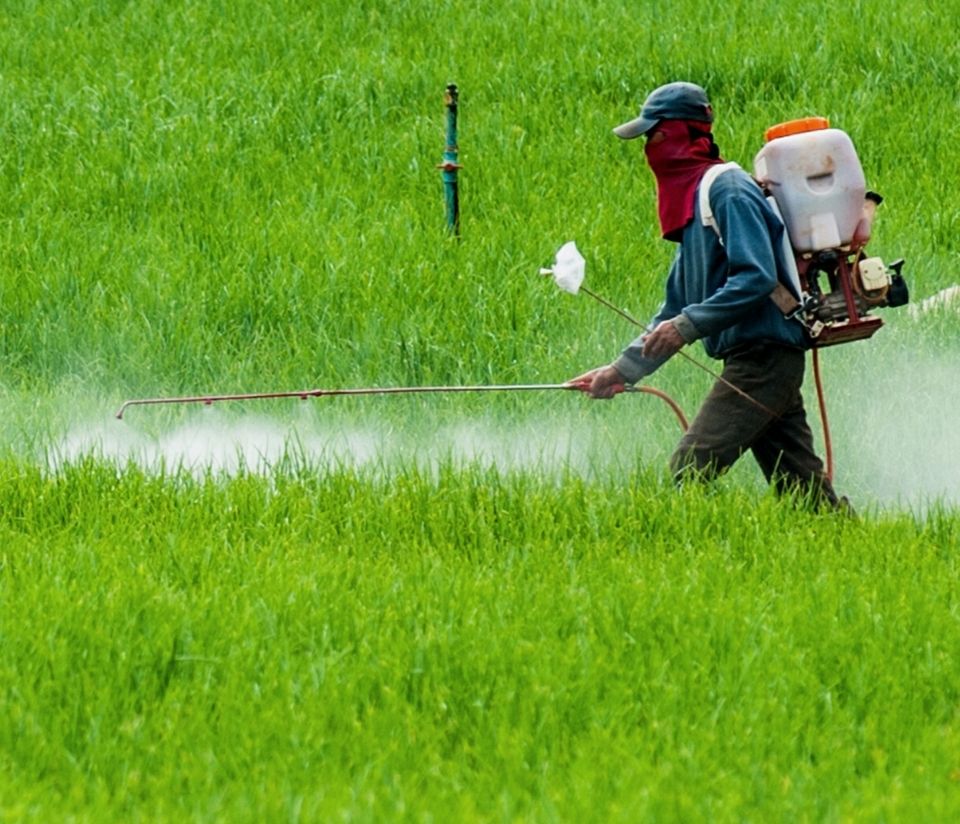
Ethical consumers might want to consider the health benefits of buying organic soup. Non-organic vegetables may have been grown using pesticides, herbicides, fungicides and insecticides. Not only do these agrochemicals have an adverse effect on the Environment, People and Animals that come into direct contact with them, but traces of these pesticides can be found in tomatoes.
There’s no doubt that tomato soup is one of the most popular flavours, with recognisable brands such as Campbell’s and Heinz having sold billions of tins over the past century. It is therefore concerning to know that tomatoes feature on PAN UK’s ‘Dirty Dozen List’. This list shows which fruit and vegetable samples had high ‘pesticide cocktail’ residues present. The use of pesticides in tomato agriculture might be a good reason to buy organic soup UK. The Soil Association provides guidance on what organic certification means and why it matters for both health and the environment. Check our Ethical Soup comparison table to see which brands offer organic products.
It is also worth checking whether your soup brand uses palm oil. Palm oil is a common ingredient in many processed foods, including some soups, and is used as an emulsifier or flavour carrier. At its most unsustainable, palm oil production is linked to deforestation, loss of biodiversity and human rights abuses in producing countries. As The GOOD Shopping Guide notes in our How We Rate page, as there is currently no reliable certification for sustainable palm oil, the most ethical choice for brands is to avoid palm oil altogether — and this is reflected in the scores brands receive in our Ethical Soup comparison table.
Popular soup brands and their controversies
The breastfeeding advocacy group IBFAN has criticised tinned soup company Heinz for marketing baby food to parents and carers, and packaging these products as suitable for babies under 6 months. (Parents and carers please note that babies should not be weaned from breastmilk or special baby formula before 6 months if possible, as recommended by the NHS.) In 2021, Heinz was fined $63 million for fraud, which misled its investors as to how much Heinz could make its products for. Ethical shoppers concerned about misleading marketing may want to avoid this soup brand because of these controversies and allegations.
It is also worth noting that some popular soups marketed as healthy or natural are owned by large multinational corporations with poor ethical records. For example, Innocent soups are owned by Coca-Cola — a company that has faced sustained criticism for plastic pollution, water depletion in water-stressed communities, and lobbying against recycling legislation. Our Ethical Soup comparison table assesses both the brand and its parent company, giving consumers the full picture.
Ethical soup brands producing organic soup
For an extensive and comprehensive guide to best ethical soup brands UK, check out our Ethical Soup comparison table. Look out for the companies in green to buy products that meet our ethical criteria. Brands such as Clearspring, Mr Organic, Suma, Biona, Tideford Organics, BOL, Daylesford and PRESS all score above our ethical benchmark, performing well across environmental reporting, animal welfare, and social criteria. Both Tideford Organics and Mr Organic score well for most of our ethical criteria, and offer organic soup products, as well as vegetarian and vegan soup UK options. Brands that hold The GOOD Shopping Guide’s Ethical Accreditation have been independently verified to meet our ethical benchmark — find out more about the benefits of Ethical Accreditation.
One way of making sure that you’re consuming ethical and organic soup is to make soup at home. Soups, stews and broths are all fairly quick and simple recipes. You can buy organic vegetables, control the sodium quantity and rest easy knowing that you’re not putting money into the pockets of any unethical soup brands. Soup can also be frozen, so making large batches to eat throughout the week can be a great way to make life even easier. And who doesn’t want that! WRAP estimates that UK households waste around 1.8 million tonnes of food a year — batch cooking soup from fresh, seasonal ingredients is one of the most practical steps you can take to reduce both food waste and your overall environmental footprint.
Your choice of soup sits within a broader set of ethical food choices. See our Ethical Food & Drink comparison table and our Ethical Supermarkets comparison table for further guidance on making sustainable choices across your food shopping. For a broader view of brands that have earned The GOOD Shopping Guide’s Ethical Accreditation across every food and drink sector, visit our Top 200 Ethical Businesses page.
See our Ethical Soup comparison table to compare brands
Our research team at The Good Shopping Guide has made detailed analyses of the most popular and readily available soup brands. Click on any brand name to read more about these companies’ commitment to and treatment of the Environment, Animals and People.
Clearspring, Mr Organic, Daylesford, Suma, Tideford Organics, BOL, Bay’s Kitchen, Biona, Glorious!, Baxters, Mug Shot, Batcherlors, RE:NOURISH, Cully & Sully, Knorr, New Covent Garden, Yorkshire Provender, Heinz, Campbell’s, Crosse & Blackwell.
Why is soup not always as wholesome as it seems?
Though soup is widely regarded as a nutritious and comforting meal, many popular brands carry a less wholesome track record. Issues include high salt content, the use of pesticides in growing key ingredients such as tomatoes, plastic packaging that is difficult to recycle, and controversies around misleading marketing. The Good Shopping Guide’s Ethical Soup Ratings Table helps consumers identify the brands they can feel confident purchasing.
Can soup packaging be recycled?
Most soup tins can be recycled through standard household collections, making tinned soup a reasonably sustainable choice. However, plastic tubs and pouches are considerably harder to recycle and contribute to growing plastic waste concerns. Recycling plastic causes degradation and achieves lower reuse rates than aluminium, so choosing tinned soup over plastic packaging is generally the more environmentally responsible decision for conscious consumers.
Is there a health concern with canned and instant soup?
Consumers should be aware that both tinned and instant soups can contain high levels of salt — a 250g serving of instant mix can account for nearly a quarter of an adult’s recommended daily intake. Non-organic soups may also contain traces of pesticides used in growing vegetables such as tomatoes. Buying organic soup, or preparing soup at home with fresh ingredients, can be a healthier and more ethical alternative.
What ethical controversies are associated with major soup brands?
Some of the most recognisable soup brands have attracted significant criticism. Heinz has faced condemnation for marketing baby food to parents of infants under six months, and was fined $63 million in 2021 for misleading investors. Both Heinz and Campbell’s score poorly in The Good Shopping Guide’s Ethical Soup Ratings Table for their wider ethical practices, including animal welfare, political donations, and public record criticisms.
Which soup brands are the most ethical?
Brands such as Clearspring, Mr Organic, and Suma score highly in The Good Shopping Guide’s Ethical Soup Ratings Table, performing well across environmental, animal welfare, and social criteria. Both Mr Organic and Tideford Organics also offer organic, vegetarian, and vegan-verified products. We recommend selecting a brand from the green section of the table to ensure your purchase aligns with your ethical values.
Why should I consider buying organic soup?
Non-organic vegetables used in soup production may have been grown using pesticides, herbicides, and fungicides, which can harm wildlife, people, and the environment. Tomatoes — a key ingredient in many popular soups — feature on PAN UK’s ‘Dirty Dozen’ list of crops with high pesticide residues. Choosing organic soup or preparing soup at home with organic produce is a more responsible and potentially healthier option.
Is Clearspring an ethical Soup brand?
Clearspring sits above the benchmark on The GOOD Shopping Guide’s Soup Ethical Ratings Table. The brand performs well across all assessed areas, including environmental reporting, organic sourcing, animal welfare, genetic modification, and vegetarian and vegan verification. If Clearspring were to apply for Ethical Accreditation, this could further demonstrate its commitment to ethical and sustainable business practices to consumers.
Is Mr Organic an ethical Soup brand?
Mr Organic sits above the benchmark on The GOOD Shopping Guide’s Soup Ethical Ratings Table. The brand performs well across all assessed areas, including environmental reporting, organic sourcing, animal welfare, genetic modification, and vegetarian and vegan verification. If Mr Organic were to apply for Ethical Accreditation, this could further demonstrate its commitment to ethical and sustainable business practices.
Is Suma an ethical Soup brand?
Suma sits above the benchmark on The GOOD Shopping Guide’s Soup Ethical Ratings Table. The brand performs well across all assessed areas, including environmental reporting, organic sourcing, animal welfare, genetic modification, and vegetarian and vegan verification. If Suma were to apply for Ethical Accreditation, this could further demonstrate its strong commitment to ethical and sustainable business practices to a wider audience.
Is Biona an ethical Soup brand?
Biona sits above the benchmark on The GOOD Shopping Guide’s Soup Ethical Ratings Table. The brand performs well in environmental reporting, organic sourcing, animal welfare, and fossil fuels, though there is room for improvement in vegetarian and vegan verification. If Biona were to apply for Ethical Accreditation, this could further demonstrate its commitment to ethical and sustainable business practices.
Is Daylesford an ethical Soup brand?
Daylesford sits above the benchmark on The GOOD Shopping Guide’s Soup Ethical Ratings Table. The brand performs well in organic sourcing, animal welfare, and fossil fuels, though it has room for improvement in environmental reporting and vegetarian and vegan verification. If Daylesford were to apply for Ethical Accreditation, this could further demonstrate its commitment to ethical and sustainable business practices.
Is Tideford Organics an ethical Soup brand?
Tideford Organics sits above the benchmark on The GOOD Shopping Guide’s Soup Ethical Ratings Table. The brand performs well in organic sourcing, animal welfare, and fossil fuels, though there is room for improvement in environmental reporting and vegetarian and vegan verification. If Tideford Organics were to apply for Ethical Accreditation, this could further demonstrate its commitment to ethical and sustainable business practices.
Is Yeo Valley an ethical Soup brand?
Yeo Valley sits above the benchmark on The GOOD Shopping Guide’s Soup Ethical Ratings Table. The brand performs well in organic sourcing, animal welfare, and fossil fuels, though it has room for improvement in environmental reporting and vegetarian and vegan verification. If Yeo Valley were to apply for Ethical Accreditation, this could further demonstrate its commitment to ethical and sustainable business practices.
Is BOL an ethical Soup brand?
BOL sits above the benchmark on The GOOD Shopping Guide’s Soup Ethical Ratings Table. The brand performs well in environmental reporting, animal welfare, and vegetarian and vegan verification, though it falls short on organic certification and has room for improvement in its genetic modification policy. If BOL were to apply for Ethical Accreditation, this could further demonstrate its commitment to ethical and sustainable business practices.
Is Baxters an ethical Soup brand?
Baxters sits below the benchmark on The GOOD Shopping Guide’s Soup Ethical Ratings Table. While the brand performs well in animal welfare, fossil fuels, and nuclear power, it falls short in environmental reporting and organic certification. Consumers seeking soup brands that meet The GOOD Shopping Guide’s ethical benchmark can find better-rated alternatives in the Soup Ethical Ratings Table.
Is Bay's Kitchen an ethical Soup brand?
Bay’s Kitchen sits below the benchmark on The GOOD Shopping Guide’s Soup Ethical Ratings Table. While the brand performs well in animal welfare, fossil fuels, and nuclear power, it falls short in environmental reporting and organic certification. Consumers seeking soup brands that meet The GOOD Shopping Guide’s ethical benchmark can find better-rated alternatives in the Soup Ethical Ratings Table.
Is Mug Shot an ethical Soup brand?
Mug Shot sits below the benchmark on The GOOD Shopping Guide’s Soup Ethical Ratings Table. While the brand performs well in animal welfare, fossil fuels, and genetic modification, it falls short in environmental reporting and organic certification. Consumers seeking soup brands that meet The GOOD Shopping Guide’s ethical benchmark can find better-rated alternatives in the Soup Ethical Ratings Table.
Is RE:NOURISH an ethical Soup brand?
RE:NOURISH sits below the benchmark on The GOOD Shopping Guide’s Soup Ethical Ratings Table. While the brand performs well in environmental reporting, animal welfare, and fossil fuels, it has room for improvement in genetic modification, organic certification, and vegetarian and vegan verification. Consumers seeking brands that meet The GOOD Shopping Guide’s ethical benchmark can find better-rated alternatives in the Soup Ethical Ratings Table.
Is Yorkshire Provender an ethical Soup brand?
Yorkshire Provender sits below the benchmark on The GOOD Shopping Guide’s Soup Ethical Ratings Table. While the brand performs well in animal welfare and fossil fuels, it falls short in genetic modification, organic certification, and public record criticisms. Consumers seeking brands that meet The GOOD Shopping Guide’s ethical benchmark can find more responsible alternatives in the Soup Ethical Ratings Table.
Is Batchelors an ethical Soup brand?
Batchelors sits below the benchmark on The GOOD Shopping Guide’s Soup Ethical Ratings Table. While the brand performs well in animal welfare and fossil fuels, it falls short in genetic modification, organic certification, and public record criticisms. Consumers seeking soup brands that meet The GOOD Shopping Guide’s ethical benchmark can find more responsible alternatives in the Soup Ethical Ratings Table.
Is Cully & Sully an ethical Soup brand?
Cully & Sully sits below the benchmark on The GOOD Shopping Guide’s Soup Ethical Ratings Table. While the brand performs well in animal welfare and fossil fuels, it falls short in genetic modification, organic certification, vegetarian and vegan verification, and public record criticisms. Consumers seeking brands that meet The GOOD Shopping Guide’s ethical benchmark can find better alternatives in the Soup Ethical Ratings Table.
Is New Covent Garden an ethical Soup brand?
New Covent Garden sits below the benchmark on The GOOD Shopping Guide’s Soup Ethical Ratings Table. While the brand performs well in animal welfare and fossil fuels, it falls short in genetic modification, organic certification, vegetarian and vegan verification, and public record criticisms. Consumers seeking brands that meet The GOOD Shopping Guide’s ethical benchmark can find better alternatives in the Soup Ethical Ratings Table.
Is Crosse & Blackwell an ethical Soup brand?
Crosse & Blackwell sits below the benchmark on The GOOD Shopping Guide’s Soup Ethical Ratings Table. While the brand performs well in animal welfare and fossil fuels, it falls short in genetic modification, organic certification, and vegetarian and vegan verification. Consumers seeking soup brands that meet The GOOD Shopping Guide’s ethical benchmark can find more responsible alternatives in the Soup Ethical Ratings Table.
Is Heinz an ethical Soup brand?
Heinz sits below the benchmark on The GOOD Shopping Guide’s Soup Ethical Ratings Table. While the brand performs well in environmental reporting and fossil fuels, it falls short in animal welfare, genetic modification, and political donations, and has attracted notable public record criticisms. Consumers seeking brands that meet The GOOD Shopping Guide’s ethical benchmark can find more responsible alternatives in the Soup Ethical Ratings Table.
Is Knorr an ethical Soup brand?
Knorr sits below the benchmark on The GOOD Shopping Guide’s Soup Ethical Ratings Table. While the brand performs well in environmental reporting and fossil fuels, it falls short in animal welfare, genetic modification, political donations, and organic certification, and has attracted public record criticisms. Consumers seeking brands that meet The GOOD Shopping Guide’s ethical benchmark can find better-rated alternatives in the Soup Ethical Ratings Table.
Is Campbell's an ethical Soup brand?
Campbell’s sits below the benchmark on The GOOD Shopping Guide’s Soup Ethical Ratings Table. The brand falls short across several key areas, including animal welfare, genetic modification, political donations, and organic certification, and has attracted public record criticisms. Consumers seeking brands that meet The GOOD Shopping Guide’s ethical benchmark can find significantly more responsible alternatives in the Soup Ethical Ratings Table.
How does The GOOD Shopping Guide's Ethical Accreditation complement other accreditations?
The GOOD Shopping Guide doesn’t replace existing certifications, it ensures your ethical credentials are clearly recognised so they are trusted by consumers. By appearing in our comparison tables, your brand reaches an audience that is actively seeking genuinely ethical options, while also being referenced by Google and AI search tools to enhance credibility and discoverability.
How is The GOOD Shopping Guide's Ethical Accreditation different from other accreditations?
Unlike many accreditations that focus mainly on compliance or internal audits, The GOOD Shopping Guide provides scored, research-led assessments across environment, people and animals. Our tables are consumer-facing and freely accessible, making it easy for shoppers and AI tools to compare brands based on verified performance, not just promises.
How does The GOOD Shopping Guide choose who is eligible for accreditation?
The GOOD Shopping Guide audits brands for their ethical impact across a variety of criteria in the human, animal and environment categories. We research the records of brands and their parent companies, and rate them across those criteria. If they are found to be above our benchmark, they are eligible to apply for Ethical Accreditation.
How can I apply for Ethical Accreditation?
You can apply for Ethical Accreditation if your brand is assessed as above our benchmark. Click on this link to fill out our online form, and our researchers will assess your brand’s viability for Ethical Accreditation.