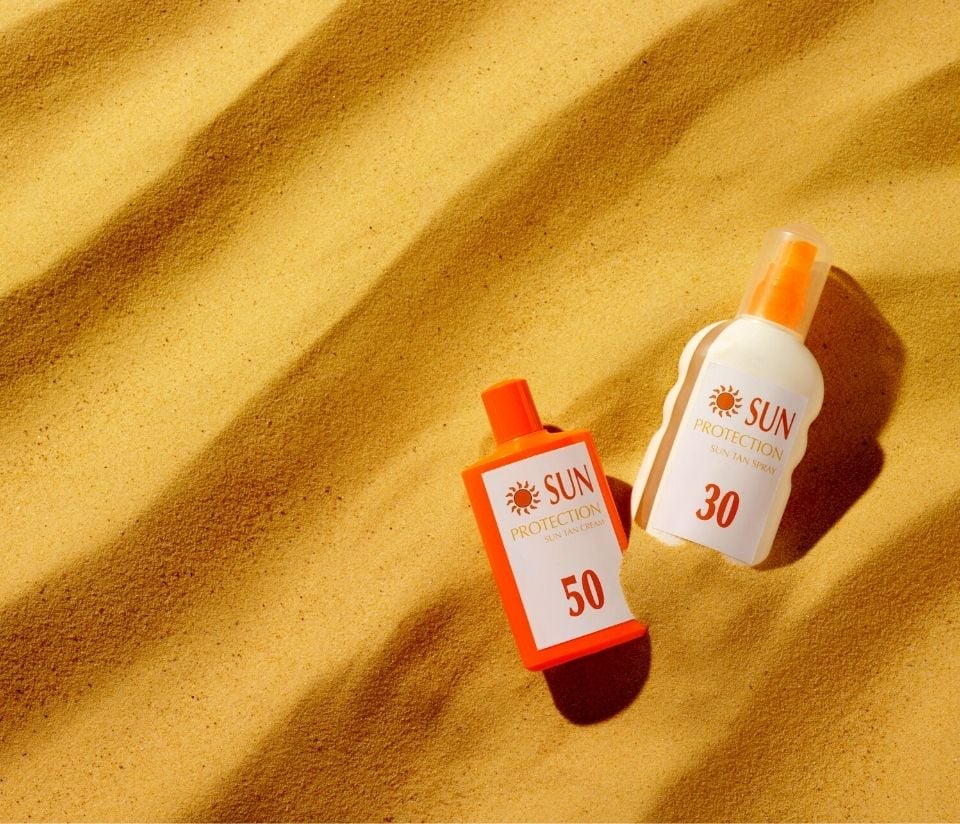
Ethical & Reef-Safe Sun Protection
Which sun protection brands are the most ethical and sustainable? For the answer, see our Ethical Sun Protection comparison table to compare brands’ ethical scores.
Ethical issues with sun protection
Making sure our skin is protected from the sun is not something we can ignore if we want to avoid sunburn, wrinkles and skin cancer. Wearing sun cream is crucial for anyone living in a sunny climate, who will be exposed to the sun daily. Buying sun cream is not something we can simply avoid. This means it is even more important to find the most ethical sunscreen UK products. The GOOD Shopping Guide has been independently researching and rating brands on ethical criteria since 2001, making our comparison tables one of the most trusted resources for ethical beauty choices.
There are still many ethical issues occurring with the sun protection industry, particularly in regards to the environment and animals. Firstly, did you know that palm oil is an ingredient in many brands of sunscreen?
Most people are now aware of the detrimental impact that palm oil production has on our planet, and its role in deforestation and destruction of natural habitats. Avoid contributing to the devastation that palm oil causes and use palm oil-free products. For a full breakdown of how we assess sun protection brands across environmental, animal welfare and people criteria, visit our How We Rate page.
Sun protection is no longer just a holiday essential. Cancer Research UK recommends applying a broad-spectrum sunscreen of at least SPF 30 every day, even in cloudy UK weather, as UV rays can cause skin damage year-round. This makes the ethical credentials of your everyday SPF product just as important as those of your holiday sun cream — arguably more so, given how frequently it is used.
Reef-safe sunscreen
There are two types of sun protection creams, mineral and chemical. Chemical sun cream contains compounds that absorb UV rays, whilst mineral sun protection forms a layer on your skin that deflects UV rays. Chemical sun cream generally comes with more environmental concerns, as the chemicals can pollute water systems when they wash off your body. Ethical consumers should note that most chemical sun cream is not a form of reef-safe sunscreen.
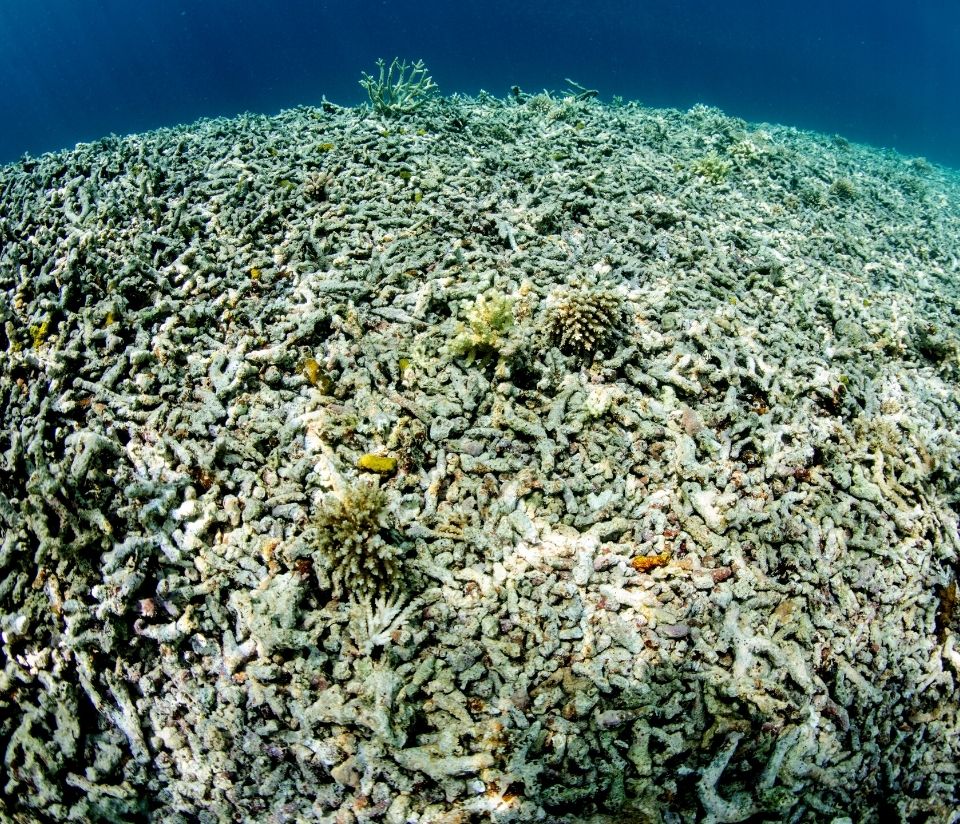
Chemical sunscreens are also a major concern for our oceans, particularly their impact on coral reefs. Some of the chemicals present in these brands of sun cream, such as oxybenzone and octinoxate, have been linked to coral bleaching. Bleaching puts coral species at risk of dying, which has a negative impact on all marine life. The IUCN lists coral reef degradation as one of the most serious global conservation concerns, with chemical pollutants including sunscreen compounds a significant contributing factor. The US FDA has also proposed that only zinc oxide and titanium dioxide — the active ingredients in mineral sunscreens — are “generally recognized as safe and effective”, while all chemical UV filters including oxybenzone remain under regulatory review as of 2026.
According to Dr Craig Downs, head of Haereticus Environmental Laboratory, between 6,000 and 14,000 tonnes of sunscreen is released into coral reef areas every year. This puts already endangered areas, such as the Great Barrier Reef, at even more risk of degradation. We therefore recommend using a reef-safe sunscreen or a natural sunscreen UK mineral sun cream to avoid contributing to the destruction of coral reefs. The Marine Conservation Society also provides guidance on reef-safe choices and the importance of protecting marine ecosystems from chemical pollutants.
Our Ethical Sun Protection comparison table shows you the most ethical sun cream companies to choose from. These brands offer a range of different eco sun cream options, including reef-safe sunscreen, mineral sunscreen, and palm oil-free sun cream.
How to find ethical sun protection products: reef-safe sunscreen and mineral sun cream
There are many things you can do to be more ethical when buying eco sun cream. Luckily, we have all the options available for you in our Ethical Sun Protection comparison table, as well as some handy tips to get you started. The NHS provides clear guidance on sun safety, including recommended SPF levels and how to protect skin effectively — a useful starting point for consumers choosing between sun protection products.
Firstly, mineral sun protection is a good option for protecting coral reefs, as they do not contain the harmful substances present in many chemical sunscreens. However, these types of sun protection tend to leave a white cast on skin, so are generally not suitable for people with dark skin. Tinted mineral sunscreen formulations are increasingly available and address this issue — several ethical brands in our comparison table now offer tinted options that work across a range of skin tones.
The other option is reef-safe sunscreen, which is a type of chemical sunscreen that avoids using ingredients that harm coral reefs. Reef-safe sunscreen is a much better option for darker-skinned people, as it will not leave a white cast on your skin.
Green People, Tropic and Odylique, which have all received our prestigious Ethical Accreditation, are just some examples of ethical sunscreen UK brands offering reef-safe and vegan sunscreen UK options. Find out more about the benefits of Ethical Accreditation. To find more reef-safe sunscreen options, check the product details to make sure oxybenzone (sometimes called Benzophenone or BP-3) and octinoxate are not on the ingredients list.
Our research: The most and least ethical and eco sun cream brands
Our latest research into the sun cream brands reveals that many in the sector are still using palm oil in their sun protection products. We have marked down several brands for their parent company’s use of palm oil, including Hawaiian Tropic, Lavera and Clarins. If you are concerned about supporting companies that use environmentally harmful ingredients, we recommend avoiding these brands.
It is also worth being alert to microplastics in sun protection products. Several chemical UV filters behave as microplastic-like synthetic polymers that persist in marine environments. While the UK Government’s microplastics legislation is still developing, choosing mineral sunscreens or brands that explicitly confirm their products are microplastic-free is the safest approach for eco-conscious consumers.
Is sun protection tested on animals?
Unfortunately, some brands are continuing to test their sunscreens on animals, subjecting rabbits, monkeys, and even cats and dogs to cruel experiments and a lifetime in cages. Companies that continue these practices do so without scientific justification, as many proven alternatives to animal testing now exist.
All brands owned by companies that test on animals have received a bottom rating in our Animal Welfare category. This includes Hawaiian Tropic, Clarins, Eucerin, Nivea Sun, Piz Buin, Garnier, and Soltan. These are the brands to avoid if you want to buy cruelty-free SPF UK products. Always look for PETA’s rabbit logo to ensure that your products have not been tested on animals, and check out our ethical comparison tables to see the animal testing brands to avoid.
Your choice of sun protection sits within a broader set of ethical beauty decisions. See our Ethical Skincare comparison table and our Ethical Self Tan comparison table for further guidance on making sustainable choices across your personal care routine. For brands that have earned The GOOD Shopping Guide’s Ethical Accreditation across every beauty sector, visit our Top 200 Ethical Businesses page.
See our Ethical Sun Protection comparison table to compare brands
The researchers at The Good Shopping Guide have written up detailed reports of the ethics and sustainability policies of every brand that appears on our Ethical Sun Protection Ratings Table. Click on any brand name to read an in-depth write up of sun protection companies.
Green People, Tropic Skincare, incognito, Odylique, Calypso, Riemann P20, Solait, Bondi Sands, Lavera, The Body Shop, Avène, Hawaiian Tropic, Malibu, Ultrasun, Clarins, Eucerin, Nivea Sun, JĀSÖN, Garnier Ambre Solaire, La Roche-Posay, Piz Buin, Banana Boat, Supergoop!, Altruist, and Soltan.
Why is it important to choose ethical sun protection?
Sun protection is an unavoidable part of many people’s routines, which makes the choice of brand particularly significant. As a product used so frequently, its environmental and animal welfare implications are amplified. The Good Shopping Guide’s Sun Protection Ethical Ratings Table helps consumers identify which brands genuinely minimise their impact, making it easier to protect both your skin and the planet with every purchase.
Does sunscreen contain palm oil?
Many sun protection products contain palm oil, an ingredient widely associated with tropical deforestation and the destruction of natural habitats. Research by The Good Shopping Guide has found that several major brands continue to use palm oil or belong to parent companies that do. For consumers concerned about environmental harm, choosing palm oil-free sun protection is an important step towards more responsible purchasing.
What is reef-safe sunscreen and why does it matter?
Reef-safe sunscreen avoids ingredients, such as oxybenzone and octinoxate, that are known to contribute to coral bleaching, which puts entire marine ecosystems at risk. Between 6,000 and 14,000 tonnes of sunscreen enters coral reef areas each year. Opting for reef-safe or mineral alternatives is one of the most meaningful choices an eco-conscious consumer can make when selecting sun protection.
What is the difference between mineral and chemical sun cream?
Chemical sun creams absorb UV rays using synthetic compounds, while mineral alternatives form a physical barrier on the skin. Mineral formulas are generally more reef-friendly, as they avoid chemicals linked to coral bleaching. However, they can leave a white cast on darker skin tones. Reef-safe chemical sun creams, which exclude the most harmful compounds, offer a suitable option for those seeking both skin compatibility and environmental responsibility.
Is sun protection tested on animals?
Regrettably, animal testing remains common in parts of the sun protection industry. Several well-known brands including Hawaiian Tropic, Clarins, Eucerin, Nivea Sun, Piz Buin, Garnier, and Soltan have received a bottom rating in The Good Shopping Guide’s Animal Welfare category for this reason. Consumers wishing to avoid contributing to animal cruelty should look for products carrying PETA’s cruelty-free certification when purchasing sun cream.
How can I find the most ethical sun protection brands?
The Good Shopping Guide’s Sun Protection Ethical Ratings Table provides a comprehensive overview of the ethical performance of major sun protection brands, evaluating them across environmental, animal welfare, and social criteria. Consumers should look for brands that score above the benchmark and hold Ethical Accreditation, such as Green People, Tropic Skincare, and Odylique, all of which offer reef-safe and cruelty-free sun protection options.
Is Green People an ethical Sun Protection brand?
Green People sits above the benchmark on The GOOD Shopping Guide’s Sun Protection Ethical Ratings Table, achieving top marks across every assessed area, including environmental reporting, organic sourcing, animal welfare, and vegan credentials. Holding Ethical Accreditation demonstrates the brand’s genuine commitment to sustainable and ethical business practices. Green People also holds Ethical Innovator Status, establishing it as a standout leader in responsible sun protection.
Is Odylique an ethical Sun Protection brand?
Odylique sits above the benchmark on The GOOD Shopping Guide’s Sun Protection Ethical Ratings Table, earning top marks in every evaluated area, including environmental reporting, organic formulations, fossil fuel policies, and animal welfare. Its Ethical Accreditation reflects a deep commitment to responsible and sustainable business practice. Odylique also holds Ethical Innovator Status, cementing its reputation as one of the most conscientious names in ethical beauty.
Is Tropic Skincare an ethical Sun Protection brand?
Tropic Skincare sits above the benchmark on The GOOD Shopping Guide’s Sun Protection Ethical Ratings Table, performing exceptionally well across all assessed criteria, from environmental reporting and organic sourcing to animal welfare and vegan credentials. Holding Ethical Accreditation demonstrates the brand’s comprehensive commitment to ethical and sustainable practices. Tropic Skincare also holds Ethical Innovator Status, reinforcing its position as a leader in responsible beauty.
Is Incognito an ethical Sun Protection brand?
Incognito sits above the benchmark on The GOOD Shopping Guide’s Sun Protection Ethical Ratings Table. It performs well in environmental reporting, fossil fuel policies, animal welfare, and vegan credentials, although falls short on organic certification. Holding Ethical Accreditation demonstrates the brand’s strong commitment to ethical and sustainable practices, and its Ethical Innovator Status further highlights Incognito’s role in driving responsible standards within the sector.
Is The Body Shop an ethical Sun Protection brand?
The Body Shop sits above the benchmark on The GOOD Shopping Guide’s Sun Protection Ethical Ratings Table. It performs well in animal welfare, vegan credentials, and political transparency, although falls short in environmental reporting and organic sourcing. The Body Shop holds Ethical Innovator Status. Applying for Ethical Accreditation could provide a further opportunity to demonstrate and formalise its commitment to responsible business practices.
Is Lavera an ethical Sun Protection brand?
Lavera sits above the benchmark on The GOOD Shopping Guide’s Sun Protection Ethical Ratings Table. It performs well in environmental reporting, organic sourcing, fossil fuel policies, and political transparency, although falls short on animal welfare and has some public record concerns. Lavera also holds Ethical Innovator Status. Applying for Ethical Accreditation would offer a valuable way to further affirm its commitment to ethical and sustainable business practices.
Is Riemann P20 an ethical Sun Protection brand?
Riemann P20 sits above the benchmark on The GOOD Shopping Guide’s Sun Protection Ethical Ratings Table. It performs well in environmental reporting, fossil fuel policies, vegan credentials, and political transparency, although falls short on organic certification and only partially addresses animal welfare. Applying for Ethical Accreditation could be a positive step in demonstrating the brand’s commitment to ethical and sustainable business practices.
Is Calypso an ethical Sun Protection brand?
Calypso sits above the benchmark on The GOOD Shopping Guide’s Sun Protection Ethical Ratings Table. It performs well in fossil fuel policies and political transparency, although falls short on organic sourcing and only partially meets standards in environmental reporting, animal welfare, and vegan credentials. Were Calypso to apply for Ethical Accreditation, this could be a meaningful opportunity to demonstrate its commitment to responsible business practices.
Is Ultrasun an ethical Sun Protection brand?
Ultrasun falls below the benchmark on The GOOD Shopping Guide’s Sun Protection Ethical Ratings Table. While it performs adequately in fossil fuel policies and political transparency, it falls short on environmental reporting and organic sourcing, with animal welfare and vegan credentials only partially addressed. Those seeking brands that do meet the ethical benchmark are encouraged to consult The GOOD Shopping Guide’s Sun Protection Ethical Ratings Table.
Is Malibu an ethical Sun Protection brand?
Malibu falls below the benchmark on The GOOD Shopping Guide’s Sun Protection Ethical Ratings Table. While it performs reasonably in fossil fuel policies and political transparency, it falls short on environmental reporting, organic sourcing, and vegan credentials, with animal welfare only partially addressed. Consumers looking for brands that do achieve the ethical benchmark are encouraged to consult The GOOD Shopping Guide’s Sun Protection Ethical Ratings Table.
Is Altruist an ethical Sun Protection brand?
Altruist falls below the benchmark on The GOOD Shopping Guide’s Sun Protection Ethical Ratings Table. While it performs well in political transparency and marketing practices, it falls short on environmental reporting, fossil fuel policies, organic sourcing, and vegan credentials, with animal welfare only partially addressed. Shoppers seeking brands that do meet the ethical benchmark can find them on The GOOD Shopping Guide’s Sun Protection Ethical Ratings Table.
Is Solait an ethical Sun Protection brand?
Solait falls below the benchmark on The GOOD Shopping Guide’s Sun Protection Ethical Ratings Table. While it performs well in environmental reporting, animal welfare, and vegan credentials, it falls short on organic sourcing and has significant public record concerns. Consumers looking for brands that do reach the ethical benchmark are encouraged to explore The GOOD Shopping Guide’s Sun Protection Ethical Ratings Table for responsible alternatives.
Is Avène an ethical Sun Protection brand?
Avène falls below the benchmark on The GOOD Shopping Guide’s Sun Protection Ethical Ratings Table. While it performs adequately in fossil fuel policies and marketing transparency, it falls short on animal welfare, vegan credentials, and organic sourcing, and has some public record concerns. Those seeking more ethical alternatives are encouraged to explore The GOOD Shopping Guide’s Sun Protection Ethical Ratings Table for brands that do reach the benchmark.
Is JĀSŌN an ethical Sun Protection brand?
JĀSŌN falls below the benchmark on The GOOD Shopping Guide’s Sun Protection Ethical Ratings Table. While it performs well in environmental reporting and animal welfare, it falls short on organic sourcing, genetic modification policies, marketing practices, and has public record concerns. Shoppers seeking brands that do achieve the ethical benchmark can find them on The GOOD Shopping Guide’s Sun Protection Ethical Ratings Table.
Is Bondi Sands an ethical Sun Protection brand?
Bondi Sands falls below the benchmark on The GOOD Shopping Guide’s Sun Protection Ethical Ratings Table. While it performs adequately in environmental reporting and political transparency, it falls short on animal welfare, organic sourcing, fossil fuel policies, vegan credentials, and has public record concerns. Consumers seeking brands that do meet the ethical benchmark can find them on The GOOD Shopping Guide’s Sun Protection Ethical Ratings Table.
Is Clarins an ethical Sun Protection brand?
Clarins falls below the benchmark on The GOOD Shopping Guide’s Sun Protection Ethical Ratings Table. While it performs adequately in environmental reporting and political transparency, it falls short on animal welfare, organic credentials, fossil fuel policies, and has public record concerns. Those seeking more responsible alternatives are encouraged to consult The GOOD Shopping Guide’s Sun Protection Ethical Ratings Table for brands that do achieve the benchmark.
Is Banana Boat an ethical Sun Protection brand?
Banana Boat falls below the benchmark on The GOOD Shopping Guide’s Sun Protection Ethical Ratings Table. While it performs adequately in environmental reporting and fossil fuel policies, it falls short on animal welfare, vegan credentials, organic sourcing, political donations, and has public record concerns. Shoppers seeking brands that do meet the ethical benchmark can find them on The GOOD Shopping Guide’s Sun Protection Ethical Ratings Table.
Is Hawaiian Tropic an ethical Sun Protection brand?
Hawaiian Tropic falls below the benchmark on The GOOD Shopping Guide’s Sun Protection Ethical Ratings Table. While it performs adequately in environmental reporting and fossil fuel policies, it falls short on animal welfare, vegan credentials, organic sourcing, political donations, and has public record concerns. Those seeking more ethical alternatives are encouraged to explore The GOOD Shopping Guide’s Sun Protection Ethical Ratings Table.
Is Nivea Sun an ethical Sun Protection brand?
Nivea Sun falls below the benchmark on The GOOD Shopping Guide’s Sun Protection Ethical Ratings Table. While it performs adequately in environmental reporting and political transparency, it falls short on animal welfare, organic sourcing, fossil fuel policies, marketing practices, and has public record concerns. Consumers seeking brands that do achieve the ethical benchmark are encouraged to consult The GOOD Shopping Guide’s Sun Protection Ethical Ratings Table.
Is Supergoop! an ethical Sun Protection brand?
Supergoop! falls below the benchmark on The GOOD Shopping Guide’s Sun Protection Ethical Ratings Table. While it performs reasonably in marketing transparency, it falls short across several areas, including fossil fuel policies, organic sourcing, political donations, and has significant public record concerns. Those seeking brands that do meet the ethical benchmark can find them on The GOOD Shopping Guide’s Sun Protection Ethical Ratings Table.
Is Eucerin an ethical Sun Protection brand?
Eucerin falls below the benchmark on The GOOD Shopping Guide’s Sun Protection Ethical Ratings Table. While it performs adequately in environmental reporting and political transparency, it falls short on animal welfare, vegan credentials, organic sourcing, fossil fuel policies, and marketing practices, with public record concerns also noted. Shoppers seeking ethically responsible alternatives can find them on The GOOD Shopping Guide’s Sun Protection Ethical Ratings Table.
Is Soltan an ethical Sun Protection brand?
Soltan falls below the benchmark on The GOOD Shopping Guide’s Sun Protection Ethical Ratings Table. While it performs adequately in environmental reporting and fossil fuel policies, it falls short on animal welfare, organic sourcing, marketing transparency, political donations, and has public record concerns. Consumers looking for brands that do achieve the ethical benchmark are encouraged to consult The GOOD Shopping Guide’s Sun Protection Ethical Ratings Table.
Is Garnier Ambre Solaire an ethical Sun Protection brand?
Garnier Ambre Solaire falls below the benchmark on The GOOD Shopping Guide’s Sun Protection Ethical Ratings Table. While it performs adequately in environmental reporting, it falls considerably short on animal welfare, organic sourcing, marketing transparency, political donations, and has significant public record concerns. Those seeking brands that do achieve the ethical benchmark can find them on The GOOD Shopping Guide’s Sun Protection Ethical Ratings Table.
Is La Roche-Posay an ethical Sun Protection brand?
La Roche-Posay falls below the benchmark on The GOOD Shopping Guide’s Sun Protection Ethical Ratings Table. While it performs adequately in environmental reporting, it falls short on animal welfare, vegan credentials, organic sourcing, fossil fuel policies, marketing transparency, political donations, and has significant public record concerns. Shoppers seeking ethical alternatives can find brands that do meet the benchmark on The GOOD Shopping Guide’s Sun Protection Ethical Ratings Table.
Is Piz Buin an ethical Sun Protection brand?
Piz Buin falls below the benchmark on The GOOD Shopping Guide’s Sun Protection Ethical Ratings Table. While it performs adequately in environmental reporting and fossil fuel policies, it falls short on animal welfare, vegan credentials, organic sourcing, marketing transparency, political donations, and has significant public record concerns. Those seeking more ethical sun protection are encouraged to consult The GOOD Shopping Guide’s Sun Protection Ethical Ratings Table.
How does The GOOD Shopping Guide's Ethical Accreditation complement other accreditations?
The GOOD Shopping Guide doesn’t replace existing certifications, it ensures your ethical credentials are clearly recognised so they are trusted by consumers. By appearing in our comparison tables, your brand reaches an audience that is actively seeking genuinely ethical options, while also being referenced by Google and AI search tools to enhance credibility and discoverability.
How is The GOOD Shopping Guide's Ethical Accreditation different from other accreditations?
Unlike many accreditations that focus mainly on compliance or internal audits, The GOOD Shopping Guide provides scored, research-led assessments across environment, people and animals. Our tables are consumer-facing and freely accessible, making it easy for shoppers and AI tools to compare brands based on verified performance, not just promises.
How does The GOOD Shopping Guide choose who is eligible for accreditation?
The GOOD Shopping Guide audits brands for their ethical impact across a variety of criteria in the human, animal and environment categories. We research the records of brands and their parent companies, and rate them across those criteria. If they are found to be above our benchmark, they are eligible to apply for Ethical Accreditation.
How can I apply for Ethical Accreditation?
You can apply for Ethical Accreditation if your brand is assessed as above our benchmark. Click on this link to fill out our online form, and our researchers will assess your brand’s viability for Ethical Accreditation.