Ethical Bread Brands and Organic Bread
Which bread brands are the most ethical and sustainable? For the answer, see our Ethical Bread Ratings Table to compare brands’ scores.
Big bread brands and their ethical impact
Did you know that there are over 100 types of bread around the world? Some recipes date back over 14,000 years. Bread is a dietary staple in most cultures. Though the appetite for bread has been slowing in the UK, big ethical bread brands in the UK are still generating significant revenue. You can find the latest industry data at AHDB, the government-funded body that tracks UK cereal and bakery markets. With that kind of money at stake, mindful shoppers must buy from ethical bread brands.
The GOOD Shopping Guide has been independently researching and rating brands on their ethical and sustainability credentials since 2001. To find out more about how our research works, visit our History of Ethical Shopping page.
Is wholemeal bread better than white bread?
One of the baking techniques used by big bread brands is a fast-track production system known as the Chorleywood Bread Process (CBP). It replaces traditional slow fermentation with a short burst in a high-speed mixer. CBP uses a much greater quantity of yeast. Many additives are used in this type of bread baking, including chemical ‘improvers’, which bleach and sterilise the flour. Much of the nutritional value is stripped away through CBP. Vitamins and minerals have to be added back to the bread through additional processing.
The Real Bread Campaign campaigns for additive-free bread and honest labelling, and provides a useful guide to what is actually in many commercially produced loaves.
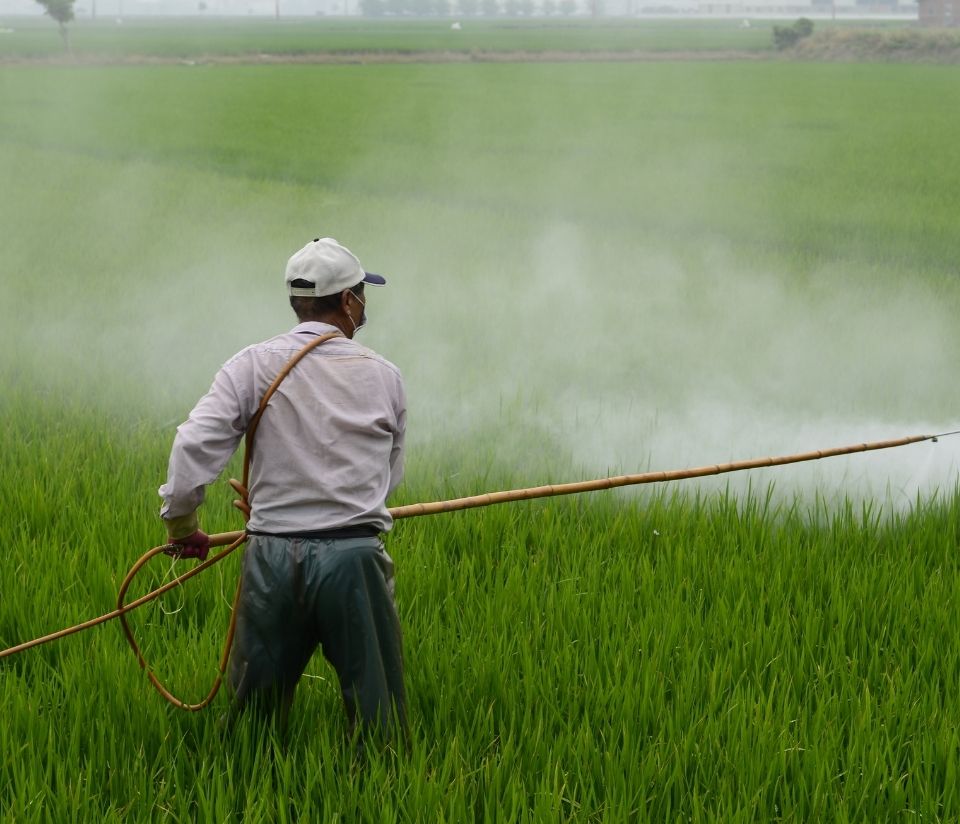
Some ethical shoppers will have probably chosen wholemeal bread before to avoid the use of chemical improvers. However, some bread brands use higher levels of fertilisers, pesticides and post-harvest storage treatment chemicals in the production of wholemeal bread. These chemicals can remain present, more so than in ordinary white or brown flour. Due to the health concerns associated with certain agrochemicals, you may want to opt for organic wholemeal bread. Non organic bread also contributes to the damage caused by pesticides to workers and to the environment where bread crops are grown and harvested.
Our research into bread brands
Our independent research into bread brands found that of the companies surveyed only 24% had certified organic bread products. Given that the harmful effects of pesticides have now been well documented for many years, this is a figure that leaves considerable room for improvement. Shoppers should have access to organic bread wherever possible to allow for the choice over both their own health, as well as whether or not to contribute to harming farmhands and the environment.
Similarly, our research found only 14% of bread brands to be eligible for a top ethical rating for genetic modification. This means that only 14% has explicitly stated that they do not use genetically modified ingredients, with the remaining 86% either having admitted to or been found to use genetically modified ingredients or making no statement on the topic. The Food Standards Agency provides clear guidance on GM food labelling requirements in the UK. These products are not organic bread and are not sustainable bread by any measure.
Furthermore, only 33% of brands were found to have vegetarian or vegan certification. Animal-derived ingredients are used to help supplement the lost nutritional value from processing. These fillers, additives and chemically treated materials dominate the ingredient list, and are used by the majority of bread brands. Shoppers looking for vegan bread should look for the Vegetarian and Vegan criteria in our Ethical Bread Ratings Table and check brands’ scores under our How We Rate criteria.
Not all of the picture is negative. Several brands in our Ethical Bread Ratings Table score well across our assessed criteria, demonstrating that responsible bread production is achievable at scale. Smaller and independent bakeries tend to perform most strongly, often combining organic certification with transparent sourcing and cleaner ingredient lists. The data is there to help you choose wisely.
Some solutions: Organic bread
Head over to our full Ethical Bread Ratings Table to stay informed about bread brands and their products. Here, you can see how brands score in relation to their overall ethical performance, as well as the individual criteria that matter to you. We recommend purchasing from any of the brands that pass the ethical benchmark. (They’re the brands in green!) Brands that hold The GOOD Shopping Guide’s Ethical Accreditation have had their ethical credentials independently verified. Organic certification from the Soil Association is the most widely recognised standard for organic bread in the UK.
Alternatively, there has been a significant rise in home baking in recent years and this may prove to be better suited to your needs. Freshly baked bread, including sourdough bread, does not last as long as store-bought bread. However, you can be sure that the production method is ethical, and the ingredients do not contain any nasty additives or fillers. Buying organic bread is a great way to ensure you’re keeping yourself and the planet happy and healthy!
If you want to apply the same ethical thinking to the rest of your breakfast, our Ethical Breakfast Cereals comparison table rates the UK’s leading cereal brands on the same independent criteria.
See our Ethical Bread Ratings Table to compare brands.
The biggest and most popular bread bands have been researched and assessed by The Good Shopping Guide. Click on any brand name to find out more about the ethics and sustainability policies of your favourite bread.
Warburtons, Authentic Bread, Genius, Greggs, Irwin’s, Jackson’s, The Polish Bakery, Village Bakery, BFree, Roberts Bakery, Vogel’s, Bertinet Bakery, Brace’s, Deli Kitchen, Jason’s Sourdough, Promise, Allinson, Burgen, Kingsmill, Sunblest and Hovis.
What is “ethical bread,” and why might someone choose it over ordinary supermarket bread?
Ethical bread refers to products where the ingredients, farming and production methods minimise harm to people and the environment. Many mass‑market breads use highly processed techniques with additives, pesticides in the grain, and genetically modified ingredients. Some consumers prefer organic or less processed bread to avoid chemical residues and support more transparent, sustainable agriculture.
How can the way bread is made affect its nutritional quality and ethics?
Some commercial breads are made using rapid industrial methods that rely on chemical “improvers” and additives, which replace slow fermentation and can reduce nutritional value. These processes may also rely on high‑input agriculture with pesticides and fertilisers, raising environmental and health concerns for workers and ecosystems in wheat‑producing regions.
Why might organic bread be considered more ethical than non‑organic breads?
Organic bread uses flour from farms that avoid synthetic pesticides and GM crops, reducing exposure to chemical residues and their impact on soil, water and farm workers. Choosing certified organic products supports more sustainable agriculture and can help protect ecosystems where wheat is grown.
What did research find about ethical labelling among bread brands?
Independent analysis found that a relatively small percentage of bread brands offer certified organic products or explicitly non‑GMO ingredients, and even fewer have vegetarian or vegan certification. This limited transparency makes it harder for consumers to assess ethical and environmental impacts across many mainstream brands.
What are some examples of bread brands that tend to score higher on ethical measures?
Some artisan or smaller brands like Authentic Bread and BFree score well for ethical criteria because they use minimal additives, non‑GMO ingredients, or focus on environmental reporting and responsible production.
Why do many well‑known bread brands score lower on ethical comparisons?
Several mainstream brands (e.g., Hovis and Bürgen) score below ethical benchmarks because they use genetically modified ingredients, don’t prioritise organic sources, or use palm oil without strong sustainability commitments. These gaps in transparency and policy lower their ethical ratings.
Is Wildfarmed an ethical bread brand?
Wildfarmed sits above the ethical benchmark on The GOOD Shopping Guide’s Bread Ethical Ratings Table, performing well in areas like environmental reporting, low reliance on fossil fuels, animal welfare, and minimal public record criticisms, though it scores poorly on organic criteria and lacks ethical accreditation. While it does demonstrate innovation in ethics, if Wildfarmed pursued Ethical Accreditation this could further affirm its commitment to responsible and sustainable business practices.
Is Authentic Bread an ethical bread brand?
Authentic Bread sits above the benchmark on The GOOD Shopping Guide’s Bread Ethical Ratings Table. It performs well in organic and non‑GMO sourcing, avoids major ethical criticisms and scores positively across animal welfare and environmental impact, although it lacks an environmental report and ethical accreditation. While it has no Ethical Accreditation yet, its high performance suggests that pursuing accreditation could further demonstrate commitment to ethical and sustainable business practices.
Is Jacksons of Yorkshire an ethical bread brand?
Jacksons of Yorkshire sits above the ethical benchmark on The GOOD Shopping Guide’s Bread Ethical Ratings Table, performing well in environmental reporting, being palm‑oil‑free, responsible on fossil fuels and animal welfare, and with no major public criticisms, although it scores poorly on organic and does not hold ethical accreditation. While it has not yet secured Ethical Accreditation, its high ethical performance suggests that pursuing such recognition could further demonstrate its commitment to sustainable and responsible business practices.
Is BFree an ethical bread brand?
BFree sits above the ethical benchmark on The GOOD Shopping Guide’s Bread Ethical Ratings Table, performing well in areas like non‑GMO ingredients, fossil fuel use, animal welfare and a clean public record, though it falls short in organic content and environmental reporting and does not hold ethical accreditation. While it has no Ethical Accreditation yet, if BFree pursued accreditation this could further demonstrate its commitment to ethical and sustainable business practices.
Is Irwin’s an ethical bread brand?
Irwin’s sits above the ethical benchmark on The GOOD Shopping Guide’s Bread Ethical Ratings Table, performing well in environmental reporting, low reliance on fossil fuels, animal welfare and having a clean public record, although it falls short in organic criteria and palm‑oil‑free status and does not hold ethical accreditation. While it has not yet attained Ethical Accreditation, if Irwin’s pursued this it could further demonstrate its commitment to ethical and sustainable business practices.
Is Jason’s Sourdough an ethical bread brand?
Jason’s Sourdough sits above the ethical benchmark on The GOOD Shopping Guide’s Bread Ethical Ratings Table, performing well in areas such as environmental reporting, low reliance on fossil fuels, animal welfare and a clean public record, although it falls short in organic sourcing and currently lacks ethical accreditation. While it does not yet hold Ethical Accreditation, if Jason’s Sourdough pursued ethical accreditation this could further demonstrate its commitment to ethical and sustainable business practices.
Is Promise an ethical bread brand?
Promise sits above the ethical benchmark on The GOOD Shopping Guide’s Bread Ethical Ratings Table, performing well in environmental reporting, fossil fuel reduction and animal welfare, and it has a clean public record, although it falls short in organic sourcing, palm‑oil‑free status and does not hold ethical accreditation. While it has not yet received Ethical Accreditation, if Promise pursued this it could further demonstrate its commitment to ethical and sustainable business practices.
Is Roberts Bakery an ethical bread brand?
Roberts Bakery sits above the ethical benchmark on The GOOD Shopping Guide’s Bread Ethical Ratings Table, performing well in environmental reporting, low reliance on fossil fuels, strong animal welfare and a clean public record, although it falls short in organic criteria and palm‑oil‑free status and currently lacks ethical accreditation. While it does not yet hold formal certification, if Roberts Bakery pursued Ethical Accreditation this could further demonstrate its commitment to ethical and sustainable business practices.
Is Warburtons an ethical bread brand?
Warburtons sits above the benchmark on The GOOD Shopping Guide’s Bread Ethical Ratings Table, performing well in environmental reporting, low reliance on fossil fuels, animal welfare and maintaining a clean public record, although it falls short in organic sourcing, palm‑oil‑free status and currently lacks ethical accreditation. While it has not yet attained formal certification, if Warburtons pursued Ethical Accreditation this could further demonstrate its commitment to ethical and sustainable business practices.
Is Genius an ethical bread brand?
Genius sits below the benchmark on The GOOD Shopping Guide’s Bread Ethical Ratings Table. It performs relatively well in areas like having a Non‑GMO statement and no public record criticisms relating to welfare, political donations or armaments, but falls short in environmental reporting, organic status and palm oil usage. As its overall score is below the ethical benchmark, readers should consult the Bread Ethical Ratings Table to find brands that do meet ethical standards.
Is Vogel’s an ethical bread brand?
Vogel’s sits below the benchmark on The GOOD Shopping Guide’s Bread Ethical Ratings Table. It performs comparatively well in areas like avoiding public criticisms and having no record issues relating to animal welfare, GM, nuclear power, fossil fuels or political donations, but falls short in environmental reporting, organic status and palm oil usage. As Vogel’s overall score is below the ethical benchmark, readers are encouraged to explore the Bread Ethical Ratings Table to find brands that do meet the ethical standard.
Is Brace’s an ethical bread brand?
Brace’s sits below the benchmark on The GOOD Shopping Guide’s Bread Ethical Ratings Table. It performs reasonably well in areas like avoiding public record criticisms and issues with animal welfare, political donations, armaments, nuclear power and fossil fuels, but falls short in environmental reporting, organic status and palm oil usage. As its overall score is below the ethical benchmark, readers should consult the Bread Ethical Ratings Table to find brands that meet the ethical standard.
Is Deli Kitchen an ethical bread brand?
Deli Kitchen sits below the benchmark on The GOOD Shopping Guide’s Bread Ethical Ratings Table. It performs well in avoiding public record criticisms and negative issues like genetic modification, animal welfare, fossil fuels and political donations, but falls short in environmental reporting, organic status and palm oil usage, and is not ethically accredited. As its overall score is below the ethical benchmark, readers are encouraged to consult the Bread Ethical Ratings Table to find brands that meet the ethical standard.
Is Modern Baker Superloaf an ethical bread brand?
Modern Baker Superloaf sits below the benchmark on The GOOD Shopping Guide’s Bread Ethical Ratings Table. It performs reasonably well in areas such as genetic modification, nuclear power, fossil fuels, animal welfare and public record criticisms, yet falls short in environmental reporting, organic status, palm oil use and lacks ethical accreditation. As its overall score is below the ethical benchmark, readers should refer to the Bread Ethical Ratings Table to find brands that meet ethical standards.
Is Allinson’s an ethical bread brand?
Allinson’s sits below the benchmark on The GOOD Shopping Guide’s Bread Ethical Ratings Table. It performs well in areas such as environmental reporting and avoiding public record criticisms, animal welfare, political donations, nuclear power and fossil fuels, but falls short in genetic modification, organic status, palm oil usage and lacks ethical accreditation. As its overall score is below the ethical benchmark, readers should consult the Bread Ethical Ratings Table to find brands that meet the ethical standard.
Is Bürgen an ethical bread brand?
Bürgen sits below the benchmark on The GOOD Shopping Guide’s Bread Ethical Ratings Table. It performs well in areas like environmental reporting and avoiding public record criticisms, fossil fuel and animal welfare issues, but falls short in genetic modification, organic status, palm oil usage and lacks ethical accreditation. While its score is below the ethical benchmark, readers can consult the Bread Ethical Ratings Table to find brands that meet higher ethical standards.
Is Kingsmill an ethical bread brand?
Kingsmill sits below the benchmark on The GOOD Shopping Guide’s Bread Ethical Ratings Table. It performs well in areas like environmental reporting and avoiding public record criticisms relating to nuclear power, fossil fuels, animal welfare and political donations, but falls short in genetic modification, organic status and palm oil usage and has not gained Ethical Accreditation. Since its overall score is below the ethical benchmark, readers should consult the Bread Ethical Ratings Table to find brands that meet the ethical standard.
Is Sunblest an ethical bread brand?
Sunblest sits below the benchmark on The GOOD Shopping Guide’s Bread Ethical Ratings Table. It performs well in areas such as environmental reporting and avoiding public record criticisms relating to nuclear power, fossil fuels, animal welfare and political donations, but falls short in genetic modification, organic status and palm oil usage, and has not yet gained Ethical Accreditation; applying for accreditation could help demonstrate a stronger commitment to ethical and sustainable practices. Readers looking for brands that meet the ethical benchmark should consult the Bread Ethical Ratings Table.
Is Bertinet Bakery an ethical bread brand?
Bertinet Bakery sits below the benchmark on The GOOD Shopping Guide’s Bread Ethical Ratings Table. It performs relatively well in avoiding public record criticisms around nuclear power, fossil fuels and animal welfare, but falls short in environmental reporting, organic status, arms and political donation issues, and lacks Ethical Accreditation. As its overall score is below the ethical benchmark, readers should consult the Bread Ethical Ratings Table to find brands that meet higher ethical standards.
Is Hovis an ethical bread brand?
Hovis sits below the benchmark on The GOOD Shopping Guide’s Bread Ethical Ratings Table. It performs well in areas such as avoiding public record criticisms and has no apparent issues with genetic modification, animal welfare or political donations, but falls short in aspects like organic status, palm oil usage, nuclear power and fossil fuels, and has not yet gained Ethical Accreditation; if it applied for accreditation this could further demonstrate its commitment to ethical and sustainable practices. Readers seeking brands that meet the ethical benchmark should consult the Bread Ethical Ratings Table.
How does The GOOD Shopping Guide's Ethical Accreditation complement other accreditations?
The GOOD Shopping Guide doesn’t replace existing certifications, it ensures your ethical credentials are clearly recognised so they are trusted by consumers. By appearing in our comparison tables, your brand reaches an audience that is actively seeking genuinely ethical options, while also being referenced by Google and AI search tools to enhance credibility and discoverability.
How is The GOOD Shopping Guide's Ethical Accreditation different from other accreditations?
Unlike many accreditations that focus mainly on compliance or internal audits, The GOOD Shopping Guide provides scored, research-led assessments across environment, people and animals. Our tables are consumer-facing and freely accessible, making it easy for shoppers and AI tools to compare brands based on verified performance, not just promises.
How does The GOOD Shopping Guide choose who is eligible for accreditation?
The GOOD Shopping Guide audits brands for their ethical impact across a variety of criteria in the human, animal and environment categories. We research the records of brands and their parent companies, and rate them across those criteria. If they are found to be above our benchmark, they are eligible to apply for Ethical Accreditation.
How can I apply for Ethical Accreditation?
You can apply for Ethical Accreditation if your brand is assessed as above our benchmark. Click on this link to fill out our online form, and our researchers will assess your brand’s viability for Ethical Accreditation.