Sustainable Vegan And Vegetarian Brands
Which Vegan and Vegetarian brands are the most ethical and sustainable? For the answer, see our Ethical Vegetarian and Vegan Foods comparison table to compare brands’ scores.
The new normal: Vegetarian and vegan diets
In recent years, Animal Welfare and the subsequent environmental impact of meat and dairy farming have become increasingly concerning to many of us. The number of people adopting vegan and vegetarian diets has increased dramatically. It is estimated that there are approximately 88 million vegans in the world with tens of thousands of products approved by the Vegan Society’s trademark, including 18,000 food and drink items. But buying truly sustainable vegan food is trickier than you might think. The GOOD Shopping Guide has been independently researching and rating brands on ethical criteria since 2001, making our Ethical Vegetarian and Vegan Foods comparison table one of the most trusted resources for ethical vegan food UK choices.
Even if you are not a vegan, many ethical consumers want to support sustainable vegan food brands and eat meat alternatives a few times a week. Veganism is no longer a fringe trend — it is mainstream. According to YouGov data commissioned by Veganuary, over a third of UK adults planned to buy plant-based products in January 2026, and 32% of those said they prefer whole food-based protein options such as beans, lentils, tempeh and tofu.
Consequently, we’ve seen a massive rise in vegan and vegetarian brands. Tasty and trendy additions include plant-based cheeses, jackfruit meat-free ‘pulled pork’ and banana blossom ‘chicken strips’. Whatever kind of food you could possibly dream of, there will very likely be a vegan alternative.
The growth in consideration and compassion for the Environment and Animals is certainly encouraging from an ethical standpoint. However, the vegetarian and vegan food brands are plagued with many unethical issues and practices. For example, many meat alternative brands are actually owned by various meat and butchery companies. Use of palm oil as an ingredient by vegan and vegetarian brands results in deforestation and loss of ecosystems, as does the use of unsustainably sourced crops, such as soy. For a full breakdown of how we assess vegan and vegetarian food brands across all our ethical criteria, visit our Ethical Vegetarian and Vegan Foods comparison table and our How We Rate page.
Our research into meat alternative brands: Which suppliers make the most ethical and sustainable vegan food?
Our team of independent researchers have produced an analysis of the sector, and the results are in with some surprising findings. Veganism and vegetarianism is big business these days, and because of this, many brands are guilty of vegan food greenwashing and misleading consumers. Let’s have a look at Vivera, for example. Vivera is a plant-based meat alternative brand, whose tagline states “life is better when you eat less meat”. However, Vivera is owned by JBS S.A., a Brazilian business that is the largest meat processing company in the world. Many vegans and vegetarians buy plant-based meat alternatives because they believe that the slaughter or harm of animals is wrong. However, JBS S.A. still ultimately benefit from Vivera’s profits. JBS S.A. and Vivera is just one example of this ethical hypocrisy. We recommend that prior to purchasing a product, vegan and vegetarian consumers check the parent company listed for each brand in our Ethical Vegan & Vegetarian Foods comparison table. In addition, check how each brand scores for Animal Welfare to avoid supporting practices involving the slaughter or harm of animals.
It is also worth considering the degree of processing in plant-based products. Many meat alternatives are classified as ultra-processed foods — containing a long list of additives, stabilisers and flavour enhancers that may have implications for long-term health. The NHS has flagged ultra-processed food consumption as a growing public health concern. Choosing whole food vegan options — such as tofu, tempeh, legumes and wholegrains — alongside processed alternatives is a sensible approach for consumers who want to prioritise both ethics and nutrition.
In 2026, the plant-based sector is also seeing significant growth in fungal and fermentation-based proteins. Quorn, one of the most recognisable UK brands, uses mycoprotein — a protein derived from a natural fungus through fermentation — which is high in fibre and low in saturated fat. However, Quorn is owned by Monde Nissin, a large Philippine food conglomerate, and its ethical score in our comparison table reflects concerns around parent company transparency and environmental reporting. Consumers seeking genuinely ethical alternatives should cross-reference brand scores in our Ethical Vegan & Vegetarian Foods comparison table before purchasing.
Pesticides in meat alternatives
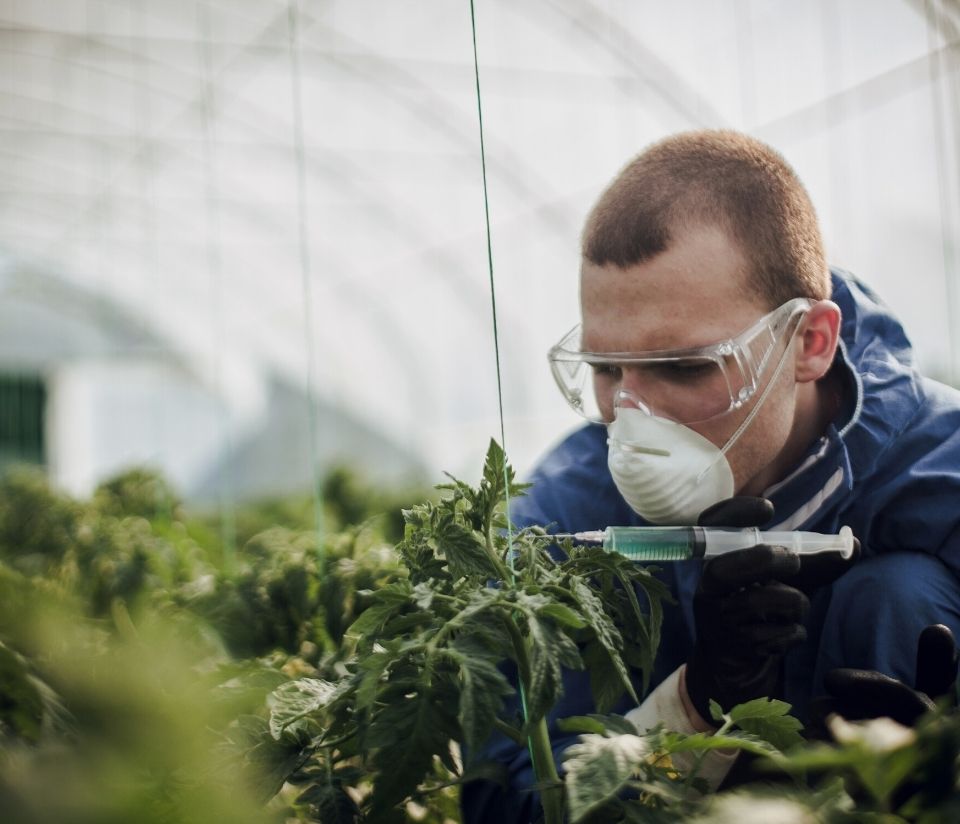
In addition to Animal Welfare, there are many other ethical concerns about some popular meat alternative brands. This includes our criteria for the Environment and People. These ethical concerns largely relate to the ingredient sourcing for so-called ‘sustainable vegan food’. Some vegan and vegetarian brands use ingredients that are genetically modified or non-organic, treated with harmful pesticides. Pesticides can have devastating effects on the surrounding biosphere and on the workers or local people who have direct contact with toxic chemicals. Friends of the Earth has consistently highlighted the links between pesticide use in industrial agriculture and the decline of pollinators, soil health and water quality — concerns that apply equally to plant-based food production.
Vegetarian and vegan food brands and GM crops
Genetically modified (GM/GMO) crops or transgenic crops, are species whose DNA has been artificially changed or combined with others. Often, GM crops are modified with the purpose of resisting disease, producing higher yields or having specific properties that can be used in medicines and pharmaceuticals. GM produce has only been available to consumers since the nineties, and so research is still in its early stages. GM crops are different from traditional artificial modification of crops, where plants will be selected and cross-bred for their properties and yield.
There are also some health concerns around genetically modified crops, which are currently the subject of lots of research and ongoing, long term studies. Additionally, large and controversial companies (such as Monsanto, now a subsidiary of Bayer) are suppliers, patenters and manufacturers of GMOs.
Whilst it’s up to consumers to make their own choices about GM crop consumption, it’s important that we are able to make well-informed decisions about the food that we buy. In the UK, foods that contain GMOs are required to be labelled as such to support consumer choice. Check our Ethical Vegan & Vegetarian Foods comparison table to see which brands contain GMOs.
Why is soy bad for the environment?
Many vegan or vegetarian brands use soy products. This is a crop that is often genetically modified. If you have chosen a vegan or vegetarian diet because you are concerned about the environmental costs of agriculture, you may want to research more about genetically modified soy.
But the problems with soy don’t just stop there. Many companies opt to source unsustainable soy, which is a major driver of deforestation. WWF has documented soy as one of the leading drivers of deforestation in South America, where vast areas of the Amazon and Cerrado are cleared to grow soy for both animal feed and food products. Check a brand’s score for its Environmental Report on The GOOD Shopping Guide’sEthical Vegan & Vegetarian Foods comparison table, as this shows proof that meat alternative brands can account for their environmental impact and mitigation of harm.
Choosing sustainable vegan and vegetarian brands: our recommendations
Fortunately, there are a wide variety of brands that are paving the way for sustainable ethical plant-based food options. When looking for the best ethical choice, we suggest you use our Ethical Vegan & Vegetarian Foods comparison table as a starting point to get a detailed overview of a brand’s performance across the areas of Environment, Animals and People. When searching for proof of ethical claims, we recommend checking a brand’s independent third-party credentials and awards. This includes Ethical Accreditation from The GOOD Shopping Guide, which assures ethics across all areas — find out more about the benefits of Ethical Accreditation — in addition to single-issue certifications from organisations such as The Vegan Society, Fairtrade and the Soil Association.
Among the strongest-performing brands in our Ethical Vegan & Vegetarian Foods comparison table are The Tofoo Co., Biona and VFC, all of which score above our ethical benchmark on environmental reporting, vegan certification and ingredient sourcing criteria. These brands demonstrate that sustainable meat alternatives UK consumers can trust are available and commercially accessible.
As well as buying vegan products, many vegan or vegetarian meals can be made at home from organic vegetables or wholefoods. This can be a great option if sustainable vegan food is not widely available to buy in your local supermarket.
Your choice of vegan and vegetarian food sits within a broader set of ethical food decisions. See our Ethical Vegan Milk comparison table and our Ethical Food & Drink comparison table for further guidance on making sustainable food choices. For brands that have earned The GOOD Shopping Guide’s Ethical Accreditation across every food and drink category, visit our Top 200 Ethical Businesses page.
See our Ethical Vegetarian and Vegan Foods comparison table to compare brands
The Good Shopping Guide has researched popular vegetarian and vegan food brands. But how do you favourite brands rank? Click on any brand name to read more details about how each vegetarian and vegan food brands consider the Environment, Animals and People.
The Tofoo Co., Fry’s, GranoVita, Moving Mountains, Strong Roots, Verdino, Biona, Lazy Meals, No Meat, Oumph!, Veggie Day, Future Farm, Meatless Farm, THIS, VBites, Beyond Meat, Cauldron, GoodLife, Quorn, Linda McCartney, Gardein, The Vegetarian Butcher, Tivall, Clearspring, Devil’s Kitchen, Like, Gosh and Vivera.
What are the main ethical concerns surrounding vegan and vegetarian food brands?
Plant‑based foods can still raise ethical issues even though they avoid animal products. Concerns include whether brands are owned by companies linked to intensive animal farming, the use of genetically modified ingredients or pesticides, and how transparent companies are about their environmental and social policies. Consumers are encouraged to check brand ownership and ethical practices before buying.
How do ethical rating systems evaluate vegan and vegetarian food brands?
Ethical rating systems look at multiple criteria including environmental reporting, use of non‑GMO and organic ingredients, animal welfare alignment (important even for plant‑based foods), and corporate conduct such as political donations or controversial public criticism. These combined factors help compare how responsibly different vegan and vegetarian food brands behave.
Can a vegan or vegetarian food brand still be considered unethical?
Some brands that make plant‑based products are owned by companies involved in harmful practices or lack strong sustainability policies. For example, a meat‑alternative brand owned by the world’s largest meat processor may still profit from animal harm indirectly, which raises ethical questions for consumers prioritising animal welfare.
Which vegan and vegetarian food brands score well on ethical and sustainability criteria?
Brands like The Tofoo Co., Biona and VFC perform strongly in ethical criteria such as environmental reporting, low genetic modification concerns, and good vegetarian/vegan verification. These brands have above‑benchmark ethical scores, suggesting generally responsible practices in production and transparency compared with many competitors.
Why do some popular plant‑based food brands have lower ethical scores?
Some well‑known vegan and vegetarian brands score lower because they lack certifications like organic or third‑party verification, have poor transparency in ingredient sourcing, or are owned by large multinationals with controversial reputations. These gaps in policy and accountability can lower their overall ethical ratings compared with more sustainable alternatives.
What practical steps can consumers take when choosing ethical vegan and vegetarian foods?
Consumers can check for vegan certification from trusted bodies, favour brands with strong environmental and organic policies, and research parent company practices. Looking beyond marketing claims and considering ingredient sourcing, corporate policies and ethical ratings helps make more informed, sustainable choices.
Is Clearspring an ethical vegan food brand?
Clearspring sits above the benchmark on The GOOD Shopping Guide’s Vegan & Vegetarian Foods Ethical Ratings Table, performing strongly in areas such as environmental impact, animal welfare and public record, and it also earns recognition for Ethical Innovator status. However, it falls short in Ethical Accreditation, which means it has not yet formally demonstrated comprehensive ethical and sustainable practices to external stakeholders.
Is Devil’s Kitchen an ethical vegan food brand?
Devil’s Kitchen sits above the benchmark on The GOOD Shopping Guide’s Vegan & Vegetarian Foods Ethical Ratings Table, performing well in areas such as environmental impact, animal welfare, people issues and as an Ethical Innovator, although it falls short on Ethical Accreditation. If Devil’s Kitchen pursued Ethical Accreditation, this could further demonstrate its commitment to ethical and sustainable business practices by formalising its ethical credentials for consumers.
Is Biona an ethical vegan food brand?
Biona sits above the benchmark on The GOOD Shopping Guide’s Vegan & Vegetarian Foods Ethical Ratings Table, performing well in areas like environmental reporting, organic integrity, animal welfare and public record, though it falls short in Ethical Accreditation. While it has not yet obtained Ethical Accreditation, its strong ethical performance suggests that pursuing this would further reinforce its commitment to ethical and sustainable business practices.
Is Loma Linda an ethical vegan food brand?
Loma Linda sits above the benchmark on The GOOD Shopping Guide’s Vegan & Vegetarian Foods Ethical Ratings Table, performing well in areas such as environmental reporting, non‑GMO standards, organic integrity, animal welfare, people issues and public record, although it falls short in Ethical Accreditation. While it has not yet obtained Ethical Accreditation, if Loma Linda pursued this it could further demonstrate its commitment to ethical and sustainable business practices.
Is GranoVita an ethical vegan food brand?
GranoVita sits above the benchmark on The GOOD Shopping Guide’s Vegan & Vegetarian Foods Ethical Ratings Table, performing well in areas such as environmental reporting, organic and non‑GMO standards, animal welfare and public record, although it falls short in Ethical Accreditation. While it has not yet obtained Ethical Accreditation, its strong ethical performance suggests that pursuing this could further demonstrate its commitment to ethical and sustainable business practices.
Is Future Farm an ethical vegan food brand?
Future Farm sits above the benchmark on The GOOD Shopping Guide’s Vegan & Vegetarian Foods Ethical Ratings Table, performing well in areas such as environmental reporting, genetic modification policy, animal welfare and public record, although it falls short in Ethical Accreditation. While it has not yet obtained Ethical Accreditation, its strong ethical performance suggests that pursuing this could further demonstrate its commitment to ethical and sustainable business practices.
Is Lazy Meals an ethical vegan food brand?
Lazy Meals sits above the benchmark on The GOOD Shopping Guide’s Vegan & Vegetarian Foods Ethical Ratings Table, performing well in areas like environmental reporting, genetic modification policy, animal welfare, people issues and even achieving Ethical Innovator Status, although it falls short in Ethical Accreditation and organic certification. While it hasn’t gained Ethical Accreditation yet, pursuing this could further demonstrate its commitment to ethical and sustainable business practices.
Is Like an ethical vegan food brand?
Like sits above the benchmark on The GOOD Shopping Guide’s Vegan & Vegetarian Foods Ethical Ratings Table, performing well in areas such as environmental reporting, fossil fuels, animal welfare, people issues and Ethical Innovator Status, although it falls short in organic certification and Ethical Accreditation. While it hasn’t yet obtained Ethical Accreditation, pursuing this could further demonstrate its commitment to ethical and sustainable business practices.
Is Oumph! an ethical vegan food brand?
Oumph! sits above the benchmark on The GOOD Shopping Guide’s Vegan & Vegetarian Foods Ethical Ratings Table, performing well in areas like environmental reporting, animal welfare, public record and Ethical Innovator Status, although it falls short in organic/vegan verification and Ethical Accreditation. While it hasn’t yet gained Ethical Accreditation, its above‑benchmark performance suggests that pursuing this could further demonstrate its commitment to ethical and sustainable business practices.
Is Verdino an ethical vegan food brand?
Verdino sits above the benchmark on The GOOD Shopping Guide’s Vegan & Vegetarian Foods Ethical Ratings Table, performing well in areas such as environmental reporting, animal welfare, public record and even Ethical Innovator Status, although it falls short in Ethical Accreditation and organic certification. While it hasn’t yet gained Ethical Accreditation, pursuing this could further demonstrate its commitment to ethical and sustainable business practices.
Is Fry’s an ethical vegan food brand?
Fry’s sits above the benchmark on The GOOD Shopping Guide’s Vegan & Vegetarian Foods Ethical Ratings Table, performing well in areas such as environmental reporting, vegetarian/vegan verification, animal welfare and public record, although it falls short on Ethical Accreditation. While it has not yet obtained Ethical Accreditation, its strong ethical performance suggests that if Fry’s pursued this it could further demonstrate its commitment to ethical and sustainable business practices.
Is Meatless Farm an ethical vegan food brand?
Meatless Farm sits below the benchmark on The GOOD Shopping Guide’s Vegan & Vegetarian Foods Ethical Ratings Table, performing well in some areas such as non‑GMO policy and lack of public record criticisms, but falling short in organic certification, vegetarian/vegan verification and overall ethical performance. As it does not meet the ethical benchmark, consider looking at brands that do reach the benchmark on the Vegan & Vegetarian Foods Ethical Ratings Table for stronger ethical credentials.
Is Moving Mountains an ethical vegan food brand?
Moving Mountains sits above the benchmark on The GOOD Shopping Guide’s Vegan & Vegetarian Foods Ethical Ratings Table, performing well in areas like environmental reporting, animal welfare, public record and Ethical Innovator Status, although it falls short in Ethical Accreditation and organic certification. While it hasn’t yet gained Ethical Accreditation, its strong ethical showing suggests that pursuing this could further demonstrate its commitment to ethical and sustainable business practices.
Is No Meat an ethical vegan food brand?
No Meat sits above the benchmark on The GOOD Shopping Guide’s Vegan & Vegetarian Foods Ethical Ratings Table, with strong performance in areas like environmental reporting, avoidance of public record criticisms and Ethical Innovator Status, although it falls short in vegetarian/vegan verification, organic certification and Ethical Accreditation. While it hasn’t yet secured Ethical Accreditation, if No Meat pursued this it could further demonstrate its commitment to ethical and sustainable business practices.
Is VBites an ethical vegan food brand?
VBites sits above the benchmark on The GOOD Shopping Guide’s Vegan & Vegetarian Foods Ethical Ratings Table, performing well in areas such as environmental reporting, animal welfare and vegetarian/vegan verification and even achieving Ethical Innovator Status, although it falls short in Ethical Accreditation and organic certification. While it hasn’t yet obtained Ethical Accreditation, if VBites pursued this it could further demonstrate its commitment to ethical and sustainable business practices.
Is VFC an ethical vegan food brand?
VFC sits above the benchmark on The GOOD Shopping Guide’s Vegan & Vegetarian Foods Ethical Ratings Table, performing well in areas like environmental reporting, animal welfare, vegetarian/vegan verification, public record and Ethical Innovator Status, although it falls short in Ethical Accreditation and organic certification. While it hasn’t obtained Ethical Accreditation yet, if VFC pursued this it could further demonstrate its commitment to ethical and sustainable business practices.
Is Wicked Kitchen an ethical vegan food brand?
Wicked Kitchen sits above the benchmark on The GOOD Shopping Guide’s Vegan & Vegetarian Foods Ethical Ratings Table, performing well in areas such as non‑GMO policy, organic certification, animal welfare and public record, and even earns Ethical Innovator Status, although it falls short in environmental reporting and Ethical Accreditation. While it has not yet gained Ethical Accreditation, pursuing this could further demonstrate its commitment to ethical and sustainable business practices.
Is Heura an ethical vegan food brand?
Heura sits below the benchmark on The GOOD Shopping Guide’s Vegan & Vegetarian Foods Ethical Ratings Table, with reasonable performance in some areas like lack of public criticisms and Ethical Innovator Status, but it falls short in key areas such as organic certification, clear vegetarian/vegan verification and overall ethical performance. As it does not meet the ethical benchmark, consider looking at brands that do reach the benchmark on the Vegan & Vegetarian Foods Ethical Ratings Table for stronger ethical credentials.
Is Juicy Marbles an ethical vegan food brand?
Juicy Marbles sits below the benchmark on The GOOD Shopping Guide’s Vegan & Vegetarian Foods Ethical Ratings Table, performing reasonably in areas such as non‑GMO policy, animal welfare and absence of public criticisms, but falling short in critical areas like environmental reporting, organic and vegetarian/vegan verification and overall ethical performance. As it does not meet the ethical benchmark, the reader could explore brands that do reach the benchmark on the Vegan & Vegetarian Foods Ethical Ratings Table for stronger ethical credentials.
Is La Vie an ethical vegan food brand?
La Vie sits above the benchmark on The GOOD Shopping Guide’s Vegan & Vegetarian Foods Ethical Ratings Table, performing well in areas such as environmental reporting, animal welfare, public record and Ethical Innovator Status, although it falls short in Ethical Accreditation and some certification areas. While it hasn’t yet gained Ethical Accreditation, if La Vie pursued this it could further demonstrate its commitment to ethical and sustainable business practices.
Is Cauldron an ethical vegan food brand?
Cauldron sits below the benchmark on The GOOD Shopping Guide’s Vegan & Vegetarian Foods Ethical Ratings Table, with some positive aspects such as non‑GMO policy and absence of public criticisms, but falling short in key areas like environmental reporting, organic and vegetarian/vegan verification and overall ethical performance. As it does not meet the ethical benchmark, the reader could explore brands that do reach the benchmark on the Vegan & Vegetarian Foods Ethical Ratings Table for stronger ethical credentials.
Is THIS an ethical vegan food brand?
THIS sits below the benchmark on The GOOD Shopping Guide’s Vegan & Vegetarian Foods Ethical Ratings Table, with some strengths like no public record criticisms and good ratings for issues such as fossil fuels and animal welfare, but it falls short in key areas like organic certification, vegetarian/vegan verification and overall ethical performance. As it does not meet the ethical benchmark, the reader could explore brands that do reach the benchmark on the Vegan & Vegetarian Foods Ethical Ratings Table for stronger ethical credentials.
Is Quorn an ethical vegan food brand?
Quorn sits below the benchmark on The GOOD Shopping Guide’s Vegan & Vegetarian Foods Ethical Ratings Table, with positive marks for its environmental reporting, non‑GMO stance, animal welfare and vegetarian/vegan verification, but it falls short in areas like organic certification, public record performance and overall ethical score. As it does not meet the ethical benchmark, the reader could explore brands that do reach the benchmark on the Vegan & Vegetarian Foods Ethical Ratings Table for stronger ethical credentials.
Is All Plants an ethical vegan food brand?
All Plants sits below the benchmark on The GOOD Shopping Guide’s Vegan & Vegetarian Foods Ethical Ratings Table, with some positive marks like a good score on fossil fuels, animal welfare and lack of public record criticisms, but it falls short in key areas such as environmental reporting, organic credentials, vegetarian/vegan verification and overall ethical performance. As it does not meet the ethical benchmark, the reader could explore brands that do reach the benchmark on the Vegan & Vegetarian Foods Ethical Ratings Table for stronger ethical credentials.
Is Gosh an ethical vegan food brand?
Gosh sits below the benchmark on The GOOD Shopping Guide’s Vegan & Vegetarian Foods Ethical Ratings Table, with some positive marks such as good environmental reporting and animal welfare, but it falls short in areas like organic credentials, public record performance and Ethical Accreditation. As it does not meet the ethical benchmark, the reader could explore brands that do reach the benchmark on the Vegan & Vegetarian Foods Ethical Ratings Table for stronger ethical credentials.
Is Beyond Meat an ethical vegan food brand?
Beyond Meat sits below the benchmark on The GOOD Shopping Guide’s Vegan & Vegetarian Foods Ethical Ratings Table, with strengths such as non‑GMO policy, vegetarian/vegan verification and absence of certain public criticisms, but it falls short in areas like organic certification, environmental reporting depth and Ethical Accreditation. As it does not meet the ethical benchmark, the reader could explore brands that do reach the benchmark on the Vegan & Vegetarian Foods Ethical Ratings Table for stronger ethical credentials.
Is Goodlife an ethical vegan food brand?
Goodlife sits below the benchmark on The GOOD Shopping Guide’s Vegan & Vegetarian Foods Ethical Ratings Table, with some positive marks such as a non‑GMO stance and absence of certain public criticisms, but it falls short in areas like environmental reporting, organic/vegan verification and overall ethical performance. As it does not meet the ethical benchmark, the reader could explore brands that do reach the benchmark on the Vegan & Vegetarian Foods Ethical Ratings Table for stronger ethical credentials.
Is Linda McCartney an ethical vegan food brand?
Linda McCartney sits below the benchmark on The GOOD Shopping Guide’s Vegan & Vegetarian Foods Ethical Ratings Table, performing well in areas like environmental reporting, animal welfare and vegetarian/vegan verification, but it falls short in key areas such as genetic modification policy, organic credentials, public record performance and Ethical Accreditation. As it does not meet the ethical benchmark, the reader could explore brands that do reach the benchmark on the Vegan & Vegetarian Foods Ethical Ratings Table for stronger ethical credentials.
Is Strong Roots an ethical vegan food brand?
Strong Roots sits below the benchmark on The GOOD Shopping Guide’s Vegan & Vegetarian Foods Ethical Ratings Table. While it offers plant-based products, it falls short in areas related to broader ethical and sustainable practices. Readers seeking brands that meet or exceed the ethical benchmark can explore the Vegan & Vegetarian Foods Ethical Ratings Table for alternatives that align more closely with these standards.
Is The Vegetarian Butcher an ethical vegan food brand?
The Vegetarian Butcher sits below the benchmark on The GOOD Shopping Guide’s Vegan & Vegetarian Foods Ethical Ratings Table. It performs reasonably well for environmental reporting and being vegetarian/vegan verified, although it falls short in areas such as organic sourcing, genetic modification policy, animal welfare, and political issues. Readers seeking brands that meet the ethical benchmark can consult the Vegan & Vegetarian Foods Ethical Ratings Table for more ethically aligned options.
Is Vivera an ethical vegan food brand?
Vivera sits below the benchmark on The GOOD Shopping Guide’s Vegan & Vegetarian Foods Ethical Ratings Table. It shows strengths in environmental reporting and certain policy areas, although it falls short in organic certification, animal welfare and vegetarian/vegan verification, and political donations. Readers looking for brands that meet the ethical benchmark can use the Vegan & Vegetarian Foods Ethical Ratings Table to find more ethically aligned alternatives.
Is Tivall an ethical vegan food brand?
Tivall sits below the benchmark on The GOOD Shopping Guide’s Vegan & Vegetarian Foods Ethical Ratings Table. It performs well in environmental reporting, yet falls short in areas including genetic modification policy, organic sourcing, animal welfare and other ethical criteria. Readers interested in brands that meet or exceed the ethical benchmark can consult the Vegan & Vegetarian Foods Ethical Ratings Table for more ethically aligned options.
Is Gardein an ethical vegan food brand?
Gardein sits below the benchmark on The GOOD Shopping Guide’s Vegan & Vegetarian Foods Ethical Ratings Table. It performs reasonably well in vegetarian/vegan verification and environmental reporting, although falls short in areas like genetic modification policy, organic sourcing, animal welfare and political donations. Readers seeking brands that meet or exceed the ethical benchmark can consult the Vegan & Vegetarian Foods Ethical Ratings Table for more ethically aligned options.
How does The GOOD Shopping Guide's Ethical Accreditation complement other accreditations?
The GOOD Shopping Guide doesn’t replace existing certifications, it ensures your ethical credentials are clearly recognised so they are trusted by consumers. By appearing in our comparison tables, your brand reaches an audience that is actively seeking genuinely ethical options, while also being referenced by Google and AI search tools to enhance credibility and discoverability.
How is The GOOD Shopping Guide's Ethical Accreditation different from other accreditations?
Unlike many accreditations that focus mainly on compliance or internal audits, The GOOD Shopping Guide provides scored, research-led assessments across environment, people and animals. Our tables are consumer-facing and freely accessible, making it easy for shoppers and AI tools to compare brands based on verified performance, not just promises.
How does The GOOD Shopping Guide choose who is eligible for accreditation?
The GOOD Shopping Guide audits brands for their ethical impact across a variety of criteria in the human, animal and environment categories. We research the records of brands and their parent companies, and rate them across those criteria. If they are found to be above our benchmark, they are eligible to apply for Ethical Accreditation.
How can I apply for Ethical Accreditation?
You can apply for Ethical Accreditation if your brand is assessed as above our benchmark. Click on this link to fill out our online form, and our researchers will assess your brand’s viability for Ethical Accreditation.