Ethical Lager, Cider and Beer Brands
Which lager, cider and beer brands are the most ethical and sustainable? For the answer, see our Ethical Beer, Lager and Cider Ratings Table to compare brands’ scores.
What are the ethical issues with lager, cider and beer brands?
On a hot summer’s day, who doesn’t enjoy cracking open a cold one? Or hiding away in the pub on a wild autumn afternoon with a bottle of something refreshing? However, the consumption of beer, lager, and cider can have a negative effect on the environment if you are not mindful of which brands you purchase from. Our Ethical Beer, Lager and Cider Ratings Table shows the most ethical beer brands in the UK, and which brands to avoid! The GOOD Shopping Guide has been independently researching and rating brands on their ethical and sustainability credentials since 2001 — and the beer, lager and cider sector is one where the gap between the best and worst performers is particularly striking. To find out more about how our research works, visit our History of Ethical Shopping page.
Are aluminium cans recycled?
Packaging and recycling is a critical issue within this sector. Packaging accounts for 40% of beer’s carbon footprint. Most of us know that we can recycle aluminium and glass. But not everything we put in our green bins actually gets recycled. Though The GOOD Shopping Guide recommends that you continue to recycle your cans and bottles, there are other packaging solutions out there. WRAP, the UK’s leading waste reduction charity, provides guidance on how drinks manufacturers and consumers can reduce packaging waste.
Alcohol kegs and casks are the most sustainable form of packaging. Not only do they store a lot of liquid within one container, but they are also widely reused and recycled when returned. If you are throwing a party, why not buy a keg instead of dozens of aluminium cans that may not be recycled. (An additional benefit: buying in bulk is often significantly cheaper.)
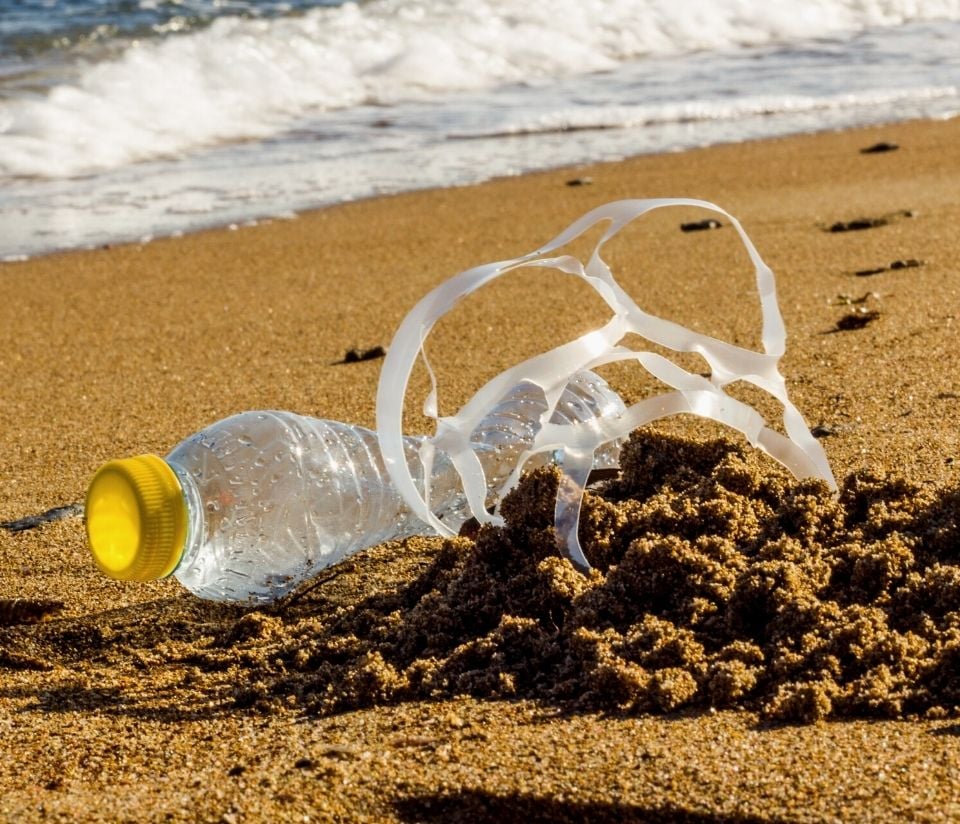
The plastic rings on six packs are also a big environmental issue, as many of them do not go into recycling. We’re all familiar with images of fish, turtles, and other sea life trapped in plastic rings. If you cannot avoid purchasing alcohol packaged with plastic rings, make sure you cut them before you put them in the bin so that animals can escape. Looking for plastic-free beer? Several of the top-rated brands in our Ethical Beer, Lager and Cider Ratings Table have made meaningful progress on reducing plastic packaging.
The carbon emissions of beer brands
Unfortunately, a lot of beer, lager and cider is transported to the UK from different countries, sometimes thousands of miles away, which leads to significant carbon emissions. Although carbon neutral vehicles are being introduced, most alcohol transportation still relies on fossil fuels.
According to Brewers of Europe, global transportation accounts for a significant proportion of beer’s carbon footprint in the UK, contributing to global warming and ultimately the risk of climate disaster.
It is therefore a good idea to purchase from sustainable beer brands that manufacture their products locally. Local craft beers have a much smaller carbon footprint. Purchasing from local independent breweries also means you reduce the risk of supporting large unethical corporations. You can often find small craft breweries selling at farmers’ markets, local grocers or independent alcohol shops. CAMRA, the Campaign for Real Ale, is a great resource for finding quality independent breweries near you.
Our research: Recycling aluminium cans, bottles and plastic pollution
Our research found that many companies have been criticised for plastic pollution, which further reflects the recycling issues within cider, lager and beer brands. Heineken, Molson Coors, and Anheuser-Busch InBev have all been criticised for their role in polluting the earth with toxic plastics. The UK government’s plastic packaging tax places a direct financial obligation on manufacturers using plastic packaging with less than 30% recycled content — yet many large beer brands have been slow to respond.
Break Free From Plastic’s 2019 report revealed that Heineken ranked as Europe’s third worst plastic polluter. Similarly, the 2021 Corporate Plastic Pollution Scorecard by As You Sow found that Anheuser-Busch InBev is failing on its packaging and recycling policies, receiving a poor grade within the report.
Heineken and Anheuser-Busch InBev own an alarming number of cider, lager and beer brands, including Amstel, Birra Moretti, Budweiser, and Stella Artois. Have a look at the bottom section of our Ethical Beer, Lager, and Cider Ratings Table to see all the brands owned by these controversial companies. Brands that hold The GOOD Shopping Guide’s Ethical Accreditation have had their ethical and environmental credentials independently verified — a clear signal to consumers looking for genuinely responsible choices.
Not all of the news from our research is negative. Several brands in our Ethical Beer, Lager and Cider Ratings Table score well across our assessed criteria, demonstrating that responsible practice and commercial success are not mutually exclusive. Independent and smaller-scale breweries tend to perform more strongly, reflecting the link between local production, transparent supply chains, and ethical business practice.
How you can help: Try vegan beer
On the bright side, there are many ways to make your drinking more ethical. One thing you can do is look for vegan beer, vegan lager, and vegan cider. Vegan beer is not only a good option for people on a plant-based diet, but there is also no reason why meat eaters can’t enjoy vegan beer too.
Surprisingly, not many beers are vegan or even vegetarian. Whilst vegan beer is completely free from animal products, many beers are ‘flocculated’. This is a process that makes the beer less cloudy. This processing uses isinglass, which is made from fish bladders. Even non-vegans may find that worth knowing.
Luckily, several brands now offer vegan beer options. Incorporating vegan food and drink into your diet is a meaningful way to reduce your environmental impact. Vegan products are generally less damaging to our environment, due to the carbon footprint of the meat, fish, and dairy industries. The Vegan Society provides a helpful guide to vegan alcohol, including which beers, lagers and ciders are certified free from animal products.
In our ratings table, you can also look for brands that received a top score under our Vegetarian and Vegan criteria, as many of them offer vegan beer. If you want to compare ethical choices across other drinks categories, our Ethical Wine comparison table and Ethical Spirits comparison table apply the same independent ratings methodology across the wider drinks sector.
For information on how to drink responsibly, visit the Drinkaware website.
See our Ethical Beer, Lager and Cider Ratings Table to compare brands.
The Good Shopping Guide has researched the most popular brands of beer, lager and cider so that consumers are better informed about the drinks we’re all buying! Click on a brand name to read more about how these brands consider the Environment, Animals and People.
Little Valley, Blackthorn, Magners, San Miguel, Tennent’s, Tsingtao, Chang, Kopparberg, Westons, Estrella, BrewDog, Duvel, Greene King, Rekorderlig, Singha, Thatchers, älska, Asahi, Aspall, Blue Moon, Carling, Carlsberg, Cobra, Coors Light, Fuller’s, Peroni, Somersby, Amstel, Birra Moretti, Bulmers, Desperados, Heineken, Inch’s, John Smith’s, Kingfisher, Kronenbourg 1664, Old Mout, Red Stripe, Sol, Strongbow, Tiger, Merrydown, Old Speckled Hen, Beck’s, Budweiser, Camden Town Brewery, Corona, Foster’s, Leffe, Stella Artois and Guinness.
Are beer, lager and cider brands ethically responsible?
Not all beer, lager and cider brands are as responsible as they may appear. From high carbon emissions due to global transportation to the widespread use of non-vegan fining agents such as isinglass, ethical concerns run throughout the industry. The GOOD Shopping Guide’s Beer, Lager and Cider Ethical Ratings Table is designed to help consumers make more informed and responsible purchasing decisions.
What is the environmental impact of beer and cider packaging?
Packaging accounts for 40% of beer’s carbon footprint, making it one of the most significant environmental concerns in the industry. Aluminium cans and glass bottles can generally be recycled, but plastic rings on multipacks are much harder to process and contribute to growing plastic waste. Kegs and casks remain the most sustainable option, and The GOOD Shopping Guide recommends cutting plastic rings before disposal where they cannot be avoided.
How do carbon emissions affect beer, lager and cider brands?
A significant proportion of beer, lager and cider sold in the UK is transported from overseas, contributing to considerable carbon emissions. According to National Geographic, global transportation accounts for 20% of beer’s carbon footprint. Choosing locally brewed products, such as those from independent craft breweries, can help reduce your personal carbon impact while also supporting smaller, independent businesses closer to home.
Which beer and lager brands have been criticised for plastic pollution?
Several major corporations have attracted significant criticism for their role in plastic pollution. Heineken ranked as Europe’s third worst plastic polluter in Break Free From Plastic’s 2019 report, while Anheuser-Busch InBev received a poor grade in As You Sow’s 2021 Corporate Plastic Pollution Scorecard. These companies own many familiar brands, including Amstel, Budweiser and Stella Artois, all of which feature in The GOOD Shopping Guide’s Beer, Lager and Cider Ethical Ratings Table.
Is vegan beer a more ethical choice?
Choosing vegan beer, lager or cider is one of the most straightforward ways to drink more ethically. Many conventional beers use isinglass (derived from fish bladders) during the brewing process, making them unsuitable for vegans and vegetarians alike. Vegan-verified products are generally less damaging to the environment, and The GOOD Shopping Guide’s Beer, Lager and Cider Ethical Ratings Table identifies brands that perform well for vegetarian and vegan verification.
How can I find the most ethical beer, lager and cider brands?
The GOOD Shopping Guide’s Beer, Lager and Cider Ethical Ratings Table compares popular brands across key criteria including environmental reporting, organic sourcing, animal welfare, and vegetarian and vegan verification. Selecting a brand from the green section of the table provides greater assurance that your purchase aligns with your values. For the most responsible choices, look for brands that perform strongly across all assessed areas.
Is Little Valley an ethical beer brand?
Little Valley sits above the benchmark on The GOOD Shopping Guide’s Beer, Lager and Cider Ethical Ratings Table. The brand performs well in organic sourcing, fossil fuels, animal welfare, and genetic modification, though there is room for improvement in environmental reporting and vegetarian and vegan verification. If Little Valley were to apply for Ethical Accreditation, this could further demonstrate its commitment to ethical and sustainable business practices to a wider audience.
Is Blackthorn an ethical cider brand?
Blackthorn sits above the benchmark on The GOOD Shopping Guide’s Beer, Lager and Cider Ethical Ratings Table. The brand performs well in environmental reporting, fossil fuels, and animal welfare, though it falls short on organic certification and vegetarian and vegan verification. If Blackthorn were to apply for Ethical Accreditation, this could further demonstrate its commitment to ethical and sustainable business practices to consumers.
Is Duvel an ethical beer brand?
Duvel sits above the benchmark on The GOOD Shopping Guide’s Beer, Lager and Cider Ethical Ratings Table. The brand performs well in environmental reporting, fossil fuels, and animal welfare, though it falls short on organic certification and vegetarian and vegan verification. If Duvel were to apply for Ethical Accreditation, this could further demonstrate its commitment to ethical and sustainable business practices to a wider consumer audience.
Is Kopparberg an ethical cider brand?
Kopparberg sits above the benchmark on The GOOD Shopping Guide’s Beer, Lager and Cider Ethical Ratings Table. The brand performs well in environmental reporting, fossil fuels, and animal welfare, though it falls short on organic certification and vegetarian and vegan verification. If Kopparberg were to apply for Ethical Accreditation, this could further demonstrate its commitment to ethical and sustainable business practices.
Is Magners an ethical cider brand?
Magners sits above the benchmark on The GOOD Shopping Guide’s Beer, Lager and Cider Ethical Ratings Table. The brand performs well in environmental reporting, fossil fuels, and animal welfare, though it falls short on organic certification and vegetarian and vegan verification. If Magners were to apply for Ethical Accreditation, this could further demonstrate its commitment to ethical and sustainable business practices to consumers.
Is Tennent's an ethical lager brand?
Tennent’s sits above the benchmark on The GOOD Shopping Guide’s Beer, Lager and Cider Ethical Ratings Table. The brand performs well in environmental reporting, fossil fuels, and animal welfare, though it falls short on organic certification and vegetarian and vegan verification. If Tennent’s were to apply for Ethical Accreditation, this could further demonstrate its commitment to ethical and sustainable business practices.
Is älska an ethical cider brand?
älska sits above the benchmark on The GOOD Shopping Guide’s Beer, Lager and Cider Ethical Ratings Table. The brand performs well in environmental reporting, fossil fuels, and animal welfare, though it falls short on organic certification and vegetarian and vegan verification. If älska were to apply for Ethical Accreditation, this could further demonstrate its commitment to ethical and sustainable business practices to consumers.
Is San Miguel an ethical lager brand?
San Miguel sits above the benchmark on The GOOD Shopping Guide’s Beer, Lager and Cider Ethical Ratings Table. The brand performs well in fossil fuels and animal welfare, though there is room for improvement in environmental reporting and it falls short on organic certification and vegetarian and vegan verification. If San Miguel were to apply for Ethical Accreditation, this could further demonstrate its commitment to ethical and sustainable business practices.
Is Westons an ethical cider brand?
Westons sits above the benchmark on The GOOD Shopping Guide’s Beer, Lager and Cider Ethical Ratings Table. The brand performs well in organic sourcing, fossil fuels, and animal welfare, though there is room for improvement in environmental reporting and it falls short on vegetarian and vegan verification. If Westons were to apply for Ethical Accreditation, this could further demonstrate its commitment to ethical and sustainable business practices.
Is BrewDog an ethical alcohol brand?
BrewDog sits at the benchmark on The GOOD Shopping Guide’s Beer, Lager and Cider Ethical Ratings Table. The brand performs well in environmental reporting, fossil fuels, animal welfare, and vegetarian and vegan verification, though it falls short on organic certification and has attracted public record criticisms. If BrewDog were to apply for Ethical Accreditation, this could further demonstrate its commitment to ethical and sustainable business practices.
Is Carlsberg an ethical lager brand?
Carlsberg sits at the benchmark on The GOOD Shopping Guide’s Beer, Lager and Cider Ethical Ratings Table. The brand performs well in environmental reporting, organic sourcing, fossil fuels, and animal welfare, though it falls short on vegetarian and vegan verification and has attracted public record criticisms. If Carlsberg were to apply for Ethical Accreditation, this could further demonstrate its commitment to ethical and sustainable business practices.
Is Estrella an ethical lager brand?
Estrella sits below the benchmark on The GOOD Shopping Guide’s Beer, Lager and Cider Ethical Ratings Table. While the brand performs well in fossil fuels and animal welfare, it falls short in environmental reporting, organic certification, and vegetarian and vegan verification. Consumers seeking lager brands that meet The GOOD Shopping Guide’s ethical benchmark can find more responsible alternatives in the Beer, Lager and Cider Ethical Ratings Table.
Is Greene King an ethical beer brand?
Greene King sits below the benchmark on The GOOD Shopping Guide’s Beer, Lager and Cider Ethical Ratings Table. While the brand performs well in environmental reporting, fossil fuels, and animal welfare, it falls short in organic certification and vegetarian and vegan verification. Consumers seeking beer brands that meet The GOOD Shopping Guide’s ethical benchmark can find more responsible alternatives in the Beer, Lager and Cider Ethical Ratings Table.
Is Merrydown an ethical cider brand?
Merrydown sits below the benchmark on The GOOD Shopping Guide’s Beer, Lager and Cider Ethical Ratings Table. While the brand performs well in environmental reporting, fossil fuels, and animal welfare, it falls short in organic certification and vegetarian and vegan verification. Consumers seeking cider brands that meet The GOOD Shopping Guide’s ethical benchmark can find more responsible alternatives in the Beer, Lager and Cider Ethical Ratings Table.
Is Old Speckled Hen an ethical beer brand?
Old Speckled Hen sits below the benchmark on The GOOD Shopping Guide’s Beer, Lager and Cider Ethical Ratings Table. While the brand performs well in environmental reporting, fossil fuels, and animal welfare, it falls short in organic certification and vegetarian and vegan verification. Consumers seeking beer brands that meet The GOOD Shopping Guide’s ethical benchmark can find more responsible alternatives in the Beer, Lager and Cider Ethical Ratings Table.
Is Singha an ethical lager brand?
Singha sits below the benchmark on The GOOD Shopping Guide’s Beer, Lager and Cider Ethical Ratings Table. While the brand performs well in fossil fuels and animal welfare, it falls short in environmental reporting, organic certification, and vegetarian and vegan verification. Consumers seeking lager brands that meet The GOOD Shopping Guide’s ethical benchmark can find more responsible alternatives in the Beer, Lager and Cider Ethical Ratings Table.
Is Thatchers an ethical cider brand?
Thatchers sits below the benchmark on The GOOD Shopping Guide’s Beer, Lager and Cider Ethical Ratings Table. While the brand performs well in fossil fuels and animal welfare, it falls short in environmental reporting, organic certification, and vegetarian and vegan verification. Consumers seeking cider brands that meet The GOOD Shopping Guide’s ethical benchmark can find more responsible alternatives in the Beer, Lager and Cider Ethical Ratings Table.
Is Tsingtao an ethical lager brand?
Tsingtao sits below the benchmark on The GOOD Shopping Guide’s Beer, Lager and Cider Ethical Ratings Table. While the brand performs well in fossil fuels and animal welfare, it falls short in environmental reporting, organic certification, and vegetarian and vegan verification. Consumers seeking lager brands that meet The GOOD Shopping Guide’s ethical benchmark can find more responsible alternatives in the Beer, Lager and Cider Ethical Ratings Table.
Is Aspall an ethical cider brand?
Aspall sits below the benchmark on The GOOD Shopping Guide’s Beer, Lager and Cider Ethical Ratings Table. While the brand performs well in environmental reporting and organic sourcing, it falls short in genetic modification, animal welfare, vegetarian and vegan verification, and political donations. Consumers seeking cider brands that meet The GOOD Shopping Guide’s ethical benchmark can find more responsible alternatives in the Beer, Lager and Cider Ethical Ratings Table.
Is Chang an ethical lager brand?
Chang sits below the benchmark on The GOOD Shopping Guide’s Beer, Lager and Cider Ethical Ratings Table. While the brand performs well in environmental reporting, fossil fuels, and animal welfare, it falls short in genetic modification, organic certification, and vegetarian and vegan verification. Consumers seeking lager brands that meet The GOOD Shopping Guide’s ethical benchmark can find more responsible alternatives in the Beer, Lager and Cider Ethical Ratings Table.
Is Kronenbourg 1664 an ethical lager brand?
Kronenbourg 1664 sits below the benchmark on The GOOD Shopping Guide’s Beer, Lager and Cider Ethical Ratings Table. While the brand performs well in environmental reporting, fossil fuels, and animal welfare, it falls short in organic certification and vegetarian and vegan verification, and has attracted multiple public record criticisms. Consumers seeking lager brands that meet The GOOD Shopping Guide’s ethical benchmark can find more responsible alternatives in the Beer, Lager and Cider Ethical Ratings Table.
Is Somersby an ethical cider brand?
Somersby sits below the benchmark on The GOOD Shopping Guide’s Beer, Lager and Cider Ethical Ratings Table. While the brand performs well in environmental reporting, fossil fuels, and animal welfare, it falls short in organic certification and vegetarian and vegan verification, and has attracted public record criticisms. Consumers seeking cider brands that meet The GOOD Shopping Guide’s ethical benchmark can find more responsible alternatives in the Beer, Lager and Cider Ethical Ratings Table.
Is Blue Moon an ethical beer brand?
Blue Moon sits below the benchmark on The GOOD Shopping Guide’s Beer, Lager and Cider Ethical Ratings Table. While the brand performs well in environmental reporting and fossil fuels, it falls short in genetic modification, animal welfare, organic certification, vegetarian and vegan verification, and political donations. Consumers seeking beer brands that meet The GOOD Shopping Guide’s ethical benchmark can find more responsible alternatives in the Beer, Lager and Cider Ethical Ratings Table.
Is Carling an ethical lager brand?
Carling sits below the benchmark on The GOOD Shopping Guide’s Beer, Lager and Cider Ethical Ratings Table. While the brand performs well in environmental reporting and fossil fuels, it falls short in genetic modification, animal welfare, organic certification, vegetarian and vegan verification, and political donations. Consumers seeking lager brands that meet The GOOD Shopping Guide’s ethical benchmark can find more responsible alternatives in the Beer, Lager and Cider Ethical Ratings Table.
Is Cobra an ethical lager brand?
Cobra sits below the benchmark on The GOOD Shopping Guide’s Beer, Lager and Cider Ethical Ratings Table. While the brand performs well in environmental reporting and fossil fuels, it falls short in genetic modification, animal welfare, organic certification, vegetarian and vegan verification, and political donations. Consumers seeking lager brands that meet The GOOD Shopping Guide’s ethical benchmark can find more responsible alternatives in the Beer, Lager and Cider Ethical Ratings Table.
Is Coors Light an ethical lager brand?
Coors Light sits below the benchmark on The GOOD Shopping Guide’s Beer, Lager and Cider Ethical Ratings Table. While the brand performs well in environmental reporting and fossil fuels, it falls short in genetic modification, animal welfare, organic certification, vegetarian and vegan verification, and political donations. Consumers seeking lager brands that meet The GOOD Shopping Guide’s ethical benchmark can find more responsible alternatives in the Beer, Lager and Cider Ethical Ratings Table.
Is Rekorderlig an ethical cider brand?
Rekorderlig sits below the benchmark on The GOOD Shopping Guide’s Beer, Lager and Cider Ethical Ratings Table. While the brand performs well in environmental reporting and fossil fuels, it falls short in genetic modification, animal welfare, organic certification, vegetarian and vegan verification, and political donations. Consumers seeking cider brands that meet The GOOD Shopping Guide’s ethical benchmark can find more responsible alternatives in the Beer, Lager and Cider Ethical Ratings Table.
Is Amstel an ethical lager brand?
Amstel sits below the benchmark on The GOOD Shopping Guide’s Beer, Lager and Cider Ethical Ratings Table. While the brand performs well in environmental reporting, fossil fuels, and animal welfare, it falls short in genetic modification, organic certification, and vegetarian and vegan verification, and has attracted multiple public record criticisms. Consumers seeking lager brands that meet The GOOD Shopping Guide’s ethical benchmark can find more responsible alternatives in the Beer, Lager and Cider Ethical Ratings Table.
Is Birra Moretti an ethical lager brand?
Birra Moretti sits below the benchmark on The GOOD Shopping Guide’s Beer, Lager and Cider Ethical Ratings Table. While the brand performs well in environmental reporting, fossil fuels, and animal welfare, it falls short in genetic modification, organic certification, and vegetarian and vegan verification, and has attracted multiple public record criticisms. Consumers seeking lager brands that meet The GOOD Shopping Guide’s ethical benchmark can find more responsible alternatives in the Beer, Lager and Cider Ethical Ratings Table.
Is Bulmers an ethical cider brand?
Bulmers sits below the benchmark on The GOOD Shopping Guide’s Beer, Lager and Cider Ethical Ratings Table. While the brand performs well in environmental reporting, fossil fuels, and animal welfare, it falls short in genetic modification, organic certification, and vegetarian and vegan verification, and has attracted multiple public record criticisms. Consumers seeking cider brands that meet The GOOD Shopping Guide’s ethical benchmark can find more responsible alternatives in the Beer, Lager and Cider Ethical Ratings Table.
Is Desperados an ethical lager brand?
Desperados sits below the benchmark on The GOOD Shopping Guide’s Beer, Lager and Cider Ethical Ratings Table. While the brand performs well in environmental reporting, fossil fuels, and animal welfare, it falls short in genetic modification, organic certification, and vegetarian and vegan verification, and has attracted multiple public record criticisms. Consumers seeking lager brands that meet The GOOD Shopping Guide’s ethical benchmark can find more responsible alternatives in the Beer, Lager and Cider Ethical Ratings Table.
Is Heineken an ethical lager brand?
Heineken sits below the benchmark on The GOOD Shopping Guide’s Beer, Lager and Cider Ethical Ratings Table. While the brand performs well in environmental reporting, fossil fuels, and animal welfare, it falls short in genetic modification, organic certification, and vegetarian and vegan verification, and has attracted multiple public record criticisms. Consumers seeking lager brands that meet The GOOD Shopping Guide’s ethical benchmark can find more responsible alternatives in the Beer, Lager and Cider Ethical Ratings Table.
Is Inch's an ethical cider brand?
Inch’s sits below the benchmark on The GOOD Shopping Guide’s Beer, Lager and Cider Ethical Ratings Table. While the brand performs well in environmental reporting, fossil fuels, and animal welfare, it falls short in genetic modification, organic certification, and vegetarian and vegan verification, and has attracted multiple public record criticisms. Consumers seeking cider brands that meet The GOOD Shopping Guide’s ethical benchmark can find more responsible alternatives in the Beer, Lager and Cider Ethical Ratings Table.
Is John Smith's an ethical beer brand?
John Smith’s sits below the benchmark on The GOOD Shopping Guide’s Beer, Lager and Cider Ethical Ratings Table. While the brand performs well in environmental reporting, fossil fuels, and animal welfare, it falls short in genetic modification, organic certification, and vegetarian and vegan verification, and has attracted multiple public record criticisms. Consumers seeking beer brands that meet The GOOD Shopping Guide’s ethical benchmark can find more responsible alternatives in the Beer, Lager and Cider Ethical Ratings Table.
Is Kingfisher an ethical lager brand?
Kingfisher sits below the benchmark on The GOOD Shopping Guide’s Beer, Lager and Cider Ethical Ratings Table. While the brand performs well in environmental reporting, fossil fuels, and animal welfare, it falls short in genetic modification, organic certification, and vegetarian and vegan verification, and has attracted multiple public record criticisms. Consumers seeking lager brands that meet The GOOD Shopping Guide’s ethical benchmark can find more responsible alternatives in the Beer, Lager and Cider Ethical Ratings Table.
Is Old Mout an ethical cider brand?
Old Mout sits below the benchmark on The GOOD Shopping Guide’s Beer, Lager and Cider Ethical Ratings Table. While the brand performs well in environmental reporting, fossil fuels, and animal welfare, it falls short in genetic modification, organic certification, and vegetarian and vegan verification, and has attracted multiple public record criticisms. Consumers seeking cider brands that meet The GOOD Shopping Guide’s ethical benchmark can find more responsible alternatives in the Beer, Lager and Cider Ethical Ratings Table.
Is Red Stripe an ethical lager brand?
Red Stripe sits below the benchmark on The GOOD Shopping Guide’s Beer, Lager and Cider Ethical Ratings Table. While the brand performs well in environmental reporting, fossil fuels, and animal welfare, it falls short in genetic modification, organic certification, and vegetarian and vegan verification, and has attracted multiple public record criticisms. Consumers seeking lager brands that meet The GOOD Shopping Guide’s ethical benchmark can find more responsible alternatives in the Beer, Lager and Cider Ethical Ratings Table.
Is Sol an ethical lager brand?
Sol sits below the benchmark on The GOOD Shopping Guide’s Beer, Lager and Cider Ethical Ratings Table. While the brand performs well in environmental reporting, fossil fuels, and animal welfare, it falls short in genetic modification, organic certification, and vegetarian and vegan verification, and has attracted multiple public record criticisms. Consumers seeking lager brands that meet The GOOD Shopping Guide’s ethical benchmark can find more responsible alternatives in the Beer, Lager and Cider Ethical Ratings Table.
Is Strongbow an ethical cider brand?
Strongbow sits below the benchmark on The GOOD Shopping Guide’s Beer, Lager and Cider Ethical Ratings Table. While the brand performs well in environmental reporting, fossil fuels, and animal welfare, it falls short in genetic modification, organic certification, and vegetarian and vegan verification, and has attracted multiple public record criticisms. Consumers seeking cider brands that meet The GOOD Shopping Guide’s ethical benchmark can find more responsible alternatives in the Beer, Lager and Cider Ethical Ratings Table.
Is Tiger an ethical lager brand?
Tiger sits below the benchmark on The GOOD Shopping Guide’s Beer, Lager and Cider Ethical Ratings Table. While the brand performs well in environmental reporting, fossil fuels, and animal welfare, it falls short in genetic modification, organic certification, and vegetarian and vegan verification, and has attracted multiple public record criticisms. Consumers seeking lager brands that meet The GOOD Shopping Guide’s ethical benchmark can find more responsible alternatives in the Beer, Lager and Cider Ethical Ratings Table.
Is Asahi an ethical lager brand?
Asahi sits below the benchmark on The GOOD Shopping Guide’s Beer, Lager and Cider Ethical Ratings Table. While the brand performs well in environmental reporting and fossil fuels, it falls short in genetic modification, organic certification, animal welfare, and vegetarian and vegan verification, and has attracted public record criticisms. Consumers seeking lager brands that meet The GOOD Shopping Guide’s ethical benchmark can find more responsible alternatives in the Beer, Lager and Cider Ethical Ratings Table.
Is Fuller's an ethical beer brand?
Fuller’s sits below the benchmark on The GOOD Shopping Guide’s Beer, Lager and Cider Ethical Ratings Table. While the brand performs well in environmental reporting and fossil fuels, it falls short in genetic modification, organic certification, animal welfare, and vegetarian and vegan verification, and has attracted public record criticisms. Consumers seeking beer brands that meet The GOOD Shopping Guide’s ethical benchmark can find more responsible alternatives in the Beer, Lager and Cider Ethical Ratings Table.
Is Peroni an ethical lager brand?
Peroni sits below the benchmark on The GOOD Shopping Guide’s Beer, Lager and Cider Ethical Ratings Table. While the brand performs well in environmental reporting and fossil fuels, it falls short in genetic modification, organic certification, animal welfare, and vegetarian and vegan verification, and has attracted public record criticisms. Consumers seeking lager brands that meet The GOOD Shopping Guide’s ethical benchmark can find more responsible alternatives in the Beer, Lager and Cider Ethical Ratings Table.
Is Guinness an ethical beer brand?
Guinness sits below the benchmark on The GOOD Shopping Guide’s Beer, Lager and Cider Ethical Ratings Table. While the brand performs well in fossil fuels and animal welfare, it falls short in genetic modification, organic certification, vegetarian and vegan verification, and political donations, and has attracted public record criticisms. Consumers seeking beer brands that meet The GOOD Shopping Guide’s ethical benchmark can find more responsible alternatives in the Beer, Lager and Cider Ethical Ratings Table.
Is Foster's an ethical lager brand?
Foster’s sits below the benchmark on The GOOD Shopping Guide’s Beer, Lager and Cider Ethical Ratings Table. While the brand performs well in environmental reporting and fossil fuels, it falls short in genetic modification, organic certification, animal welfare, and vegetarian and vegan verification, and has attracted multiple public record criticisms. Consumers seeking lager brands that meet The GOOD Shopping Guide’s ethical benchmark can find more responsible alternatives in the Beer, Lager and Cider Ethical Ratings Table.
Is Beck's an ethical lager brand?
Beck’s sits below the benchmark on The GOOD Shopping Guide’s Beer, Lager and Cider Ethical Ratings Table. The brand falls short across several key areas, including environmental reporting, animal welfare, organic certification, vegetarian and vegan verification, and political donations, and has attracted public record criticisms. Consumers seeking lager brands that meet The GOOD Shopping Guide’s ethical benchmark can find significantly more responsible alternatives in the Beer, Lager and Cider Ethical Ratings Table.
Is Budweiser an ethical lager brand?
Budweiser sits below the benchmark on The GOOD Shopping Guide’s Beer, Lager and Cider Ethical Ratings Table. The brand falls short across several key areas, including environmental reporting, animal welfare, organic certification, vegetarian and vegan verification, and political donations, and has attracted public record criticisms. Consumers seeking lager brands that meet The GOOD Shopping Guide’s ethical benchmark can find significantly more responsible alternatives in the Beer, Lager and Cider Ethical Ratings Table.
Is Camden Town Brewery an ethical beer brand?
Camden Town Brewery sits below the benchmark on The GOOD Shopping Guide’s Beer, Lager and Cider Ethical Ratings Table. The brand falls short across several key areas, including environmental reporting, animal welfare, organic certification, vegetarian and vegan verification, and political donations, and has attracted public record criticisms. Consumers seeking beer brands that meet The GOOD Shopping Guide’s ethical benchmark can find significantly more responsible alternatives in the Beer, Lager and Cider Ethical Ratings Table.
Is Corona an ethical lager brand?
Corona sits below the benchmark on The GOOD Shopping Guide’s Beer, Lager and Cider Ethical Ratings Table. The brand falls short across several key areas, including environmental reporting, animal welfare, organic certification, vegetarian and vegan verification, and political donations, and has attracted public record criticisms. Consumers seeking lager brands that meet The GOOD Shopping Guide’s ethical benchmark can find significantly more responsible alternatives in the Beer, Lager and Cider Ethical Ratings Table.
Is Leffe an ethical beer brand?
Leffe sits below the benchmark on The GOOD Shopping Guide’s Beer, Lager and Cider Ethical Ratings Table. The brand falls short across several key areas, including environmental reporting, animal welfare, organic certification, vegetarian and vegan verification, and political donations, and has attracted public record criticisms. Consumers seeking beer brands that meet The GOOD Shopping Guide’s ethical benchmark can find significantly more responsible alternatives in the Beer, Lager and Cider Ethical Ratings Table.
Is Stella Artois an ethical lager brand?
Stella Artois sits below the benchmark on The GOOD Shopping Guide’s Beer, Lager and Cider Ethical Ratings Table. The brand falls short across several key areas, including environmental reporting, animal welfare, organic certification, vegetarian and vegan verification, and political donations, and has attracted public record criticisms. Consumers seeking lager brands that meet The GOOD Shopping Guide’s ethical benchmark can find significantly more responsible alternatives in the Beer, Lager and Cider Ethical Ratings Table.
How does The GOOD Shopping Guide's Ethical Accreditation complement other accreditations?
The GOOD Shopping Guide doesn’t replace existing certifications, it ensures your ethical credentials are clearly recognised so they are trusted by consumers. By appearing in our comparison tables, your brand reaches an audience that is actively seeking genuinely ethical options, while also being referenced by Google and AI search tools to enhance credibility and discoverability.
How is The GOOD Shopping Guide's Ethical Accreditation different from other accreditations?
Unlike many accreditations that focus mainly on compliance or internal audits, The GOOD Shopping Guide provides scored, research-led assessments across environment, people and animals. Our tables are consumer-facing and freely accessible, making it easy for shoppers and AI tools to compare brands based on verified performance, not just promises.
How does The GOOD Shopping Guide choose who is eligible for accreditation?
The GOOD Shopping Guide audits brands for their ethical impact across a variety of criteria in the human, animal and environment categories. We research the records of brands and their parent companies, and rate them across those criteria. If they are found to be above our benchmark, they are eligible to apply for Ethical Accreditation.
How can I apply for Ethical Accreditation?
You can apply for Ethical Accreditation if your brand is assessed as above our benchmark. Click on this link to fill out our online form, and our researchers will assess your brand’s viability for Ethical Accreditation.