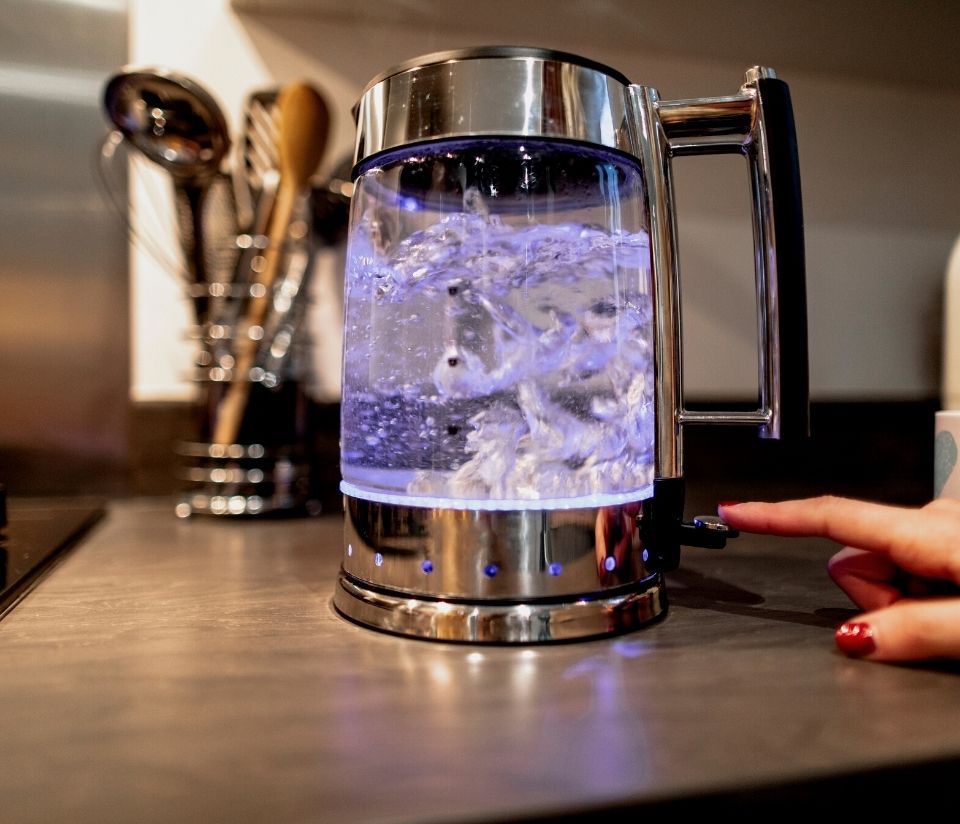
Which Is The Most Eco-Friendly Kettle?
Which kettle brands are the most ethical and sustainable? For the answer, see our Ethical Kettle Ratings Table to compare brands’ ethical scores.
Which Is The Most Eco-Friendly Kettle?
Why should I buy an eco-friendly kettle?
The Good Shopping Guide has been independently researching and rating brands on ethical and sustainability criteria since 2001. Kettles are one of the most used appliances in UK homes, and with over 90% of people using one daily, the cumulative environmental and ethical impact of kettle purchases is significant. Our Ethical Kettle Ratings Table helps consumers identify brands that combine energy efficiency with genuine ethical credentials.
The Brits are a historic nation of tea-drinkers. We can’t get enough of the stuff. Over 90% of people in the UK use a kettle at least once a day, with 40% of people using one 5 times or more! But have you ever considered the ethical impact of your kettle? If your current faithful pot is on its way out, maybe it’s time to invest in an eco-friendly kettle.
Head over to our Ethical Kettles Ratings Table to check the ethics of kettle brands, and the parent company behind it. By choosing a brand in the green section of the table, you can feel confident that you are buying products from a truly ethical business.
How much energy does a kettle use?
You may be surprised to learn that kettles consume a massive amount of energy. According to The Guardian, the average UK household uses more electricity on kettles than ovens, with previous data suggesting that 34% of electricity consumption used in cooking, actually comes from kettles! Another great reason to buy an energy-efficient kettle and ensure you are not wasting energy by using your kettle unnecessarily.
Additionally, when searching for an eco-friendly kettle, it is important to consider the company behind the brand you are purchasing from. Some kettle brands are owned by companies with poor human rights and environmental records, so you’ll want to avoid supporting these brands. Our research assesses brands across Environment, Animals, and People criteria — see our How We Rate page for a full explanation of our methodology.
Our research: The lack of truly eco-friendly kettle brands
Our latest research into kettle brands has revealed the lack of eco-friendly kettles on the market. Unfortunately, there are very few brands in this sector with an ethical focus, with many companies receiving a poor score for their Environmental Report.
Just under half of the companies assessed in our Ethical Kettles Ratings Table achieved a top rating for Environmental Report, with some companies having no report at all! To receive a top rating, companies must demonstrate a commitment to reducing their environmental impact by setting attainable, quantifiable targets for becoming more sustainable. This can include goals for reducing carbon emissions and energy consumption or increasing packaging recyclability. Research by Ethical Consumer found that most electric kettle companies have no publicly available conflict minerals policy — a significant gap given that kettles contain components including copper, tin and other metals that can originate in conflict-affected regions.
Kettle brands and human rights abuses
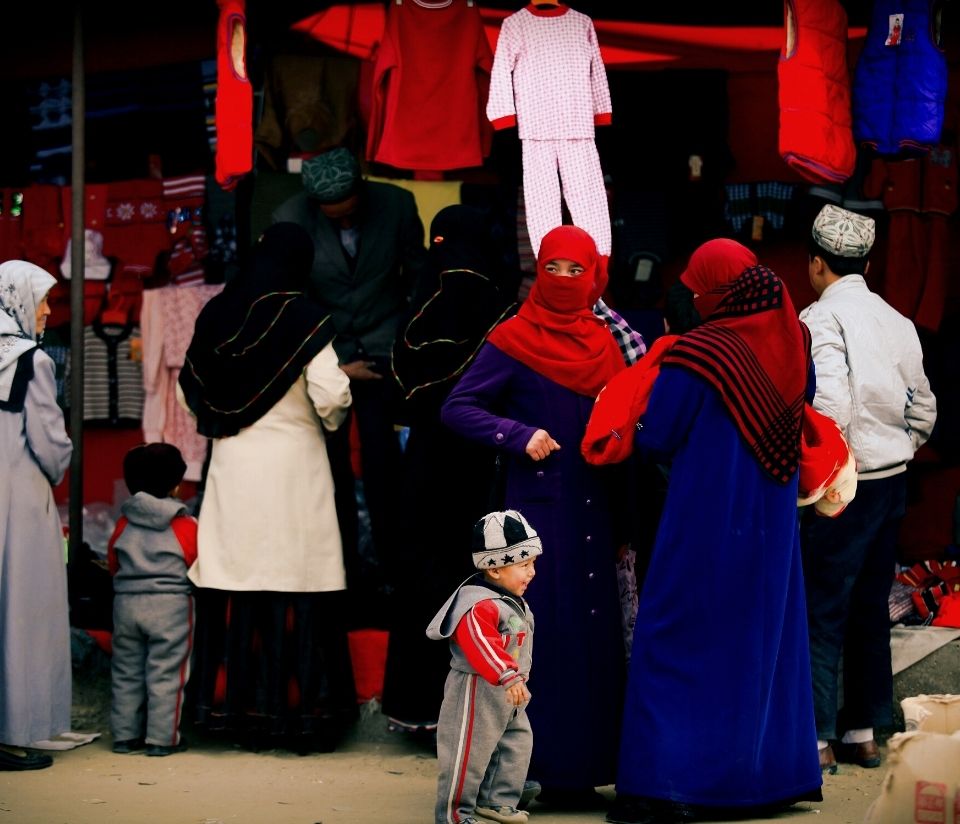
Despite the rise in public interest in ethical and eco-friendly kettle brands, we found that some companies are still involved in human rights abuses within their supply chains. For instance, the Australian Strategic Policy Institute named Robert Bosch GmbH, the parent company of Bosch, as one of the companies profiting from Uyghur forced labour.
In China, more than 80,000 Uyghurs, an ethnic group native to the Xinjiang region, have been sent to detention camps to work for technology, clothing, and automotive brands. The Uyghur people are also experiencing persecution from the Chinese government for their religion and ethnicity. Due to the immorality of profiting from the exploitation of vulnerable peoples, Bosch has been marked down in our Human Rights category.
Longevity, repairability and the sustainable kettle
Most kettles last only two to three years before failing. From an environmental perspective, this is a significant problem: manufacturing a new kettle carries a carbon cost that can outweigh the energy saved by choosing a more efficient model. Choosing a kettle built to last is therefore one of the most sustainable decisions a consumer can make. Brands like Dualit offer kettles with replaceable heating elements — a rare feature in today’s appliance market that can extend a kettle’s life to over a decade. Under the UK’s Right to Repair regulations, manufacturers of domestic appliances are now required to make spare parts available for up to ten years, supporting longer product lifetimes.
When your kettle reaches the end of its life, ensure it is disposed of responsibly via a registered WEEE recycler, as electrical components must be handled safely. Our Ethical Kettle Ratings Table also considers brands’ Ethical Accreditation status — the clearest signal that a brand has had its ethical credentials independently verified.
Our advice: How to buy an eco-friendly kettle
Unfortunately, there are no energy efficiency labels for kettles, so finding an eco-friendly kettle can be tricky. Luckily, there are lots of tips you can use to find an energy-efficient kettle, as well as other things you can do to maximise the energy efficiency in your home.
Firstly, insulated kettles are more energy efficient, as they keep the water hot for a lot longer. This means that when you refill your tea or coffee, the water may still be hot enough and you will not need to re-boil. If you are looking for an energy-efficient kettle, try finding one that is insulated. According to the Energy Saving Trust, avoiding overfilling your kettle can save up to £10 a year on electricity bills — a small change that adds up over time.
As well as buying an energy-efficient kettle, you can become more ethical in your energy consumption in several other ways. Since boiling the kettle wastes a lot of energy, make sure you are not boiling it when you do not need to. Additionally, kettles use up more energy if there is extra water in them, so make sure you only boil the amount of water you need. Try filling up your mug with water from the tap, and then pour that into the kettle to boil the right amount. When comparing models, faster-boiling kettles are generally more energy efficient — Which? notes that fewer than 10% of kettles tested meet their Eco Buy standard, so it is worth checking their ratings before purchasing.
If an insulated kettle is not within budget, consider keeping boiled water in an insulated flask to use throughout the day.
Finally, consider switching to a renewable energy supplier. By sourcing green energy for your home, you will have less reason to worry about your energy consumption. Renewable energy is derived from natural sources and is far more eco-friendly than energy sourced from fossil fuels, which produce high amounts of carbon dioxide. If you are interested in switching to a renewable energy supplier, have a look at our Ethical Electricity Suppliers Ratings Table for the best picks.
Ethical kitchen appliances: the bigger picture
Choosing an ethical kettle is one part of building a more sustainable kitchen. The Good Shopping Guide has been independently rating kitchen appliance brands since 2001. See our Ethical Cookers Ratings Table and Ethical Fridge Freezers Ratings Table to apply the same ethical criteria to your other kitchen purchases. For businesses in the kitchen and home sector that want their ethical credentials independently recognised, find out more about The Good Shopping Guide’s Ethical Accreditation.
See our Ethical Kettle Ratings Table to compare brands’ ethical scores.
Thousands of brands have been investigated by The Good Shopping Guide, and these have been evaluated and rated for their understanding of and concern for the Environment, Animals, and People. Every brand listed on our Ethical Ratings Tables has been examined in an article by The Good Shopping Guide. We have evaluated and analysed the claims made by thousands of brands regarding their business ethics and sustainability certifications. To learn more, click on any brand name.
Dualit, Braun, De’Longhi, Kenwood, Tefal, Philips, Swan, Daewoo, Haden, Morphy Richards, Russell Hobbs, Beko, Breville, KitchenAid, Bosch and Gaggenau.
Why should I buy an eco-friendly kettle?
Britain has a long tradition of tea-drinking — over 90% of people in the UK use a kettle at least once a day, with 40% using one five times or more. But the ethics behind your kettle choice matter as much as its efficiency. By selecting a brand from the green section of our Ethical Kettles Ratings Table, you can feel confident that you are supporting a truly ethical business.
How much energy does a kettle use?
Kettles consume a surprising amount of energy — research suggests that 34% of electricity used in cooking comes from kettles, making them one of the most energy-intensive appliances in the home. When choosing an eco-friendly kettle, it is also worth considering the company behind the brand, as some manufacturers are owned by parent companies with poor human rights and environmental records.
What does your research reveal about the eco-friendly kettle market?
Our research revealed a notable lack of truly eco-friendly kettle brands. Just under half of the companies assessed in our Ethical Kettles Ratings Table achieved a top rating for Environmental Report, with some having no environmental report at all. To achieve a top rating, companies must set attainable, quantifiable sustainability targets, such as goals for reducing carbon emissions or improving packaging recyclability.
Are any kettle brands linked to human rights abuses?
Our research found that some kettle brands are associated with human rights concerns in their supply chains. The Australian Strategic Policy Institute named Robert Bosch GmbH, parent company of Bosch, as one of the companies profiting from Uyghur forced labour in China, where more than 80,000 Uyghurs have been sent to detention camps to work for various brands. As a result, Bosch received a reduced rating in our Human Rights category.
How can I buy the most energy-efficient kettle?
Unlike many appliances, kettles do not carry energy efficiency labels, making eco-friendly choices less straightforward. Insulated kettles are a strong option, as they retain heat for longer and reduce the need to re-boil. Only boiling the amount of water you need also cuts energy consumption significantly. For a broader approach, switching to a renewable energy supplier can further reduce the environmental impact of your kettle use.
Is Dualit an ethical kettle brand?
Dualit sits above the benchmark on The GOOD Shopping Guide’s Kettles Ethical Ratings Table, performing well across most assessed categories, including its Fossil Fuels, Animal Welfare, and Code of Conduct credentials, though it falls short in its Environmental Report. Without Ethical Accreditation, applying for it could provide Dualit with a recognised means of formally demonstrating its commitment to ethical and sustainable business practices.
Is Tefal an ethical kettle brand?
Tefal sits above the benchmark on The GOOD Shopping Guide’s Kettles Ethical Ratings Table, performing well across most assessed categories, including its Environmental Report, Fossil Fuels, and Code of Conduct credentials, though its Other Criticisms rating receives an acceptable rather than top. Without Ethical Accreditation, applying for it could offer Tefal a recognised means of formally validating its commitment to ethical and sustainable practices.
Is Braun an ethical kettle brand?
Braun sits above the benchmark on The GOOD Shopping Guide’s Kettles Ethical Ratings Table, performing well in areas such as its Environmental Report, Fossil Fuels, and Human Rights credentials, though its Code of Conduct and Other Criticisms both receive acceptable rather than top ratings. As a brand without Ethical Accreditation, applying for it could provide a meaningful and recognised way to formally demonstrate its commitment to ethical and sustainable practices.
Is De’Longhi an ethical kettle brand?
De’Longhi sits above the benchmark on The GOOD Shopping Guide’s Kettles Ethical Ratings Table, performing well in areas such as its Environmental Report, Fossil Fuels, and Human Rights credentials, though its Code of Conduct and Other Criticisms both receive acceptable rather than top ratings. Without Ethical Accreditation, applying for it could offer De’Longhi a recognised means of formally demonstrating its commitment to ethical and sustainable business practices.
Is Kenwood an ethical kettle brand?
Kenwood sits above the benchmark on The GOOD Shopping Guide’s Kettles Ethical Ratings Table, performing well in areas such as its Environmental Report, Animal Welfare, and Human Rights credentials, though its Code of Conduct and Other Criticisms both receive acceptable rather than top ratings. As a brand without Ethical Accreditation, applying for it could provide Kenwood with a recognised means of formally validating its commitment to responsible and sustainable business practices.
Is Daewoo an ethical kettle brand?
Daewoo sits at the benchmark on The GOOD Shopping Guide’s Kettles Ethical Ratings Table, performing well in areas such as its Fossil Fuels, Animal Welfare, and Human Rights credentials, though it falls short in both its Environmental Report and Code of Conduct ratings. Without Ethical Accreditation, applying for it could provide Daewoo with a recognised means of formally demonstrating its commitment to ethical and sustainable business practices.
Is Haden an ethical kettle brand?
Haden sits at the benchmark on The GOOD Shopping Guide’s Kettles Ethical Ratings Table, performing well in areas such as its Fossil Fuels, Animal Welfare, and Human Rights credentials, though it falls short in both its Environmental Report and Code of Conduct ratings. Without Ethical Accreditation, applying for it could offer Haden a recognised means of formally demonstrating its commitment to responsible and sustainable business practices.
Is Morphy Richards an ethical kettle brand?
Morphy Richards sits at the benchmark on The GOOD Shopping Guide’s Kettles Ethical Ratings Table, performing well in areas such as its Fossil Fuels, Animal Welfare, and Human Rights credentials, though it falls short in both its Environmental Report and Code of Conduct ratings. As a brand without Ethical Accreditation, applying for it could provide a meaningful way for Morphy Richards to formally demonstrate its commitment to ethical and sustainable practices.
Is Swan an ethical kettle brand?
Swan sits at the benchmark on The GOOD Shopping Guide’s Kettles Ethical Ratings Table, performing well in areas such as its Fossil Fuels, Animal Welfare, and Human Rights credentials, though it falls short in both its Environmental Report and Code of Conduct ratings. Without Ethical Accreditation, applying for it could offer Swan a recognised means of formally validating its commitment to ethical and sustainable business practices.
Is Breville an ethical kettle brand?
Breville falls below the benchmark on The GOOD Shopping Guide’s Kettles Ethical Ratings Table. The brand performs well in areas such as its Environmental Report, Fossil Fuels, and Code of Conduct credentials, though it falls short in its Political Donations rating and has attracted Other Criticisms. Consumers seeking kettle brands that do reach the ethical benchmark can consult The GOOD Shopping Guide’s Kettles Ethical Ratings Table for more responsible alternatives.
Is Philips an ethical kettle brand?
Philips falls below the benchmark on The GOOD Shopping Guide’s Kettles Ethical Ratings Table. The brand performs well in areas such as its Environmental Report, Animal Welfare, and Code of Conduct credentials, though it falls short in its Political Donations rating and has attracted Other Criticisms. Those seeking kettle brands that do meet the ethical benchmark are encouraged to consult The GOOD Shopping Guide’s Kettles Ethical Ratings Table for better-rated alternatives.
Is Bosch an ethical kettle brand?
Bosch falls below the benchmark on The GOOD Shopping Guide’s Kettles Ethical Ratings Table. While its Environmental Report and Code of Conduct both receive top ratings, the brand falls short in its Political Donations and has attracted Other Criticisms, with its Human Rights credentials receiving an acceptable rather than top rating — partly reflecting concerns around Uyghur forced labour in the supply chain. Consumers seeking kettle brands that do reach the ethical benchmark can consult The GOOD Shopping Guide’s Kettles Ethical Ratings Table for more responsible alternatives.
Is Russell Hobbs an ethical kettle brand?
Russell Hobbs falls below the benchmark on The GOOD Shopping Guide’s Kettles Ethical Ratings Table. The brand performs well in areas such as its Fossil Fuels, Animal Welfare, and Human Rights credentials, though it falls short in its Political Donations and has attracted Other Criticisms, with its Environmental Report and Code of Conduct both receiving acceptable rather than top ratings. Shoppers seeking kettle brands that do meet the ethical benchmark can explore The GOOD Shopping Guide’s Kettles Ethical Ratings Table for more responsible options.
Is Beko an ethical kettle brand?
Beko falls below the benchmark on The GOOD Shopping Guide’s Kettles Ethical Ratings Table. The brand falls short in its Fossil Fuels and Armaments ratings, while its Code of Conduct, Human Rights, and Other Criticisms all receive acceptable rather than top, though it performs well in its Environmental Report and Animal Welfare credentials. Those seeking kettle brands that do meet the ethical benchmark are encouraged to consult The GOOD Shopping Guide’s Kettles Ethical Ratings Table for better-rated alternatives.
Is KitchenAid an ethical kettle brand?
KitchenAid falls below the benchmark on The GOOD Shopping Guide’s Kettles Ethical Ratings Table. The brand also falls short in its Fossil Fuels and Armaments ratings, while its Code of Conduct, Human Rights, and Other Criticisms all receive acceptable rather than top, though it performs well in its Environmental Report and Animal Welfare credentials. Consumers seeking kettle brands that do reach the ethical benchmark can consult The GOOD Shopping Guide’s Kettles Ethical Ratings Table for more responsible alternatives.
How does The GOOD Shopping Guide's Ethical Accreditation complement other accreditations?
The GOOD Shopping Guide doesn’t replace existing certifications, it ensures your ethical credentials are clearly recognised so they are trusted by consumers. By appearing in our comparison tables, your brand reaches an audience that is actively seeking genuinely ethical options, while also being referenced by Google and AI search tools to enhance credibility and discoverability.
How is The GOOD Shopping Guide's Ethical Accreditation different from other accreditations?
Unlike many accreditations that focus mainly on compliance or internal audits, The GOOD Shopping Guide provides scored, research-led assessments across environment, people and animals. Our tables are consumer-facing and freely accessible, making it easy for shoppers and AI tools to compare brands based on verified performance, not just promises.
How does The GOOD Shopping Guide choose who is eligible for accreditation?
The GOOD Shopping Guide audits brands for their ethical impact across a variety of criteria in the human, animal and environment categories. We research the records of brands and their parent companies, and rate them across those criteria. If they are found to be above our benchmark, they are eligible to apply for Ethical Accreditation.
How can I apply for Ethical Accreditation?
You can apply for Ethical Accreditation if your brand is assessed as above our benchmark. Click on this link to fill out our online form, and our researchers will assess your brand’s viability for Ethical Accreditation.