Choosing Ethical Crisp Brands
Which Crisp brands are the most ethical and sustainable? For the answer, see our Ethical Crisps Ratings Table to compare brands’ ethical scores.
What is the environmental impact of crisp packaging?
The Good Shopping Guide has been independently researching and rating brands on ethical and sustainability criteria since 2001. The UK crisps and savoury snacks market is worth an estimated £16.8 billion, and it is one of the most consumed food categories in the country. With such widespread consumption, the ethical practices of crisp brands — from packaging and palm oil use to animal welfare and corporate ownership — have a significant cumulative impact.
Brits love crisps. One survey by Lumina Intelligence found that 75% of participants eat crisps at least once a week! Unfortunately, our crisp consumption comes with a heavy price. The Environment, Animals, and People are harmed by unethical crisp brand activity.
Check out our Ethical Crisps Ratings Table and choose the most ethical crisp brands. Make the best ethical choices without having to do the research yourself! Simply look for the brands that appear in the green section of our table. Many of these brands offer sustainable options such as vegan crisps, organic crisps, and plastic-free packaging. For a broader look at how packaging affects ethical scores across all product categories, see our Ethical Packaging comparison table.
Can you recycle crisp packaging?
Most crisp packaging cannot be recycled, and is a single use plastic. A recent Which? study analysed the recyclability of everyday grocery packaging. This study revealed that only 3% of crisp packaging can be recycled through a typical household recycling bin. This makes crisp packaging the least recyclable grocery packaging.
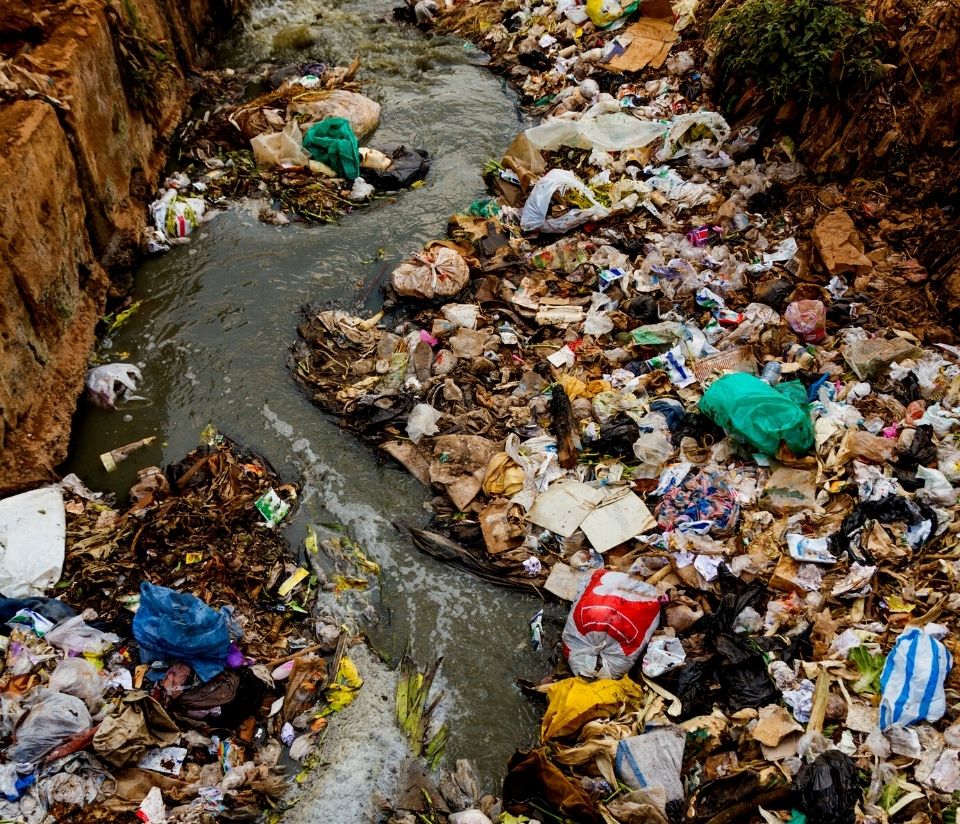
Crisp packaging therefore creates a significant amount of environmental waste. In 2019, a widely reported case found a crisp packet from the 1960s washed up on a beach with virtually no sign of decomposition. The UK Plastics Pact, coordinated by WRAP, brings together businesses, governments and NGOs to work towards making all plastic packaging reusable, recyclable or compostable. Some crisp brands have signed up to this commitment — our Ethical Crisps Ratings Table helps you identify which are making genuine progress.
Are crisps vegan?
The crisp industry also has an impact on animal welfare. Many of the crisps available in the UK are not suitable for vegans or even vegetarians! Some crisps are made with animal-derived or non-vegan flavourings such as meat stock, milk, and whey. This is a problem for consumers who are concerned about foods that cause animal suffering. There are plenty of vegan flavourings available, so why do crisp brands still choose to make their products inaccessible to vegetarians and vegans?
HFSS regulations and the crisps sector
The UK’s food regulation landscape has shifted significantly in recent years, with direct implications for crisp brands. HFSS (High Fat, Salt and Sugar) volume promotion restrictions — such as bans on buy-one-get-one-free deals on crisps — came into force in England in October 2025, with similar rules following in Wales and Scotland. Advertising restrictions for HFSS products across TV and online platforms came into force in January 2026. These changes reflect growing public health pressure on a sector where research has shown that 77% of crisps on UK supermarket shelves still exceed HFSS thresholds. For ethical consumers, these regulations are a reminder that the impact of crisp brands extends beyond packaging and sourcing — the nutritional profile and marketing practices of a brand form part of the broader ethical picture. See how brands compare across all these criteria in our Ethical Crisps Ratings Table.
Our research: unethical crisp brands and the lack of vegan crisps
The Good Shopping Guide’s latest research into the crisp brands reveals some concerning ethical issues.
Firstly, PepsiCo owns many popular crisp brands, such as Walkers, Doritos, and Sensations. PepsiCo is a controversial company that has been criticised for a range of unethical practices. For instance, Greenpeace has named PepsiCo as one of the world’s worst plastic polluters. Given the harmful environmental impact of plastic crisp packaging, avoid brands owned by PepsiCo in the future.
We were also disappointed to see the lack of vegan crisps available in the UK. Only 17% of brands received a top ethical rating for Vegetarian/Vegan, which means that at least one of the brands in the company group has products certified as vegan or vegetarian, such as from The Vegan Society or The Vegetarian Society. Although many crisp brands label their products as vegan or vegetarian friendly, the best way to guarantee that these claims are accurate is through certifications. The growing demand for plant-based and vegan crisps is clear: pulse-based crisps made from chickpeas, lentils, and peas are the fastest-growing segment in the UK snack market, reflecting a broader shift towards ethical, sustainable snacking.
The best ethical options: ethical crisp brands and vegan crisps
So here are some suggestions for more ethical alternatives. There are many crisp brands in our Ethical Crisps Ratings Table who genuinely care about our planet. These crisp brands are actively seeking to address environmental and animal welfare issues, such as the waste from plastic crisp packaging.
For instance, Two Farmers has introduced compostable crisp packaging, which has been certified as Plastic Free. We are pleased to see companies coming up with innovative solutions to important environmental issues and commend Two Farmers for this achievement. Brands that hold Ethical Accreditation from The Good Shopping Guide have had their ethical credentials independently verified, offering consumers the clearest possible signal of responsible practice.
How to find vegan crisps
Purchase vegan crisps to reduce your impact on animal welfare. Finding vegan crisps can be confusing, as there are some vegan crisps labelled as meat flavoured, such as ‘roast chicken’ or ‘BBQ beef’ — this is simply because the taste comes from vegan flavourings, rather than real animals!
Eat Real and Proper Chips are two crisp brands offering a range of vegan crisps for you to try. Both brands received excellent scores within our research, confirming their status as ethical brands. Moreover, Eat Real sells both organic and vegan crisps, so you do not have to choose between the two!
Ethical snacking: the bigger picture
If you are thinking carefully about the ethics of your snack choices, it is worth applying the same scrutiny to other food categories. The Good Shopping Guide has been independently rating food brands since 2001. Our Ethical Biscuits Ratings Table and Ethical Chocolate comparison table apply the same research methodology to other popular snack categories. For businesses in the snack and food sector that want their ethical credentials independently recognised, find out more about The Good Shopping Guide’s Ethical Accreditation.
See our Ethical Crisps Ratings Table to compare brands’ ethical scores.
The Good Shopping Guide has written brand reports with exclusive and extensive research on each company, brand or product that appears on our ratings tables. Click on any brand name to get more information about the ethics of your favourite crisp brands.
Eat Real, Proper Chips, Harvest Snaps, Seabrook, Discos, Golden Wonder, Hippeas, Hula Hoops, McCoy’s, Pom-Bear, Roysters, Skips, Two Farmers, Tyrrell’s, Kettle Chips, Manomasa, Popchips, Cheetos, Doritos, Monster Munch, Pipers, Quavers, Sensations, S.U.N, Walkers, Wotsits Jacob’s and Pringles.
Why should someone think about ethics when buying crisps?
Crisps aren’t just snacks — their production can have ethical and environmental impacts. Key concerns include the use of palm oil (linked to deforestation and habitat loss), genetically modified (GM) ingredients, poor transparency from manufacturers, and how companies behave on issues like sustainability and corporate responsibility. Looking at these factors helps consumers make choices that better align with their values.
How does palm oil affect the ethical rating of crisp brands?
Palm oil is commonly used in crisps for frying and texture, but conventional palm oil production drives deforestation, loss of biodiversity and greenhouse gas emissions in tropical regions. Ethically minded consumers often look for crisps with no palm oil or with responsibly certified palm oil (such as RSPO‑segregated), which helps reduce environmental damage.
What role do organic and non‑GM ingredients play in ethical crisp choices?
Organic and non‑GM ingredients are preferred because they avoid synthetic pesticides and genetic modification, which can harm ecosystems and raise consumer concerns about food integrity. Crisps made with organic potatoes and non‑GM oils generally have lower environmental impact and clearer ethical standards than those relying on intensively farmed crops.
Why do some well‑known crisp brands score poorly on ethical comparisons?
Some mainstream brands score below the ethical benchmark because they use palm oil with unclear or weak sustainability commitments, rely on GM ingredients, and are owned by parent companies with poor public records on environmental or corporate responsibility issues. These gaps in policies and transparency contribute to lower ethical scores.
How can consumers make more ethical choices when buying crisps?
To make more ethical choices, look for crisps made with non‑GM ingredients, palm‑oil‑free recipes, or responsibly certified palm oil. Checking whether a brand publishes sustainability reports and has transparent environmental and social policies also helps. These steps support more sustainable farming and reduce harm to ecosystems linked to mainstream crisp production.
Is Eat Real an ethical crisps brand?
Eat Real sits above the benchmark on The GOOD Shopping Guide’s Crisps Ethical Ratings Table. It performs well in areas such as environmental reporting, vegetarian and vegan verification, and fossil fuels, though it falls short on organic certification and has room for improvement in its genetic modification and palm oil policies. Although it has not yet achieved Ethical Accreditation, doing so could further demonstrate its commitment to ethical and sustainable business practices.
Is Proper Chips an ethical crisps brand?
Proper Chips sits above the benchmark on The GOOD Shopping Guide’s Crisps Ethical Ratings Table and meets the Guide’s ethical criteria as a credible ethical brand. It performs well in areas including environmental reporting, vegan/vegetarian verification and lack of involvement in political donations, armaments, fossil fuels or nuclear power. Although it has no Ethical Accreditation yet, gaining this could further demonstrate its commitment to ethical and sustainable business practices.
Is Hippeas an ethical crisps brand?
Hippeas sits above the benchmark on The GOOD Shopping Guide’s Crisps Ethical Ratings Table, reflecting strong ethical performance in areas such as environmental reporting, organic sourcing, and avoidance of genetic modification, though it has room for improvement in its palm oil and vegetarian and vegan verification policies. It has not yet obtained Ethical Accreditation, and securing this would further demonstrate its commitment to ethical and sustainable business practices.
Is Two Farmers an ethical crisps brand?
Two Farmers sits above the benchmark on The GOOD Shopping Guide’s Crisps Ethical Ratings Table, demonstrating strong ethical performance in areas such as environmental reporting, lack of adverse public record criticisms and recognition as an Ethical Innovator thanks to its compostable and plastic‑free packaging. While it is eligible for Ethical Accreditation, securing this would further demonstrate its commitment to ethical and sustainable business practices.
Is Golden Wonder an ethical crisps brand?
Golden Wonder sits below the benchmark on The GOOD Shopping Guide’s Crisps Ethical Ratings Table. While it performs well in areas such as animal welfare, fossil fuels, and political donations, it falls short in environmental reporting, organic certification, and palm oil criteria. Consumers seeking more ethical alternatives can find brands that meet The GOOD Shopping Guide’s benchmark in the Crisps Ethical Ratings Table.
Is Seabrook an ethical crisps brand?
Seabrook sits above the benchmark on The GOOD Shopping Guide’s Crisps Ethical Ratings Table, performing well in areas like vegetarian/vegan verification, absence of involvement in nuclear power and fossil fuels, and avoiding adverse public records. It has not yet achieved Ethical Accreditation; if it chose to pursue this, it could further demonstrate its commitment to ethical and sustainable business practices.
Is Harvest Snaps an ethical crisps brand?
Harvest Snaps sits above the benchmark on The GOOD Shopping Guide’s Crisps Ethical Ratings Table, showing solid ethical performance in areas such as animal welfare, environmental reporting, and fossil fuels, though its organic and palm oil ratings are weaker. It has not yet achieved Ethical Accreditation; pursuing this could further demonstrate its commitment to ethical and sustainable business practices.
Is McCoy’s an ethical crisps brand?
McCoy’s sits below the benchmark on The GOOD Shopping Guide’s Crisps Ethical Ratings Table, indicating that its overall ethical performance does not yet meet the expected standard. While it performs well in areas such as environmental reporting and animal welfare, it falls short in organic and palm oil criteria. Readers seeking more ethical options can consult the Guide’s table to find brands that reach or exceed the benchmark.
Is Tyrrell’s an ethical crisps brand?
Tyrrell’s sits below the benchmark on The GOOD Shopping Guide’s Crisps Ethical Ratings Table, meaning its overall ethical performance falls short of the expected standard. While it performs well in areas like environmental reporting and avoiding fossil fuels and nuclear power involvement, it scores weakly in organic and related criteria. Readers can consult the Guide’s table to find brands that reach or exceed the benchmark.
Is Discos an ethical crisps brand?
Discos sits below the benchmark on The GOOD Shopping Guide’s Crisps Ethical Ratings Table, indicating its overall ethical performance falls short of the expected standard. It performs well in areas such as environmental reporting and lack of negative public record issues, but it has weak ratings in organic and vegetarian/vegan criteria. Readers can consult the Guide’s table to find brands that reach or exceed the benchmark.
Is Hula Hoops an ethical crisps brand?
Hula Hoops sits below the benchmark on The GOOD Shopping Guide’s Crisps Ethical Ratings Table, showing that its overall ethical performance falls short of the expected standard. While it performs well in areas such as environmental reporting and animal welfare, it has weaker ratings in organic, palm oil, vegetarian/vegan and Ethical Accreditation criteria. Readers can consult the Guide’s table to find brands that reach or exceed the benchmark.
Is Pom‑Bears an ethical crisps brand?
Pom‑Bears sits below the benchmark on The GOOD Shopping Guide’s Crisps Ethical Ratings Table, indicating that its overall ethical performance falls short of the expected standard. While it performs well in areas such as environmental reporting and avoidance of nuclear power and fossil fuel involvement, it has weak ratings in organic certification, vegetarian/vegan criteria and Ethical Accreditation. Readers can consult the Guide’s table to find brands that reach or exceed the benchmark.
Is Popchips an ethical crisps brand?
Popchips sits below the benchmark on The GOOD Shopping Guide’s Crisps Ethical Ratings Table, meaning its overall ethical performance falls short of the expected standard. It performs well in areas such as environmental reporting and lack of adverse public record issues, but it scores weakly in organic and palm oil criteria. Readers can consult the Guide’s table to find brands that reach or exceed the benchmark.
Is Roysters an ethical crisps brand?
Roysters sits below the benchmark on The GOOD Shopping Guide’s Crisps Ethical Ratings Table, indicating that its overall ethical performance falls short of the expected standard. It performs well in areas such as environmental reporting and animal welfare, but it has weaker ratings in organic and vegetarian/vegan criteria and lacks Ethical Accreditation. Readers can consult the Guide’s table to find brands that reach or exceed the benchmark.
Is Skips an ethical crisps brand?
Skips sits below the benchmark on The GOOD Shopping Guide’s Crisps Ethical Ratings Table, meaning its overall ethical performance falls short of the expected standard. It performs well in areas such as environmental reporting and absence of animal welfare issues, but it scores poorly in organic and vegetarian/vegan criteria and lacks Ethical Accreditation. Readers can consult the Guide’s table to find brands that reach or exceed the benchmark.
Is Jacob's an ethical crisps brand?
Jacob’s sits below the benchmark on The GOOD Shopping Guide’s Crisps Ethical Ratings Table. While the brand performs well in environmental reporting, genetic modification, and animal welfare, it falls short on organic certification, palm oil, vegetarian and vegan verification, and has attracted public record criticisms. Consumers seeking more ethical alternatives can find brands that meet The GOOD Shopping Guide’s benchmark in the Crisps Ethical Ratings Table.
Is Burts an ethical crisps brand?
Burts sits below the benchmark on The GOOD Shopping Guide’s Crisps Ethical Ratings Table. While the brand performs well in environmental reporting and animal welfare, and holds Ethical Innovator Status, it falls short across several areas including fossil fuels, organic certification, palm oil, armaments, and political donations. Consumers seeking brands that meet The GOOD Shopping Guide’s ethical benchmark can find more responsible alternatives in the Crisps Ethical Ratings Table.
Is Kettle Chips an ethical crisps brand?
Kettle Chips sits below the benchmark on The GOOD Shopping Guide’s Crisps Ethical Ratings Table, meaning its overall ethical performance does not yet meet the expected standard. While it performs adequately in environmental reporting and animal welfare, it scores poorly in fossil fuels, palm oil, organic certification, armaments, irresponsible marketing, and political donations, and lacks Ethical Accreditation. Consumers can consult the Guide’s table to find brands that reach or exceed the benchmark.
Is Manomasa an ethical crisps brand?
Manomasa sits below the benchmark on The GOOD Shopping Guide’s Crisps Ethical Ratings Table, meaning its overall ethical performance falls short of the expected standard. While it performs adequately in environmental reporting and animal welfare, it scores poorly in fossil fuels, palm oil, organic certification, armaments, irresponsible marketing, and political donations, and lacks Ethical Accreditation. Consumers can consult the Guide’s table to find brands that reach or exceed the benchmark.
Is S.U.N an ethical crisps brand?
S.U.N sits below the benchmark on The GOOD Shopping Guide’s Crisps Ethical Ratings Table. While the brand performs well in environmental reporting and fossil fuels, it falls short in genetic modification, organic certification, palm oil, animal welfare, irresponsible marketing, and political donations, and has attracted public record criticisms. Consumers seeking more responsible alternatives can find brands that meet The GOOD Shopping Guide’s benchmark in the Crisps Ethical Ratings Table.
Is Pipers an ethical crisps brand?
Pipers sits below the benchmark on The GOOD Shopping Guide’s Crisps Ethical Ratings Table, indicating its overall ethical performance falls short of expected standards. It performs well in areas such as vegetarian/vegan verification, but falls short in genetic modification, organic, animal welfare, political donations and public record criteria. Readers can consult the Guide’s table to find brands that reach or exceed the benchmark.
Is Pringles an ethical crisps brand?
Pringles sits below the benchmark on The GOOD Shopping Guide’s Crisps Ethical Ratings Table, meaning its overall ethical performance falls short of the expected standard. Although it performs well in areas such as animal welfare and avoiding involvement with nuclear power and fossil fuels, it has weaker ratings in organic, vegetarian/vegan and other key ethical criteria, and it is not eligible for Ethical Accreditation. Readers can consult the Guide’s table to find brands that reach or exceed the benchmark.
Is Walkers an ethical crisps brand?
Walkers sits below the benchmark on The GOOD Shopping Guide’s Crisps Ethical Ratings Table, indicating its overall ethical performance falls short of the expected standard. The brand performs well in areas such as environmental reporting and avoidance of nuclear power and fossil fuels, but falls short in genetic modification policy, organic criteria, animal welfare, political donations and Ethical Accreditation. Readers can consult the Guide’s table to find brands that reach or exceed the benchmark.
Is Doritos an ethical crisps brand?
Doritos sits below the benchmark on The GOOD Shopping Guide’s Crisps Ethical Ratings Table, meaning its overall ethical performance falls short of the expected standard. While it performs well in areas such as environmental reporting and avoiding involvement with nuclear power and fossil fuels, it scores poorly in genetic modification policy, animal welfare, political donations and lacks Ethical Accreditation. Readers can consult the Guide’s table to find brands that reach or exceed the benchmark.
Is Sensations an ethical crisps brand?
Sensations sits below the benchmark on The GOOD Shopping Guide’s Crisps Ethical Ratings Table, showing its overall ethical performance falls short of the expected standard. While it performs well in avoiding involvement with fossil fuels, nuclear power and armaments, it scores poorly in areas such as genetic modification policy, organic criteria, animal welfare, political donations and lacks Ethical Accreditation. Readers can consult the Guide’s table to find brands that reach or exceed the benchmark.
Is Wotsits an ethical crisps brand?
Wotsits sits below the benchmark on The GOOD Shopping Guide’s Crisps Ethical Ratings Table, indicating its overall ethical performance falls short of the expected standard. While it performs well in areas such as environmental reporting and avoiding involvement with fossil fuels and nuclear power, it has weak ratings in organic, genetic modification, animal welfare and political donations and is not eligible for Ethical Accreditation. Readers can consult the Guide’s table to find brands that reach or exceed the benchmark.
Is Cheetos an ethical crisps brand?
Cheetos sits below the benchmark on The GOOD Shopping Guide’s Crisps Ethical Ratings Table, indicating its overall ethical performance falls short of the expected standard. Although it performs well in areas such as environmental reporting and avoidance of involvement with fossil fuels and nuclear power, it has weaker ratings in genetic modification policy, animal welfare and other key ethical criteria, and it is not eligible for Ethical Accreditation. Readers can consult the Guide’s table to find brands that reach or exceed the benchmark.
Is Monster Munch an ethical crisps brand?
Monster Munch sits below the benchmark on The GOOD Shopping Guide’s Crisps Ethical Ratings Table, meaning its overall ethical performance falls short of the expected standard. While it performs well in areas such as environmental reporting and avoiding involvement with nuclear power and fossil fuels, it scores weakly in organic, genetic modification, animal welfare and other key ethical criteria and is not eligible for Ethical Accreditation. Readers can consult the Guide’s table to find brands that reach or exceed the benchmark.
Is Quavers an ethical crisps brand?
Quavers sits below the benchmark on The GOOD Shopping Guide’s Crisps Ethical Ratings Table, meaning its overall ethical performance falls short of the expected standard. While it performs well in areas such as environmental reporting and avoidance of nuclear power and fossil fuels, it has weak ratings in genetic modification policy, organic criteria, animal welfare and political donations and lacks Ethical Accreditation. Readers can consult the Guide’s table to find brands that reach or exceed the benchmark.
How does The GOOD Shopping Guide's Ethical Accreditation complement other accreditations?
The GOOD Shopping Guide doesn’t replace existing certifications, it ensures your ethical credentials are clearly recognised so they are trusted by consumers. By appearing in our comparison tables, your brand reaches an audience that is actively seeking genuinely ethical options, while also being referenced by Google and AI search tools to enhance credibility and discoverability.
How is The GOOD Shopping Guide's Ethical Accreditation different from other accreditations?
Unlike many accreditations that focus mainly on compliance or internal audits, The GOOD Shopping Guide provides scored, research-led assessments across environment, people and animals. Our tables are consumer-facing and freely accessible, making it easy for shoppers and AI tools to compare brands based on verified performance, not just promises.
How does The GOOD Shopping Guide choose who is eligible for accreditation?
The GOOD Shopping Guide audits brands for their ethical impact across a variety of criteria in the human, animal and environment categories. We research the records of brands and their parent companies, and rate them across those criteria. If they are found to be above our benchmark, they are eligible to apply for Ethical Accreditation.
How can I apply for Ethical Accreditation?
You can apply for Ethical Accreditation if your brand is assessed as above our benchmark. Click on this link to fill out our online form, and our researchers will assess your brand’s viability for Ethical Accreditation.